
Brick Pointing Manhattan
Open joints, crumbling mortar and leaks behind the brick start small and get expensive fast. Our licensed and insured crews provide brick pointing in Manhattan for brownstones, co-ops, condos and commercial buildings, cutting out failing mortar, matching new mortar to your brick and tooling every joint by hand so your walls stay tight against city weather for decades.
- Licensed and Insured
- Residential and Commercial
- Mortar Matched to Your Brick
- Free Estimates
What Brick Pointing Is and Why Manhattan Buildings Need It
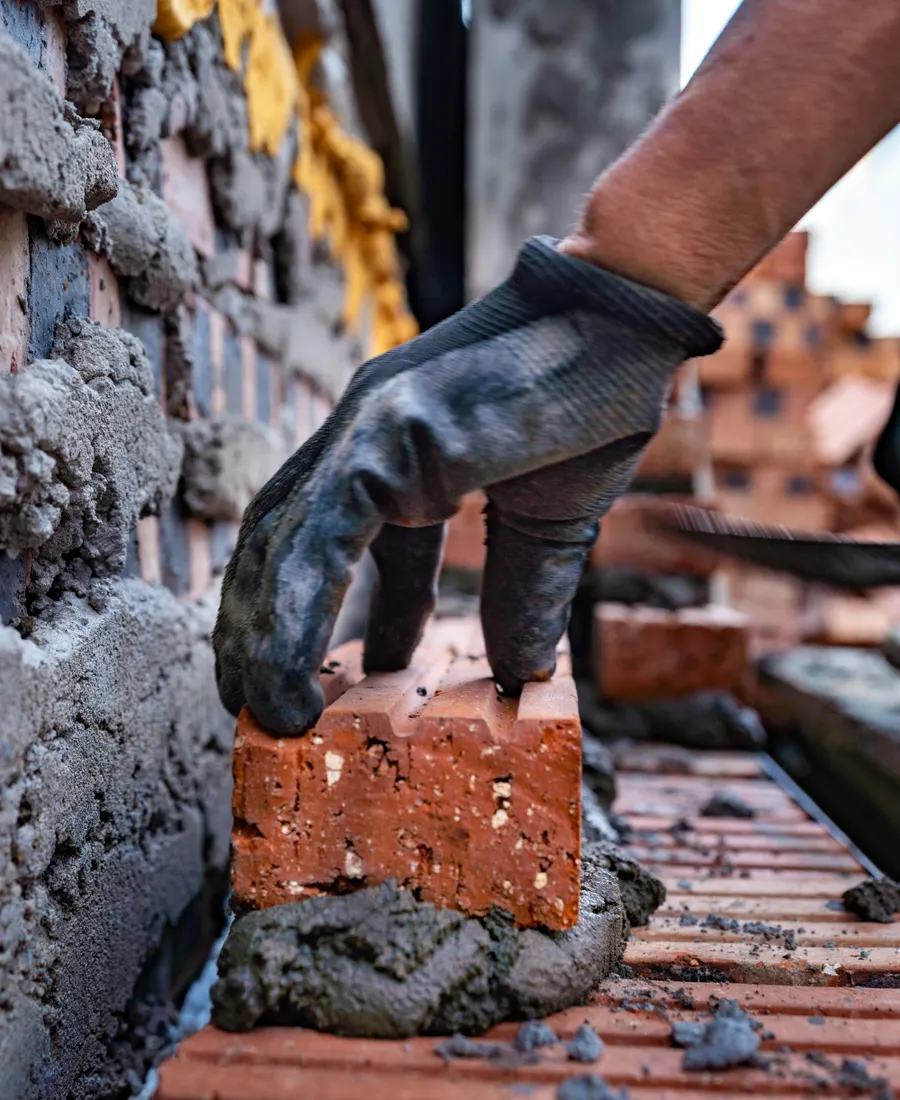
Brick pointing is the repair of the mortar joints between bricks. Worn or cracked mortar is raked out to a sound depth and replaced with fresh mortar that matches the original in strength, color and texture, while the bricks stay in place.
In Manhattan, many brick buildings are more than a century old and deal with freeze and thaw cycles, strong wind at height and road salt every winter. Sound mortar joints keep water out of the wall, hold the bricks in place and protect the steel and wood inside. Once joints open up, water gets in, freezes and pushes bricks apart, which turns a simple pointing job into brick replacement.
25+ YearsHow long well done pointing typically lasts before the joints need attention again
Above 40°FMortar needs mild temperatures to cure, so most exterior pointing in Manhattan runs from spring through fall
Softer Than BrickNew mortar should always be softer than the brick so the joint wears instead of the brick face
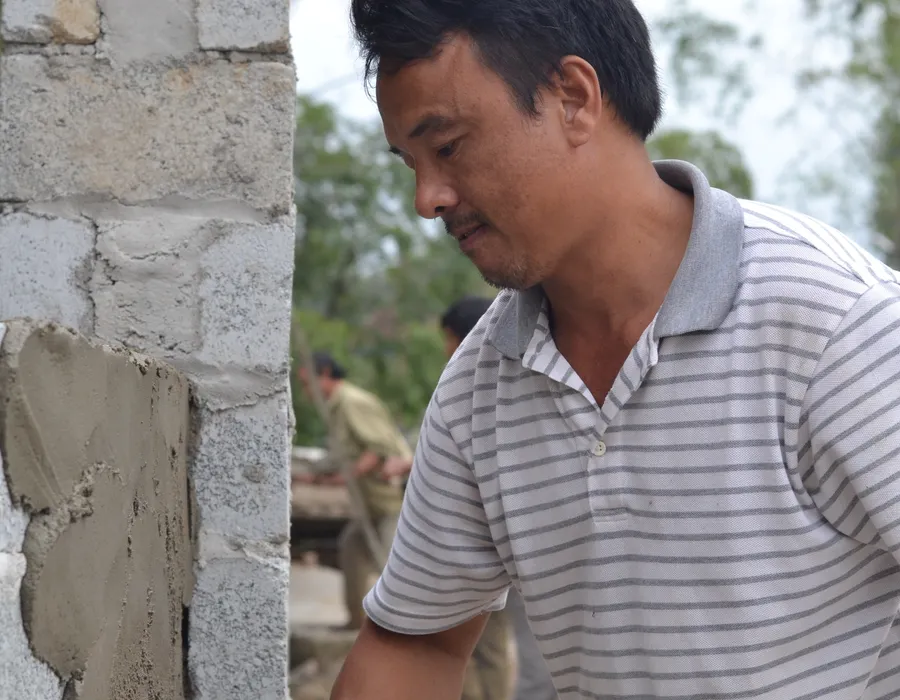
A Brick Pointing Contractor That Knows Manhattan Buildings
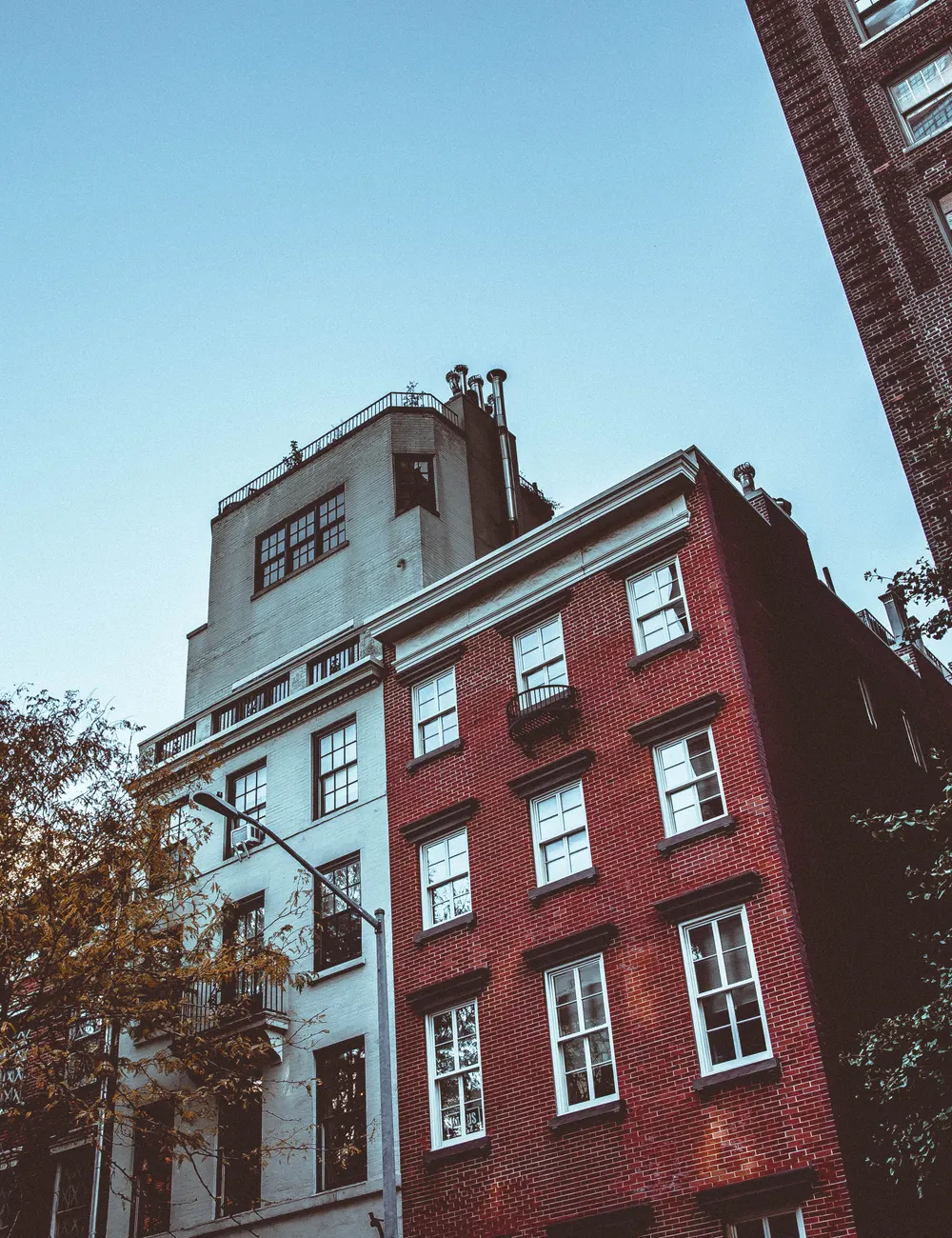
We work only in Manhattan, so our crews know the difference between a Harlem brownstone, a Lower East Side tenement and a Midtown office building before the first ladder goes up. Each one was built with different brick, different mortar and different details, and each one needs pointing done its own way.
From a short run of failing joints under a window to full elevations on a mid-rise co-op, every job is handled by a licensed and insured contractor that takes care of access, protection and cleanup from start to finish. Owners, co-op and condo boards, managing agents and commercial landlords all get the same thing from our brick pointing company, which is an honest scope, careful work and walls that stay sound.
- Licensed and insured crews
- Mortar matched to the original
- Clean, protected job sites
- Clear written scope before work starts
Brick Pointing and Masonry Services in Manhattan
Pointing is often the first repair a brick wall needs, but it is rarely the only one. These are the Manhattan brick pointing services and masonry repairs we provide for brick and stone buildings across the borough.
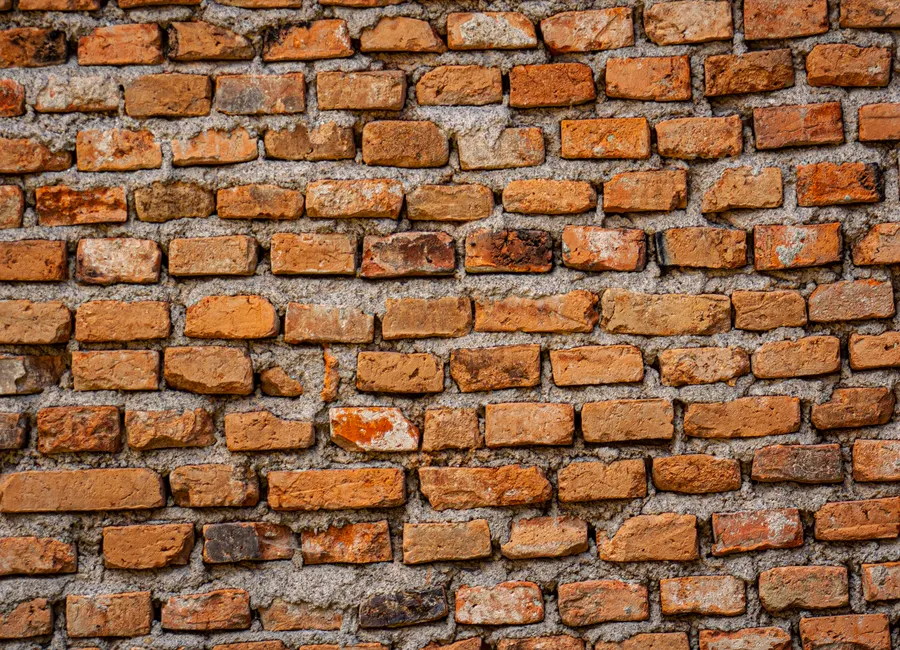
Two-tone joints and fine ribbon lines that bring back the crisp look of historic brickwork.
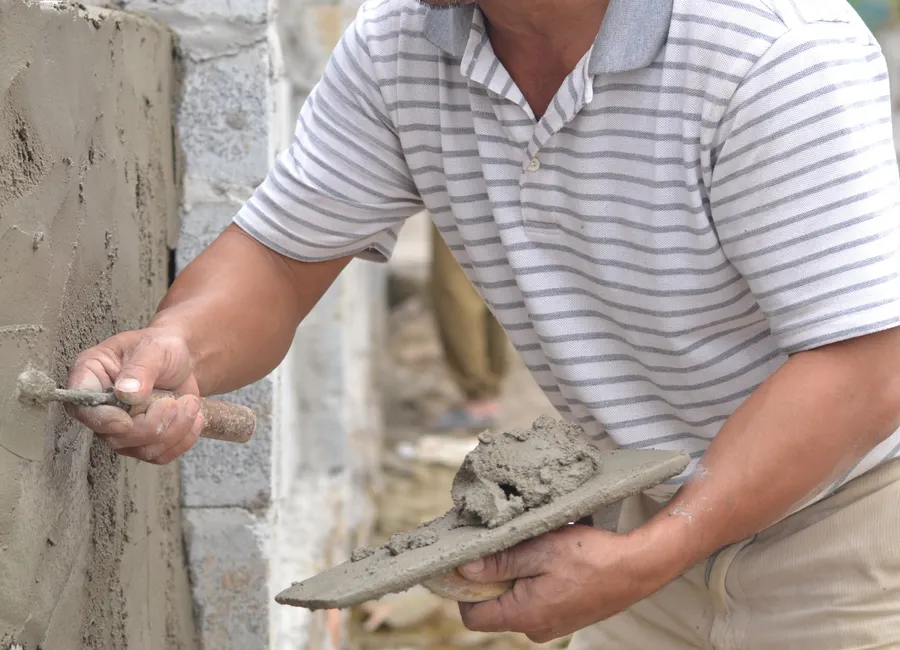
Full removal and replacement of failing mortar across a wall or an entire elevation.
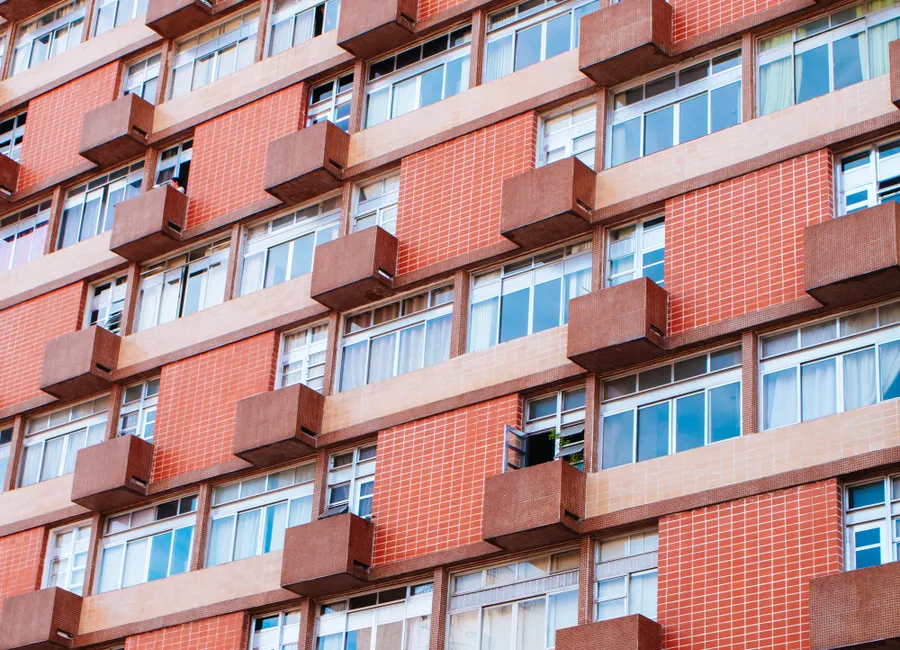
A fast surface seal for small areas of open joints while a larger repair is planned.
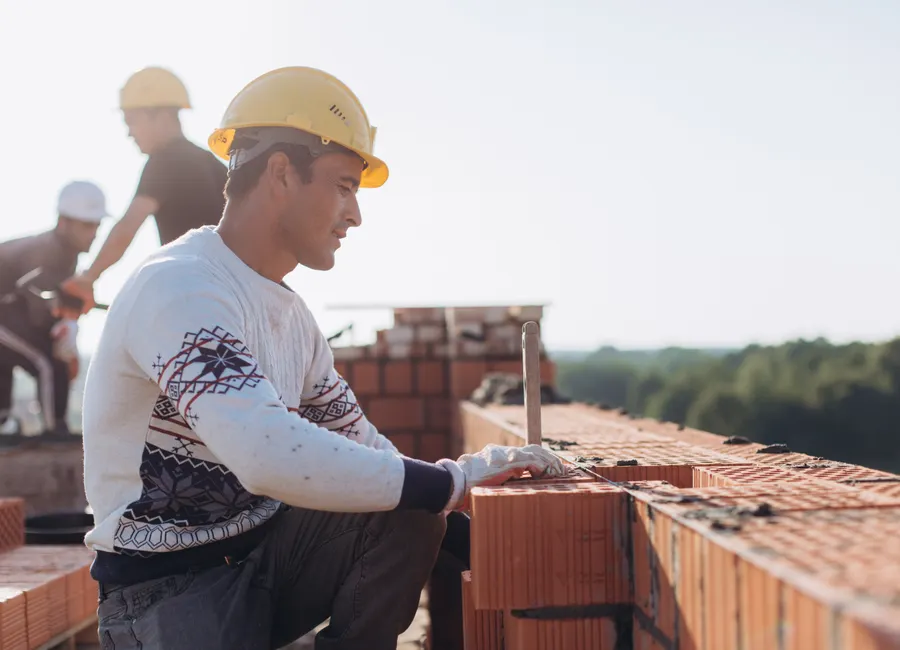
Spalled, cracked and loose bricks replaced with units matched in size and color.
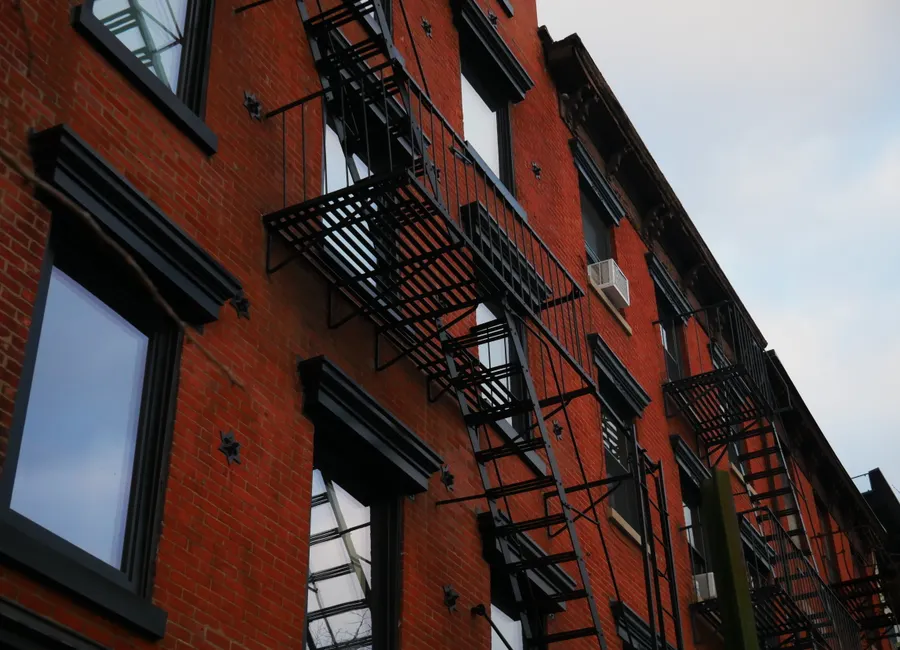
Gentle cleaning, paint removal and detail work that brings tired brick back to life.
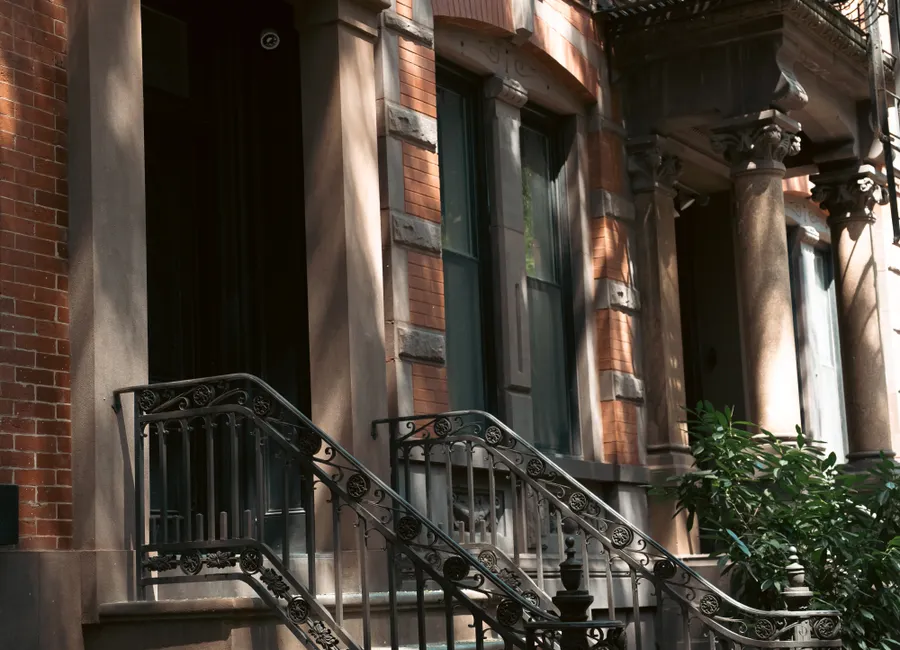
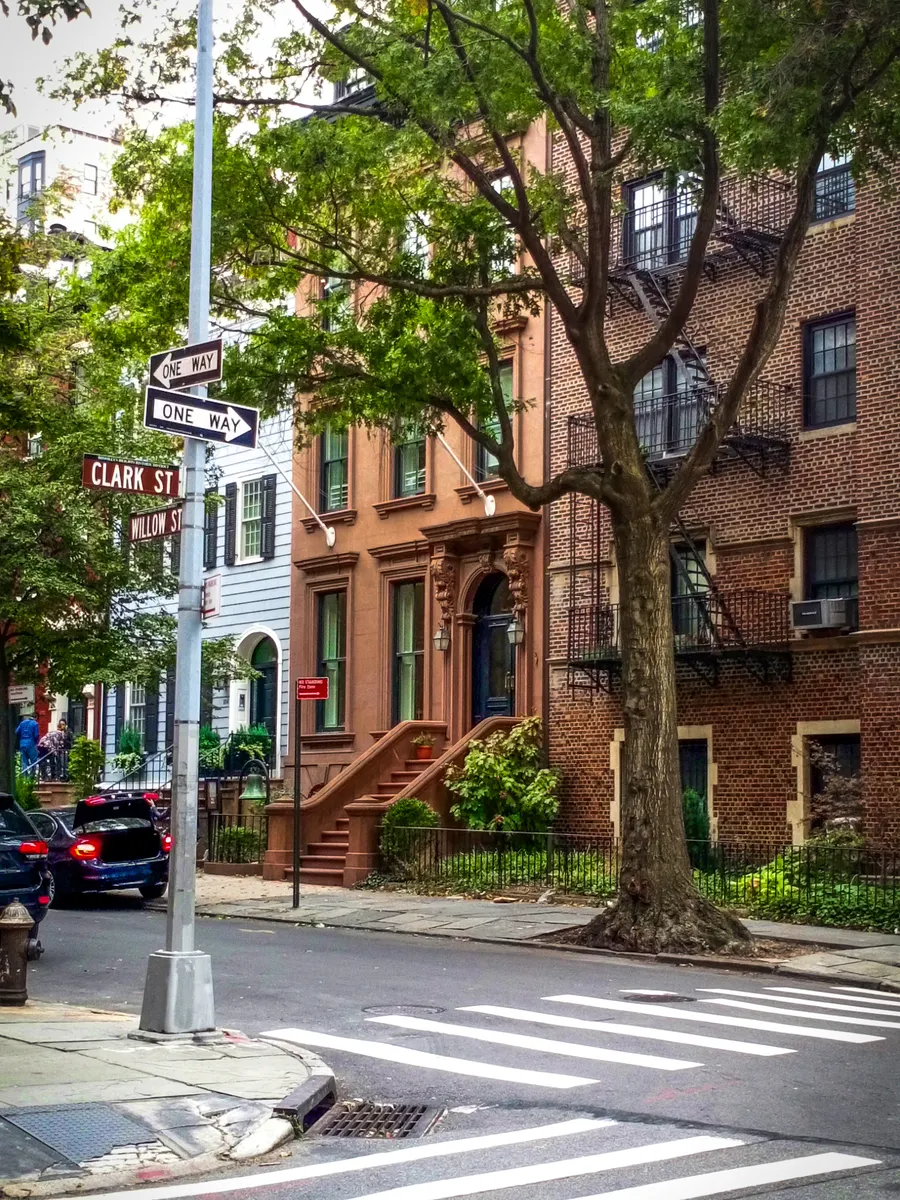
Patching, refacing and stoop work for brownstone townhouses and row houses.
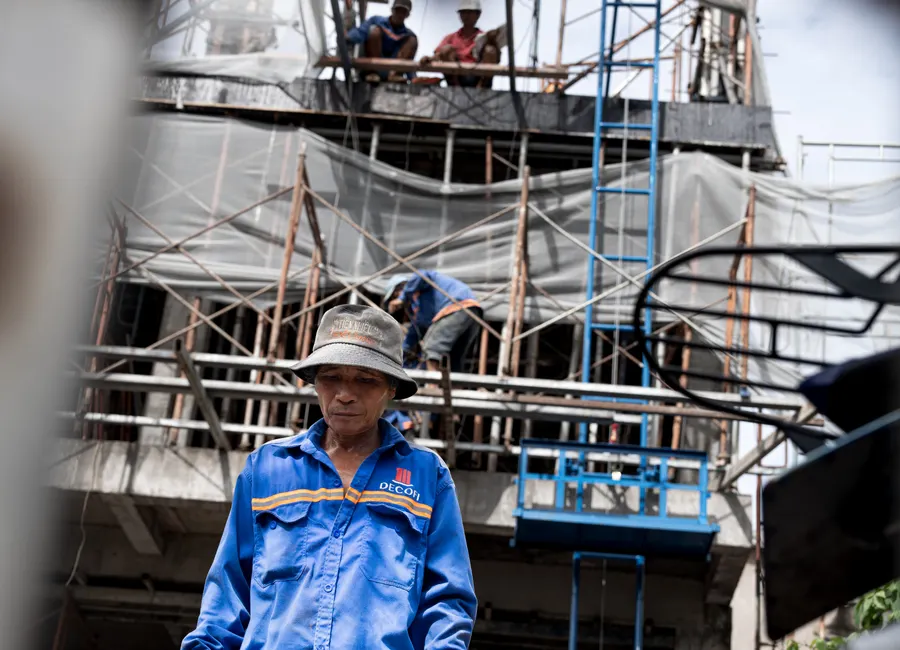
Brick facade repairs for unsafe and SWARMP conditions found during FISP inspections.
Repointing, rebuilding and coping work for the roof edge walls that take the worst weather.
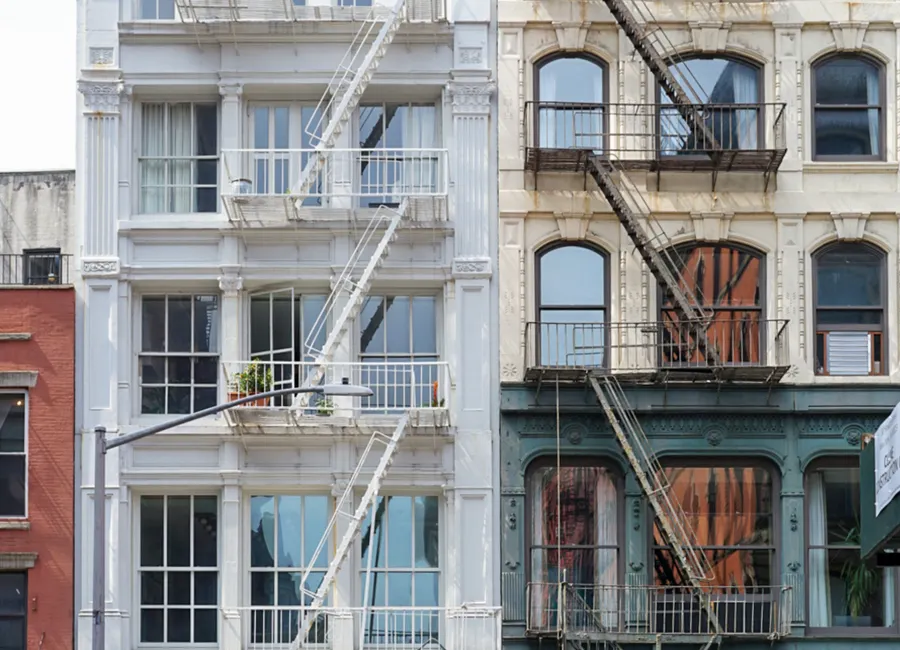
Rusted steel lintels replaced and the brick above windows rebuilt and flashed.
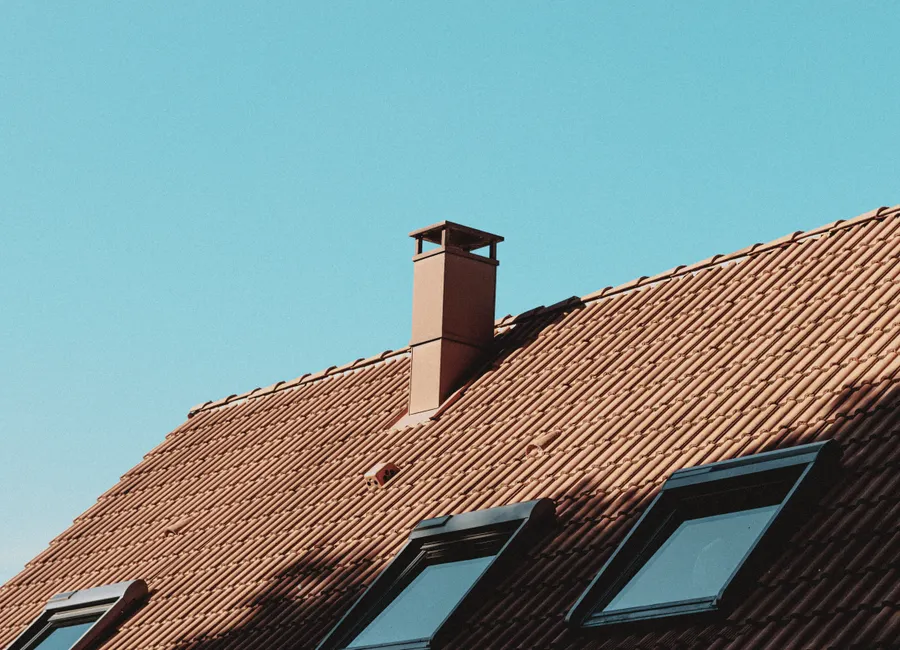
Chimney pointing, crown repair and full rebuilds for townhouses and walk-ups.
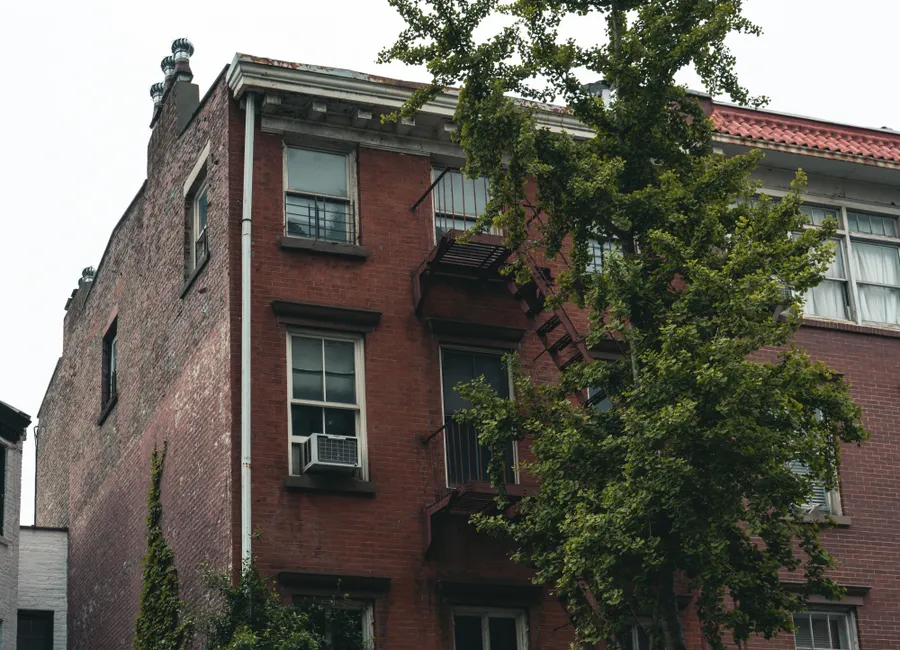
Leak tracing, flashing repairs and breathable sealers that keep water out of brick walls.
See how we handle brickwork and masonry for every kind of Manhattan building.
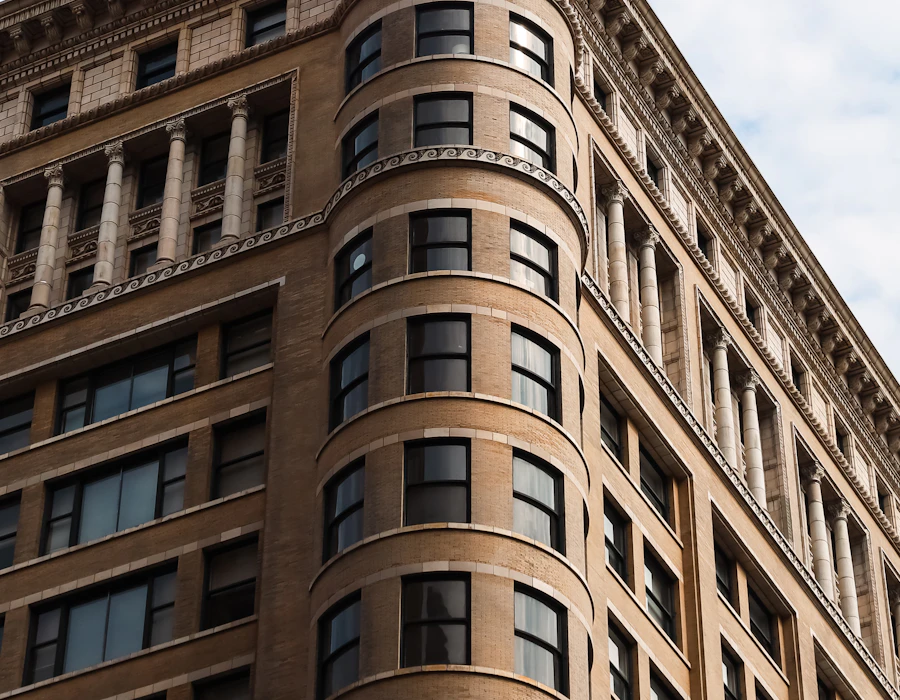
Patching, dutchman inserts, pinning and replacement for limestone, granite, marble, cast stone and terra cotta fronts.
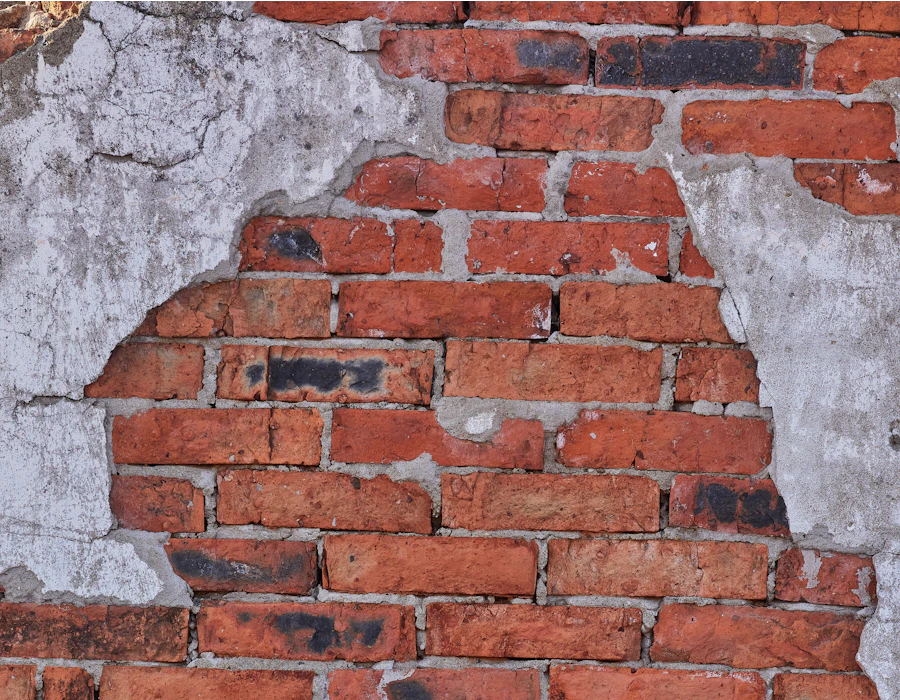
Fast make-safe work when brick, stone or cornice pieces come loose over the sidewalk, plus DOB order support.
Residential and Commercial Brick Pointing Across Manhattan
Residential Brick Pointing Manhattan
Brownstones, townhouses, walk-ups and small apartment buildings. We work around tenants and neighbors, protect stoops, gardens, skylights and windows, and leave the block clean at the end of every day. Homeowners get a clear scope, a fixed plan for each wall and a crew that treats the home with respect.
Commercial Brick Pointing Manhattan
Co-ops, condos, rental buildings, offices, retail and mixed-use properties. We coordinate with boards and managing agents, provide certificates of insurance, plan sidewalk sheds and scaffolds and schedule pointing elevation by elevation so residents, tenants and storefronts keep running while the walls get fixed.
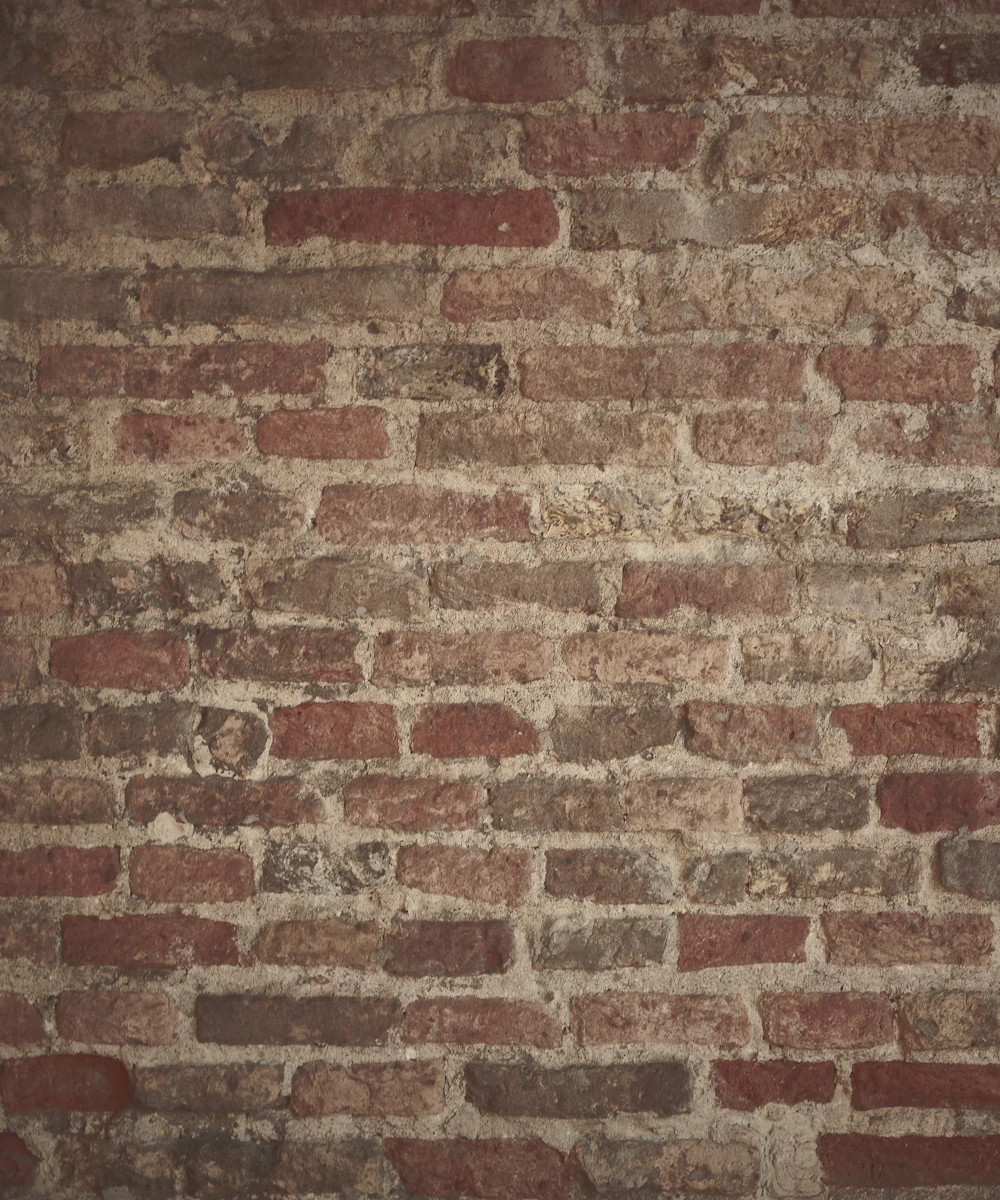
Signs Your Manhattan Brick Walls Need Pointing
Mortar breaks down quietly. By the time water shows up inside an apartment, the joints outside have usually been open for years. Walk around your building, look up at the parapet and chimney, and check for these.
- Joints sitting back behind the face of the brick or missing in spots
- Mortar that turns to sand when you scratch it with a key
- Hairline or step cracks running through the joints
- White salt stains, damp patches or peeling paint on inside walls
- Loose bricks around windows, parapets and chimneys
If you notice more than one of these, have the wall looked at before the next winter. Freeze and thaw cycles widen open joints fast.
Brick Pointing for Every Type of Manhattan Building
Manhattan’s brick buildings span more than a century of construction methods. The right mortar, tools and access change with each one.
Brownstones and Townhouses
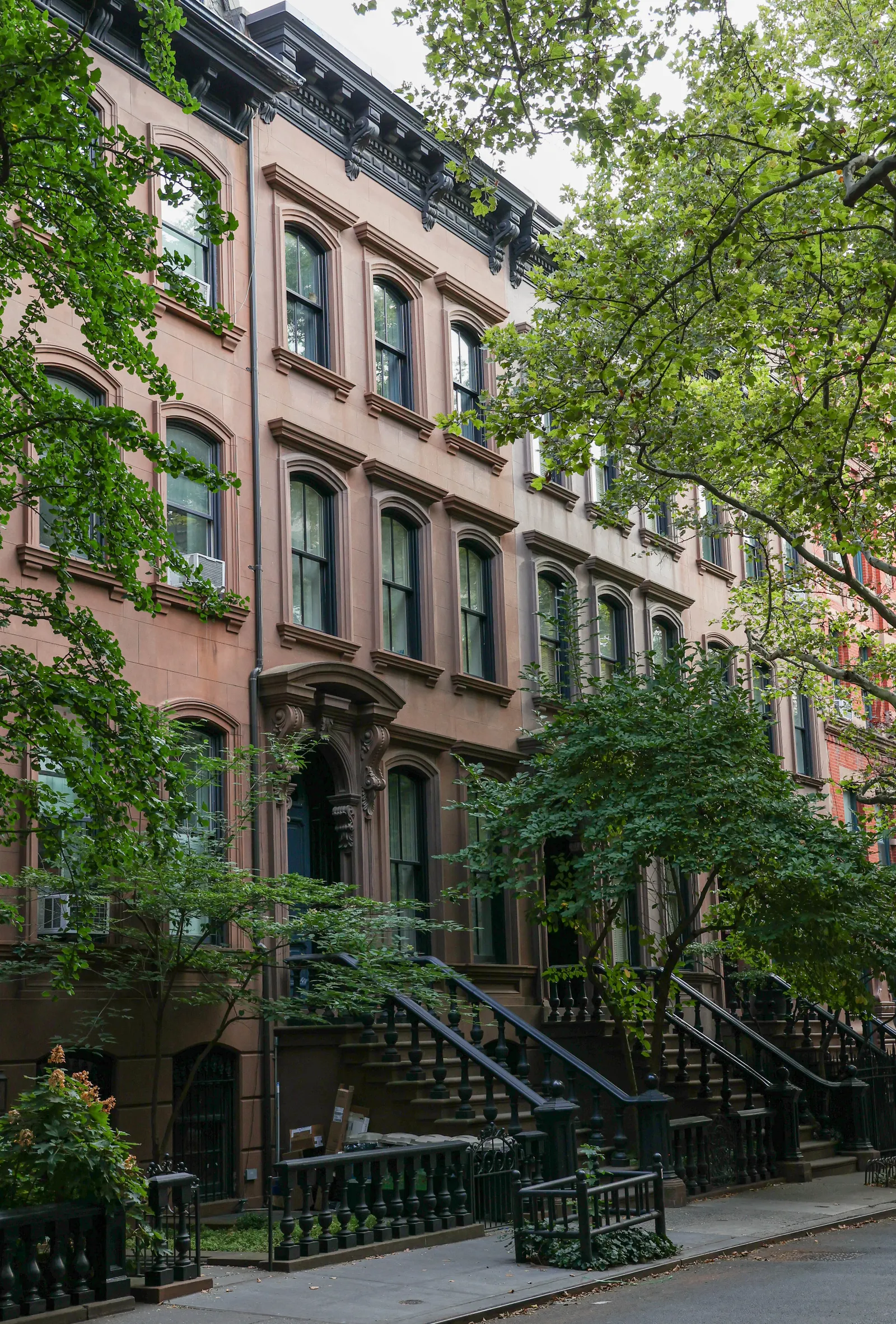
Brick side and rear walls, chimneys and parapets on row houses from the Upper West Side to Harlem.
Pre-War Walk-Ups
Five and six story tenement buildings in the East Village, Lower East Side and Washington Heights with decades of patchwork to sort out.
Co-ops and Condos
Mid-rise and high-rise residential buildings where boards need clear scopes, schedules and insurance paperwork.
Office and Mixed-Use Buildings
Brick clad offices and mixed-use buildings in Midtown, Chelsea and the Financial District that cannot shut down for repairs.
Loft and Cast-Iron District Buildings
Brick side walls and rear elevations on the converted lofts of SoHo and Tribeca.
Landmark and Historic District Buildings
Work planned around Landmarks Preservation Commission rules, with lime-rich mortar and joint profiles matched to the original.
How Our Brick Pointing Process Works
Every job follows the same careful sequence, whether we are pointing a single chimney or a full building elevation.
Walk-Through and Scope
We look at the wall up close, mark where joints have failed and explain what needs pointing now and what can wait.
Mortar Matching
We sample the existing mortar and match its strength, color and sand so new joints blend in and never end up harder than the brick.
Careful Joint Removal
Failing mortar is cut out to a sound depth with tools sized to the joint, without chipping the edges of the brick.
Pointing and Tooling
Fresh mortar is packed into the joints in layers and tooled to the same profile as the rest of the wall.
Curing and Cleanup
New joints are kept damp and protected while they cure, and the wall, windows and sidewalk are cleaned before we leave.
Want the technical details? Read how our brick repointing Manhattan method works.
Scaffolding, Permits and Landmark Approvals for Brick Pointing in Manhattan
In Manhattan, getting to the wall is often half the job. We plan the right access for each building and handle the paperwork that comes with it, so owners are not left chasing approvals.
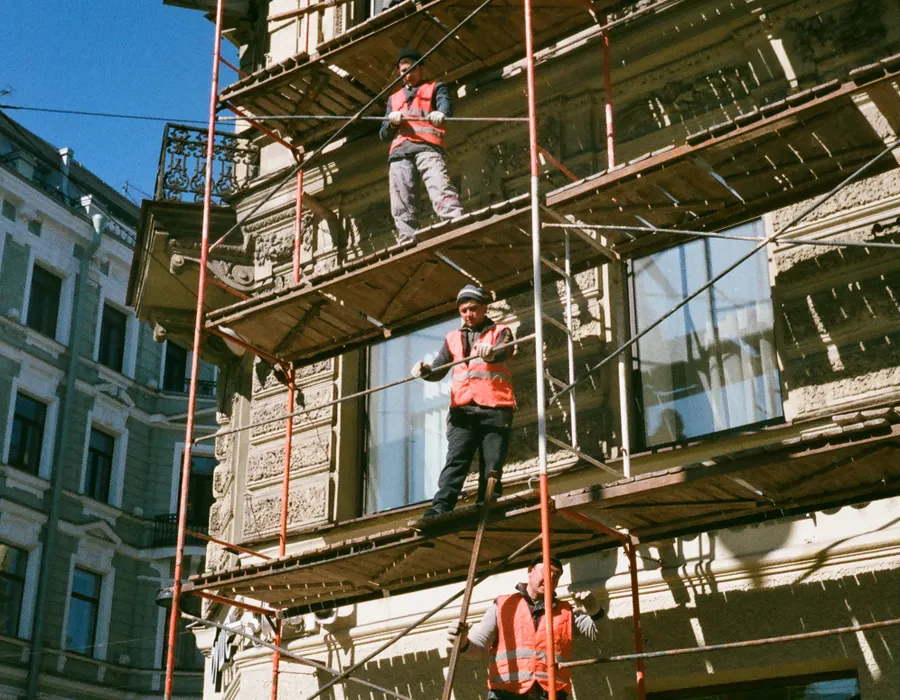
Sidewalk Sheds and Pipe Scaffolding
Installed with the DOB permits they require and planned to keep sidewalks, entrances and storefronts open.
Swing Stages and Rope Access
Used on tall elevations, light wells and courtyards where a full scaffold would cost more than it should.
Landmarks Preservation Commission
Applications, mortar samples and photos prepared for buildings in historic districts or with individual landmark status.
FISP and Local Law 11 Coordination
Pointing scoped to match your QEWI's report so masonry repairs line up with your facade filing.
Brick Pointing vs Repointing vs Tuckpointing vs Flash Pointing
These terms get mixed up all the time, even by contractors. Here is how they differ and when each one makes sense for a Manhattan building.
| Method | What It Means | Best For |
|---|---|---|
| Brick Pointing | The general term for repairing the mortar joints between bricks | Any brick wall with worn, cracked or open joints |
| Repointing | Cutting old mortar out to a sound depth and refilling the joints with new mortar | Walls with widespread mortar failure |
| Tuckpointing | Repointing with mortar colored to the brick plus a thin contrasting line for a sharp finish | Historic and decorative brickwork |
| Flash Pointing | Filling only the surface of open joints without deep removal | Small areas and short-term protection |
In short, pointing is the umbrella term, repointing is the thorough version, tuckpointing adds a decorative finish and flash pointing is a quick surface fix.
Why Manhattan Owners Choose Brick Pointing Manhattan
Manhattan Only
Every job we take is here, so we know the buildings, the blocks, the parking and the rules.
Licensed and Insured
Work is done by a licensed and insured contractor, with certificates ready for boards and managing agents.
Mortar That Fits the Building
We match mortar to the brick instead of using the same bagged mix on every wall.
Honest Scopes
We tell you what needs work now, what can wait and what does not need us at all.
Clean, Protected Job Sites
Windows, stoops, roofs and sidewalks are covered during work and cleaned every day.
Residential and Commercial Experience
From a one-family townhouse to a full-block co-op, the crew and process scale to the building.
Brick Pointing Throughout Manhattan Neighborhoods
We serve the whole island, from the Battery to Inwood, and we know a Greenwich Village row house and an Upper East Side co-op are very different jobs. We take on brick pointing in these neighborhoods and everywhere in between.
- Upper East Side
- Upper West Side
- Harlem
- East Harlem
- Morningside Heights
- Washington Heights
- Inwood
- Midtown
- Hell’s Kitchen
- Chelsea
- Murray Hill
- Gramercy
- Greenwich Village
- West Village
- East Village
- SoHo
- Tribeca
- Lower East Side
- Financial District
- Battery Park City
If you have been searching for brick pointing in NYC and your building is in Manhattan, you are in the right place. Our crews stay in the borough, which keeps scheduling simple and response times short.
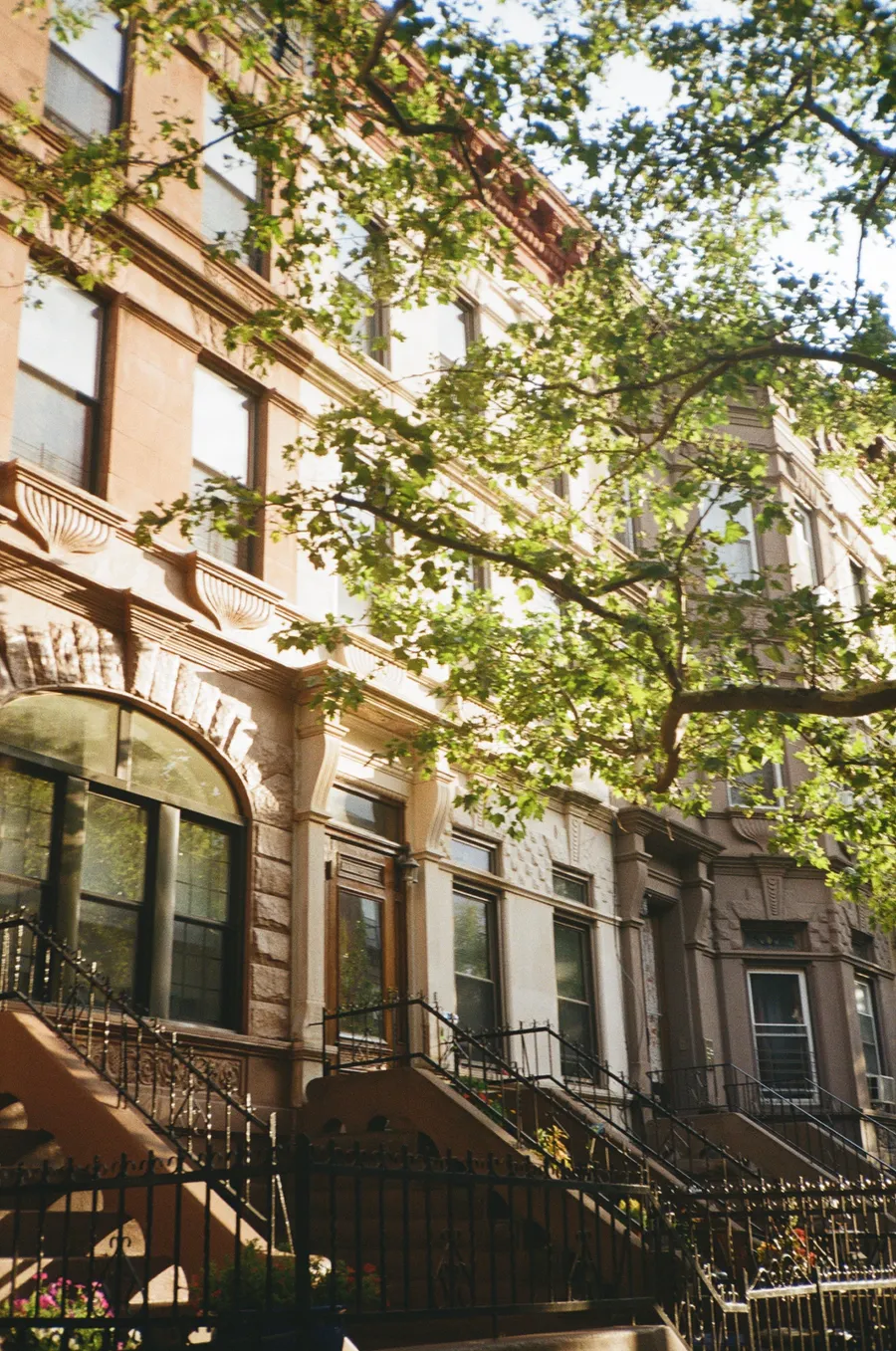
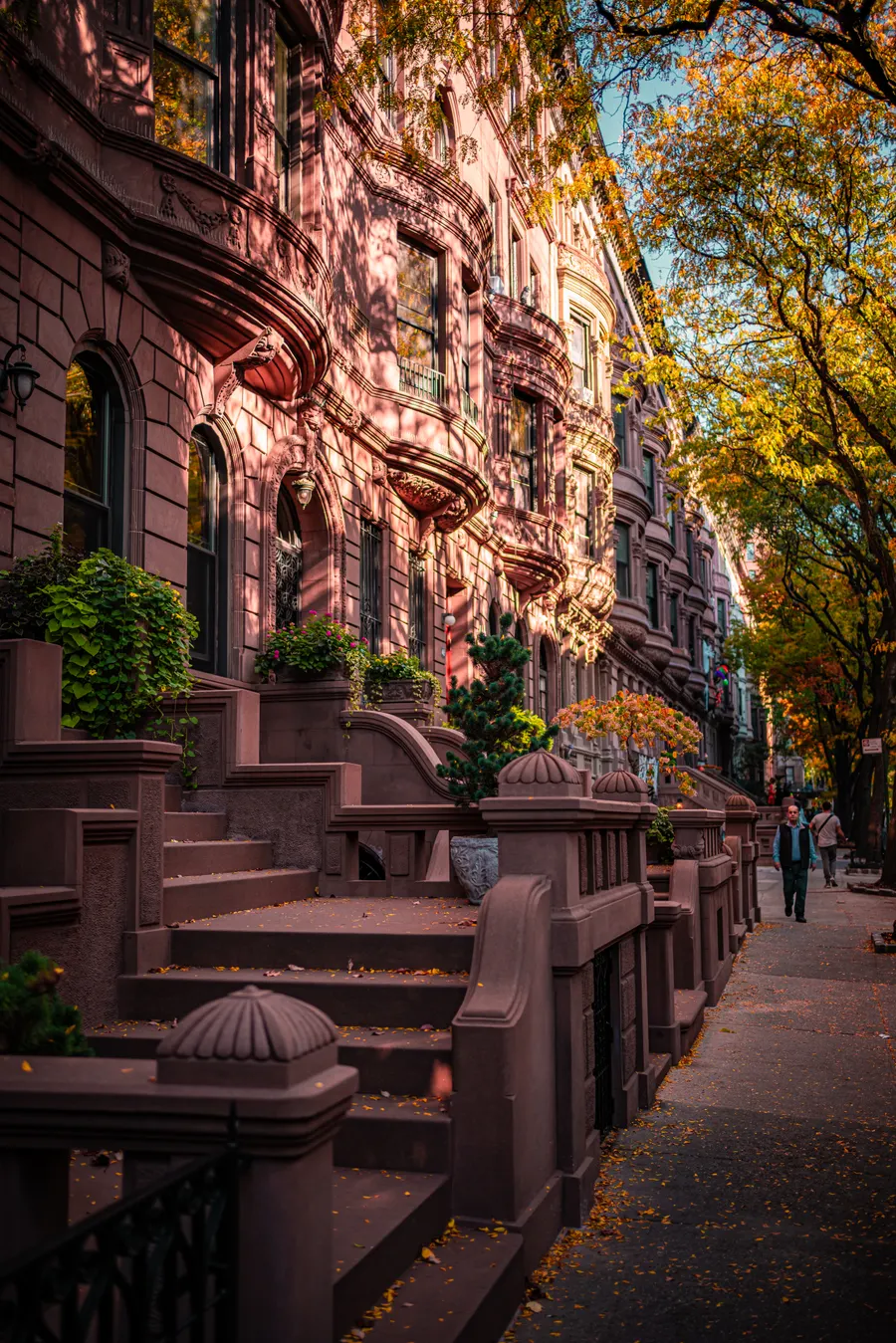
Manhattan Brickwork Worth Protecting
Planning Your Brick Pointing Budget
Every wall prices differently, and a fair number only comes after someone looks at the brick. We put every factor into a written scope so there are no surprises once work begins.
See what affects brick pointing cost Manhattan owners can expect.
- How much mortar has failed
- Height and access method
- Type of mortar the brick needs
- Landmark district rules
Brick Pointing Manhattan FAQs
Straight answers to the questions Manhattan owners and boards ask us most.
How often does a brick building in Manhattan need pointing?
Well done pointing usually lasts 25 years or more, but some parts of a building wear faster. Parapets, chimneys and walls that face the weather often need attention first, so many buildings point small sections in between full pointing jobs.
Is brick pointing the same as repointing?
People often use the two words for the same job, which is replacing worn mortar between bricks. Repointing usually means cutting the old mortar out to a set depth across a wall before refilling it, while pointing can also cover smaller repairs.
Does brick pointing in Manhattan need a permit?
It depends on the scope and the building. Routine pointing is often treated as minor work, but the sidewalk sheds and scaffolds most Manhattan jobs need do require DOB permits, and buildings in historic districts need approval from the Landmarks Preservation Commission. We confirm what applies before any work starts.
Can you match my existing mortar color?
Yes. We take samples of the old mortar, study its color, sand and texture, and prepare test areas so you can see the match on your own wall before we point the rest.
Can brick pointing be done in winter?
Mostly no, because mortar needs temperatures above about 40 degrees Fahrenheit to set properly. Most exterior pointing is done from spring through fall, and small urgent repairs can sometimes be done in colder months with heated enclosures and extra protection.
Will pointing stop water from leaking into my building?
If water is getting in through open or cracked joints, pointing is usually the fix. Leaks can also come from flashing, copings, windows or the roof, so we check those too and tell you if the source is somewhere else.
How long does a brick pointing job take?
A townhouse rear wall or a chimney can often be finished in a few days. Full elevations on larger buildings take longer and are scheduled section by section around scaffolding and weather.
Do you work on landmarked and historic district buildings?
Yes. We use mortar suited to historic brick, match joint profiles to the original and prepare the samples and details the Landmarks Preservation Commission asks for.
Do you work with co-op boards and managing agents?
Yes. We provide written scopes, schedules and certificates of insurance, and we keep the board or agent updated as the work moves along.
Can you point just one section of a wall?
Yes. Spot pointing small areas makes sense when most of the wall is still sound, and we blend the new joints into the old ones so the repair does not stand out.
Get a Brick Pointing Estimate for Your Manhattan Building
Tell us about your building and what you are seeing on the walls. A member of our team will talk it through with you and set up a time to look at the brick in person.
Talk to a Manhattan pointing specialist
Licensed and insured. Residential and commercial.