
Brick Repointing in Manhattan
When mortar joints fail across a wall, patching is not enough. Our licensed and insured masons handle brick repointing in Manhattan the careful way, cutting joints back to sound mortar, matching new mortar to your brick and packing it in layers so it bonds and lasts for decades.
What Brick Repointing Means for a Manhattan Wall
Brick repointing is the removal of deteriorated mortar from the joints of a brick wall to a uniform, sound depth and the replacement of that mortar with new mortar matched to the original. It is the long term fix for walls where joints are open, cracked or soft across large areas. Done right, it restores the wall’s weather seal without harming the brick.
How deep joints are cut compared with their width before new mortar goes in
The thickness of each layer of new mortar packed into a deep joint
The temperature mortar needs while it is placed and cures
Spot Pointing or Full Brick Repointing
Not every wall needs brick repointing from top to bottom. The right call depends on how much of the mortar has failed and where.
When Spot Pointing Makes Sense
- Failed joints are limited to a few areas, such as under a window or at a downspout
- Most of the wall’s mortar is still hard and tight
- The building needs a repair now while a full program is planned
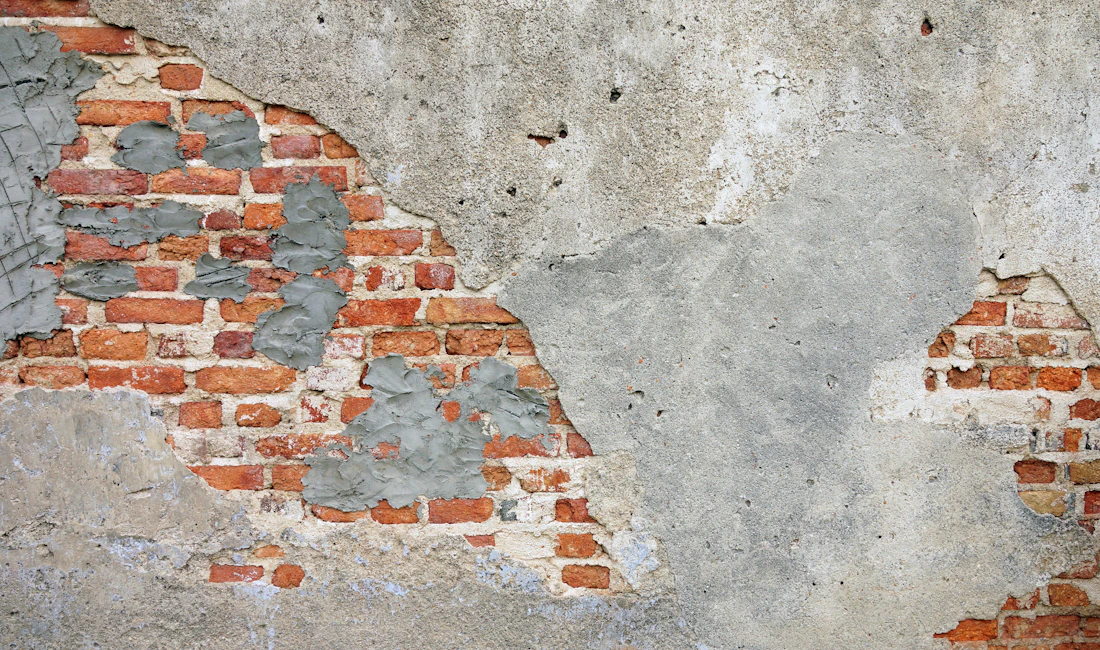
When Full Repointing Is the Better Choice
- Joints are recessed, sandy or cracked across most of an elevation
- Earlier patching used hard cement mortar that is now damaging the brick
- Water is getting through the wall in more than one place
- Scaffolding is already going up for other facade work
If you only need a few small areas sealed for now, see Flash Pointing Manhattan.
Mortar Matching for Brick Repointing in Manhattan
The most important rule of repointing is that new mortar must be softer and more breathable than the brick around it. If it is harder, the brick takes the stress instead of the joint, and faces start to crack and spall. We match the strength, color, sand and texture of the original mortar before a single joint is filled.
| Mortar Type | What It Is | Where We Use It in Manhattan |
|---|---|---|
| Lime Putty or High Lime Mortar | Soft, breathable lime with little or no cement | Soft hand-made brick on older row houses and landmark facades |
| Type O | Low strength cement-lime mortar | Older brick that needs a softer mix but a quicker set than pure lime |
| Type N | Medium strength cement-lime mortar | Most above-grade brick walls on 20th century walk-ups and apartment buildings |
| Type S and Type M | High strength cement-rich mortars | Rarely for repointing, because they are usually too hard for existing brick |
On landmark buildings, mortar may also be tested to identify the original mix, and the Landmarks Preservation Commission reviews samples of color, texture and tooling before work begins.
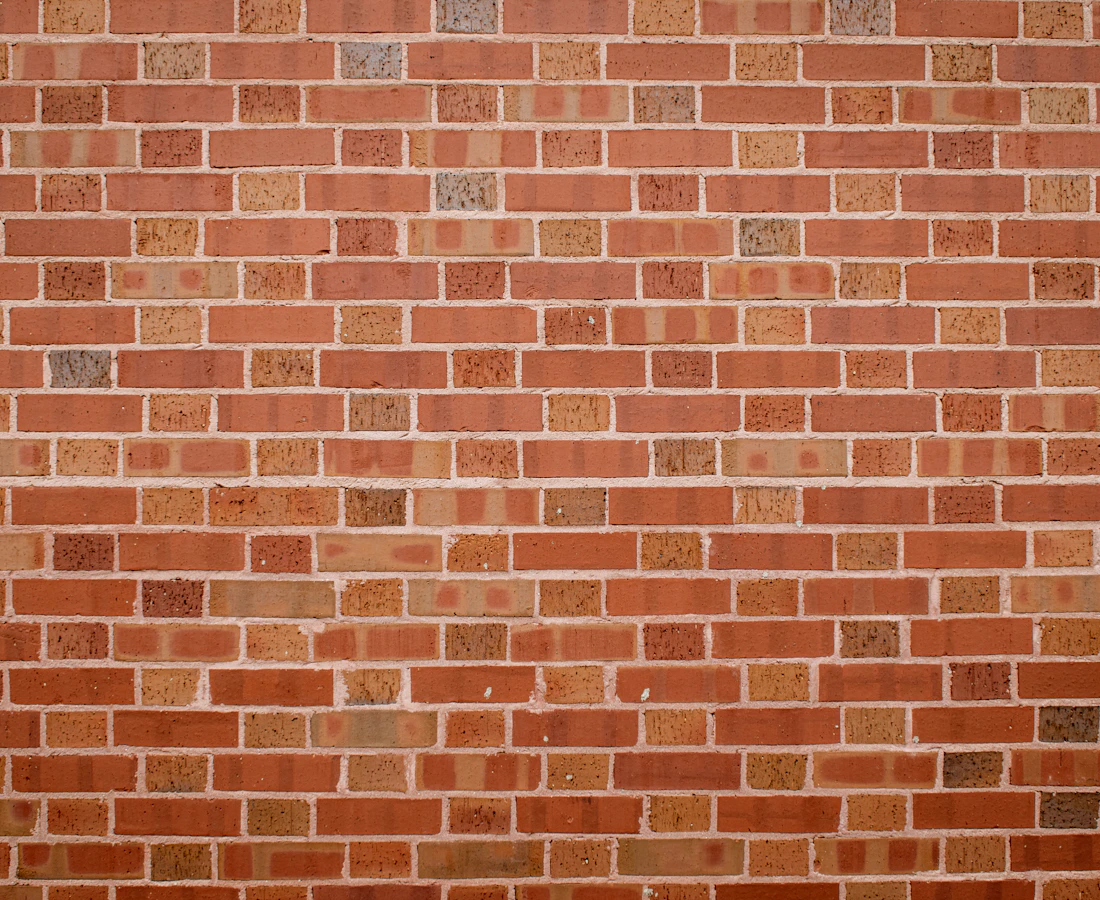
Joint Depth for Mortar Joint Repair in Manhattan
New mortar needs depth to grip the wall. The accepted guide for historic and modern brick is to remove old mortar to two to two and a half times the width of the joint, and always back to sound mortar. Joints are squared at the back and the brick edges are never chipped.
| Joint Width | Typical Rake-Out Depth |
|---|---|
| 1/4 inch | About 1/2 to 5/8 inch |
| 3/8 inch | About 3/4 to 1 inch |
| 1/2 inch | About 1 to 1 1/4 inch |
Our Brick Repointing Process Step by Step
Our brick repointing in Manhattan follows six steps that take a worn wall from failed joints to a tight, matched finish.
Survey and Mortar Sampling
We map failed joints by elevation and take samples of the existing mortar to study its color, sand and hardness.
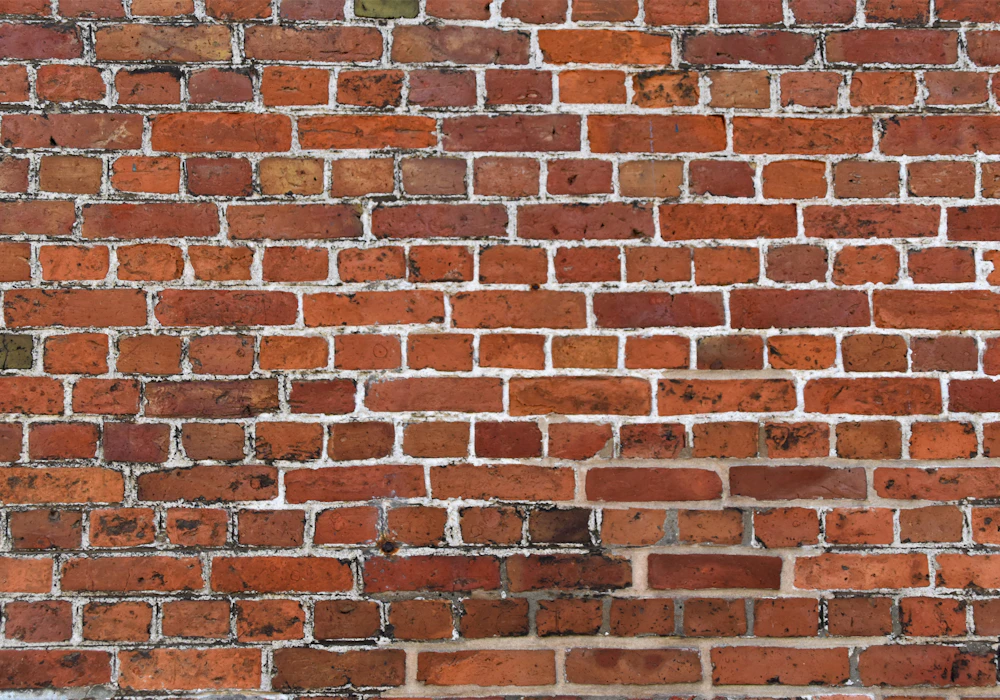
Mortar Mix and Test Panel
A matched mix is prepared and a small test area is pointed on your wall so the color and texture can be approved once dry.
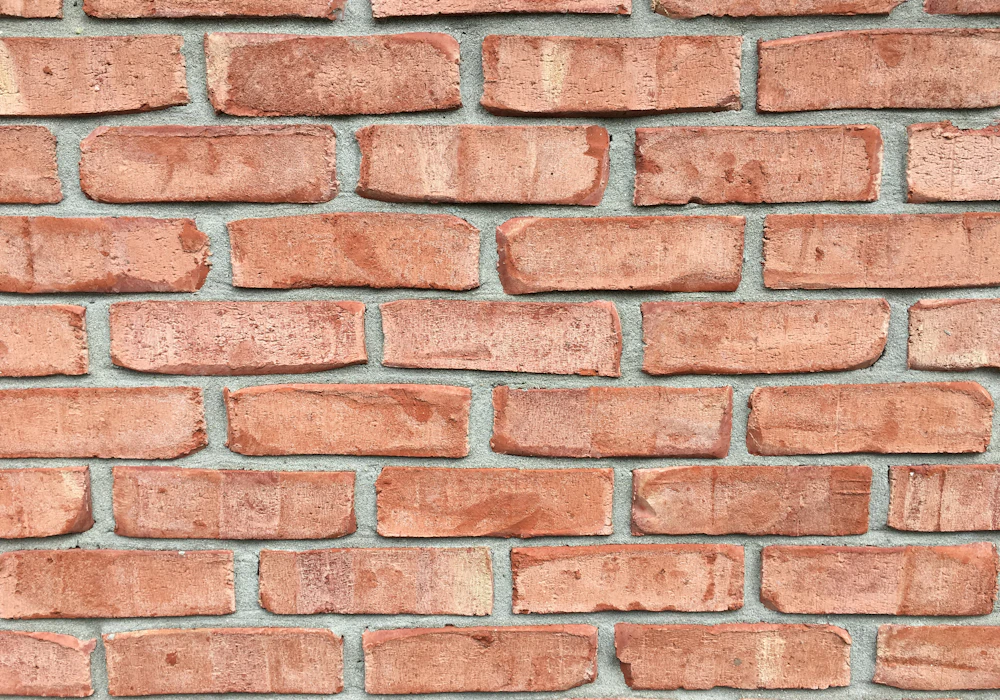
Raking Out Old Mortar Joints
Old mortar is removed to the right depth with hand tools or narrow blades sized to the joint, without cutting into the brick.
Cleaning and Dampening
Dust and loose material are cleared out and the joints are lightly dampened so the brick does not pull water out of the new mortar too fast.
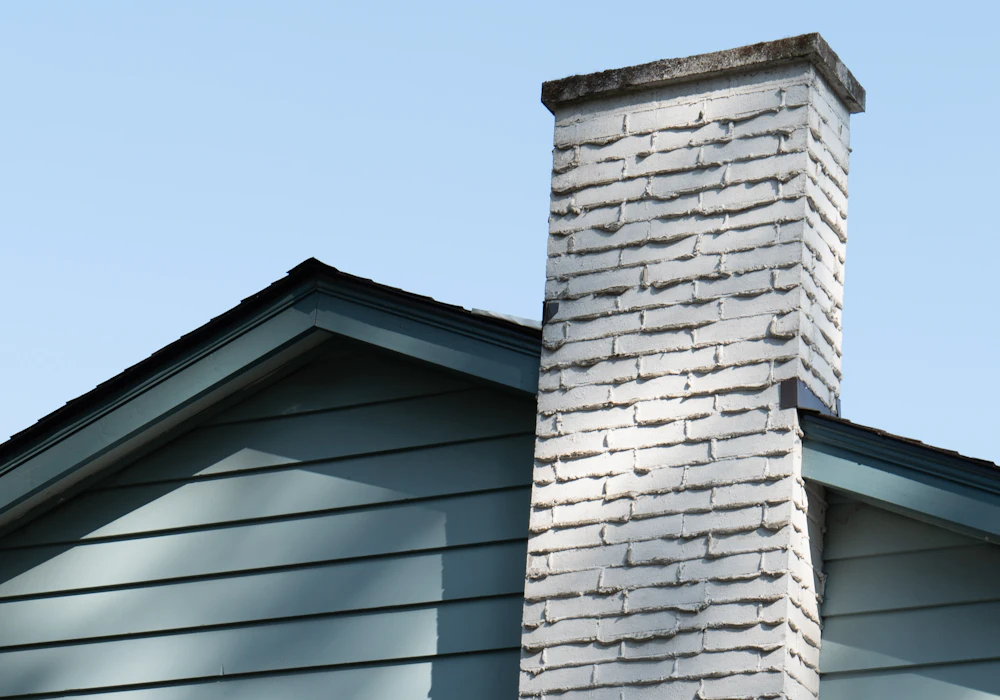
Packing and Tooling New Mortar Joints
Mortar goes in layers about a quarter inch thick, each one left to firm up until it takes a thumbprint before the next. The final layer is tooled to match the original joint profile.
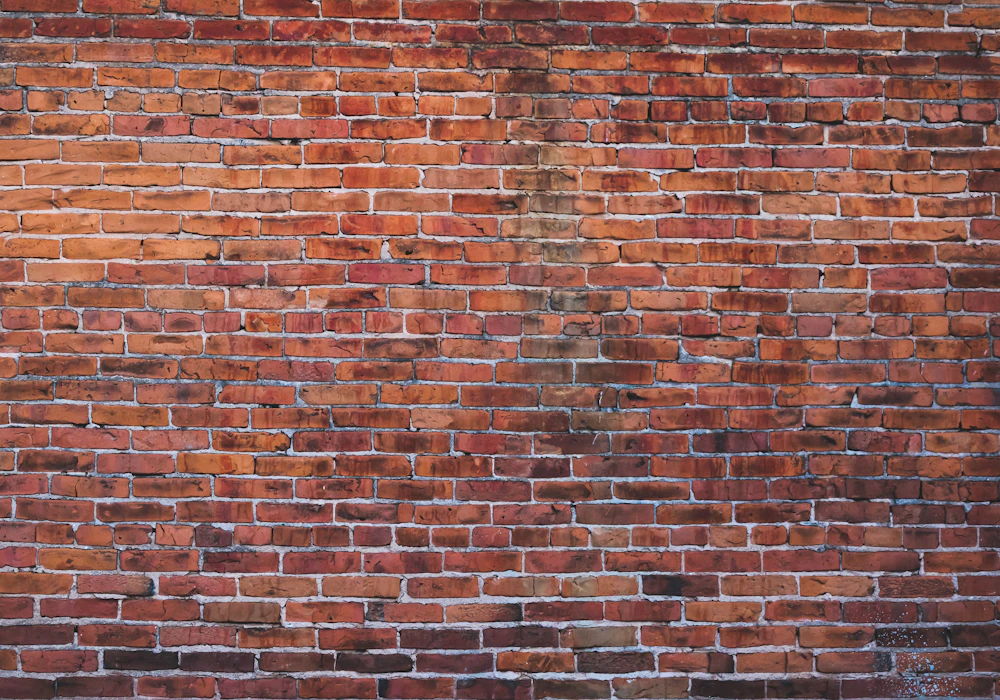
Curing and Cleanup
The new joints are kept damp and shaded while they cure, then the wall, windows and sidewalk are cleaned.

Repointing Mid-Rise and High-Rise Buildings in Manhattan
On taller buildings, repointing is planned elevation by elevation. We choose the access that fits the building, whether that is pipe scaffolding, a swing stage or a combination, and we schedule the work so each side is finished and inspected before moving on.
When repointing is part of a facade inspection cycle, we follow the QEWI’s report so the work lines up with your filing. See Facade Repair Manhattan for Local Law 11 repairs.
Pipe Scaffolding
Fixed access for full elevations and long repointing runs.
Swing Stage
Suspended platforms for tall, flat walls above busy streets.
Sidewalk Shed
Overhead protection that keeps pedestrians and entrances safe.
Curing Repointing Mortar in Manhattan Weather
New joints are only as good as the first few days after they go in. These four conditions decide how well repointing in Manhattan cures.
Temperature
Mortar is placed and cured above about 40 degrees Fahrenheit, which is why most repointing runs from spring through fall.
Moisture
Fresh joints are misted and kept damp during the first days so they cure hard instead of drying out.
Sun and Wind
High walls dry fast in sun and wind, so new work is shaded or covered on exposed elevations.
Rain
Fresh joints are protected from heavy rain until they set, so the mortar does not wash out of the joint.
How do I know if my building needs full repointing?
If joints are recessed, sandy or cracked across most of a wall, or if water is coming through in several places, full repointing is usually the right fix. When the damage is limited to small areas, spot pointing can be enough for now.
Can you repoint with Portland cement mortar?
Cement-lime mortars such as Type N are fine for many 20th century brick walls. Hard, cement-rich mixes are a different story on older soft brick, because they trap moisture and force the brick to crack instead of the joint, so we avoid them there.
Will repointing fix cracked or spalled bricks?
No. Repointing replaces mortar, not brick. Cracked, flaking or loose bricks are cut out and replaced as part of Brick Repair Manhattan, and the two jobs are often done together.
Why should new mortar be softer than the brick?
Walls move with heat, cold and moisture. A softer joint takes that movement and wears slowly over time, which is far cheaper to fix than brick faces that crack because the mortar was too hard.
Can you repoint only the front of my building?
Yes. Many owners repoint the street front first and other walls later. We match the new mortar so the repointed front does not clash with the walls left for a later phase.
How long does repointing mortar take to cure?
New joints firm up within a day and gain most of their strength over the following weeks. We keep them damp and protected for the first few days, which is when curing matters most.
Schedule a Brick Repointing Inspection in Manhattan
Tell us about your building and the walls that worry you. We will look at the joints up close, take mortar samples if needed and give you a written repointing scope.

Related Masonry Services in Manhattan
Tuckpointing Manhattan
Historic ribbon joints with color matched stopping mortar.
Brick Repair Manhattan
Cutting out and replacing cracked, spalled or loose brick.
Masonry Waterproofing Manhattan
Stopping water at joints, copings and flashing.