
Tuckpointing for Manhattan Brick Facades
Tuckpointing gives brickwork the sharp, even lines that made Manhattan’s row houses and early apartment fronts look so refined. Our licensed and insured crews match the mortar to your brick, then lay a fine lime putty ribbon by hand to bring that crisp historic finish back to the wall.
What Tuckpointing Is and Why Manhattan Facades Use It
Tuckpointing is a decorative way of finishing mortar joints. The joint is first filled with mortar colored to blend with the brick, a narrow groove is cut along its center and a thin ribbon of contrasting lime putty is pressed into that groove and trimmed straight. From the street the wall reads as precise brick with very fine joints, even when the bricks themselves are uneven.
The technique goes back centuries in English and early American brickwork, and many Federal, Greek Revival and later row house fronts in Manhattan were finished this way.

How the word is used in New York. Many people use the word tuckpointing for any job that replaces worn mortar. That work is repointing, and we cover it in detail on our Brick Repointing Manhattan page. This page is about true tuckpointing and the historic finish it creates.
Tuckpointing vs Repointing on Manhattan Buildings
Compare tuckpointing and repointing line by line before you decide what your Manhattan facade needs.
What Tuckpointing Does
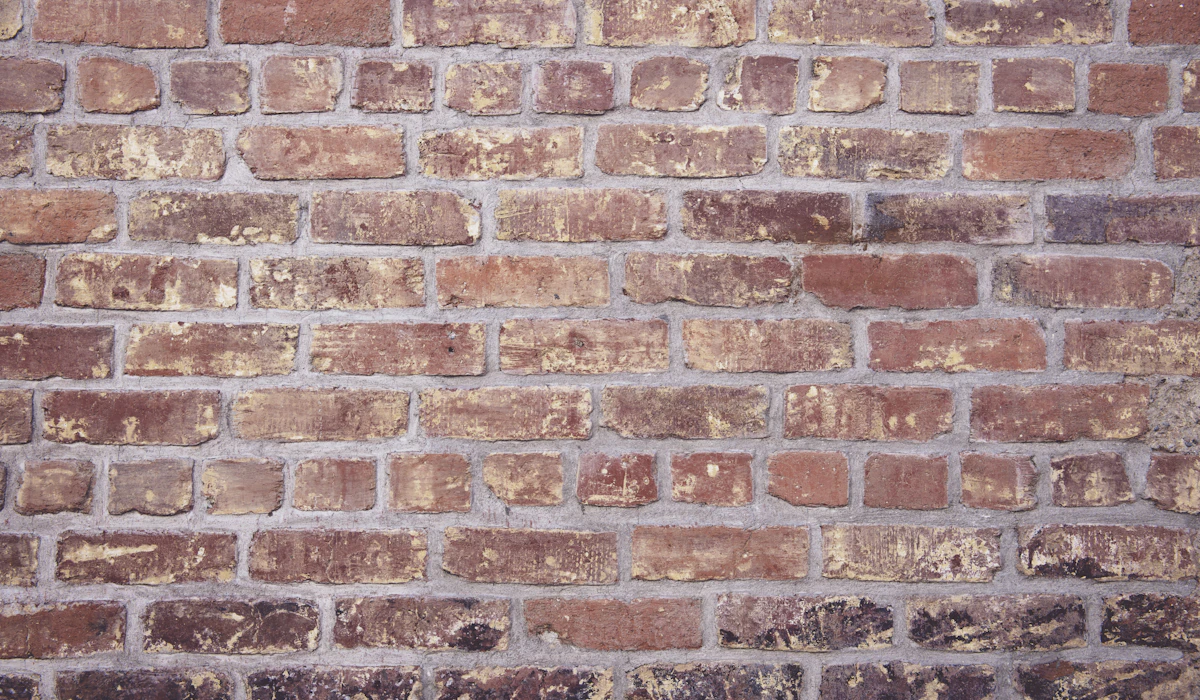
- Main purpose
- Restore a decorative historic finish
- What you see after
- Brick colored joints with a fine contrasting line
- Mortar used
- Color matched stopping mortar plus lime putty ribbon
- Typical buildings
- Historic row houses and landmark fronts
- Time on the wall
- Slower, because every ribbon is laid and trimmed by hand
- Learn more
- You are on the tuckpointing page
What Repointing Does
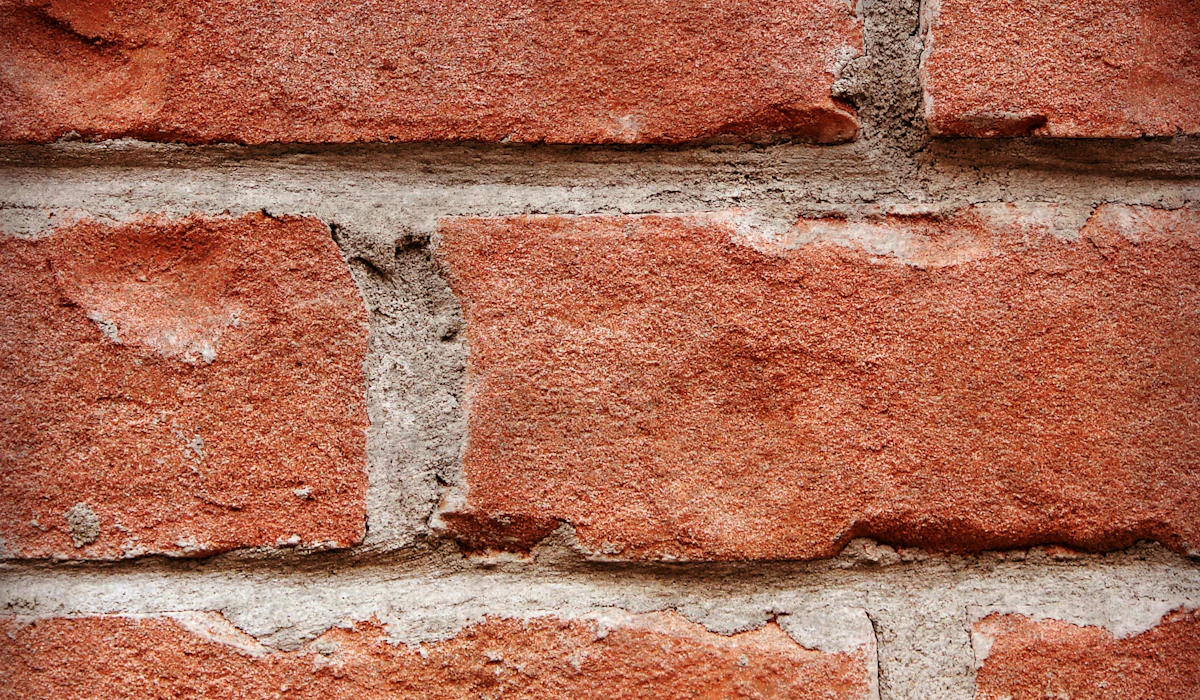
- Main purpose
- Replace failing mortar and seal the wall
- What you see after
- Plain joints matched to the original mortar
- Mortar used
- One mortar matched in strength, color and texture
- Typical buildings
- Any brick wall with worn joints
- Time on the wall
- Faster per square foot
- Learn more
- Brick Repointing Manhattan
Both jobs start the same way, by removing weak mortar to a sound depth. The difference is the finish. Tuckpointing adds the ribbon, and that is what gives a historic facade its character.
How Our Tuckpointing Process Brings Back the Historic Finish
Our tuckpointing in Manhattan follows four careful stages, each done by hand, that turn worn joints back into the fine lines your facade was built with.
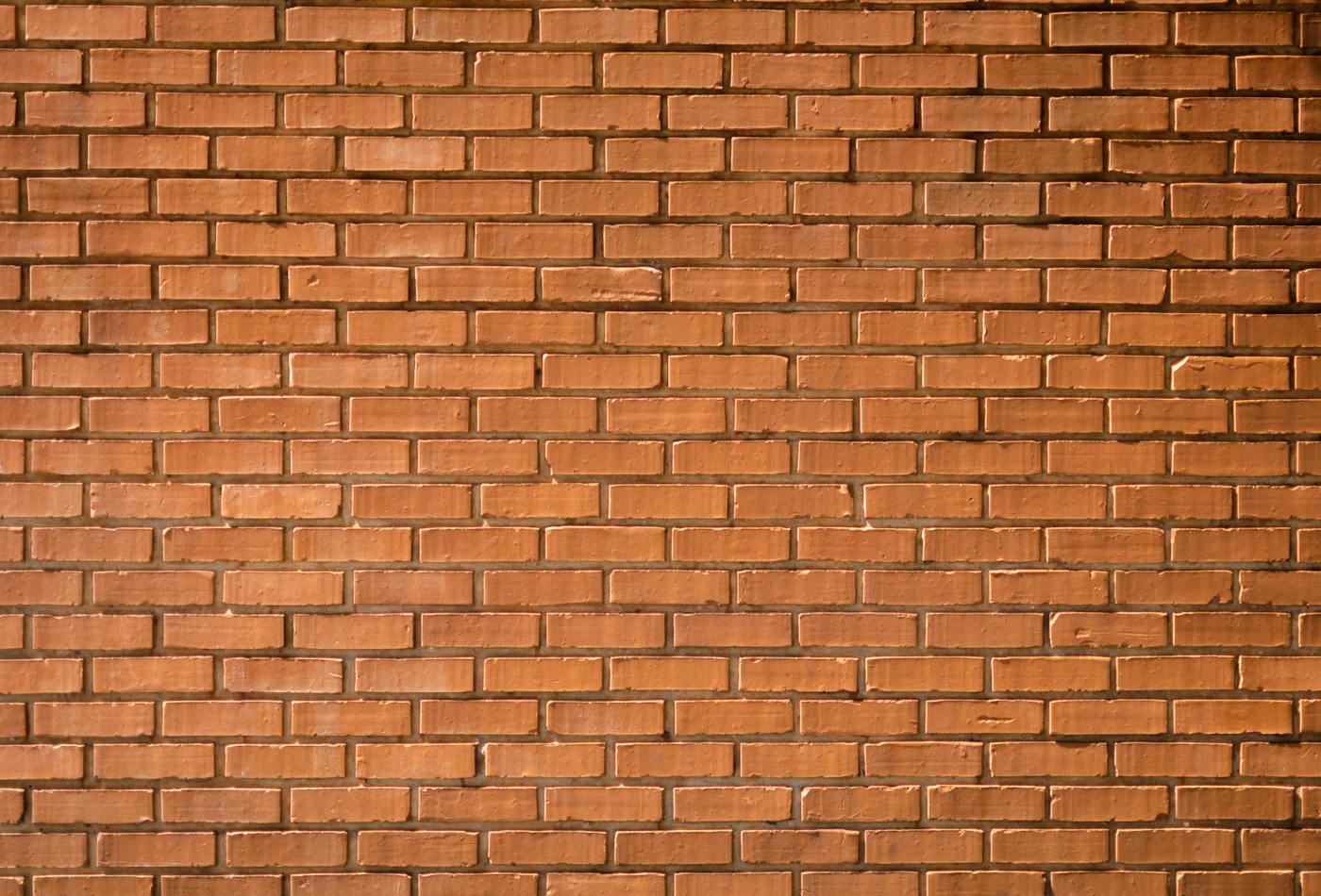
Cutting Out Old Mortar Joints
Worn mortar and any old ribbon are removed by hand and with fine blades sized to the joint, so the soft edges of old brick are not chipped or rounded off.
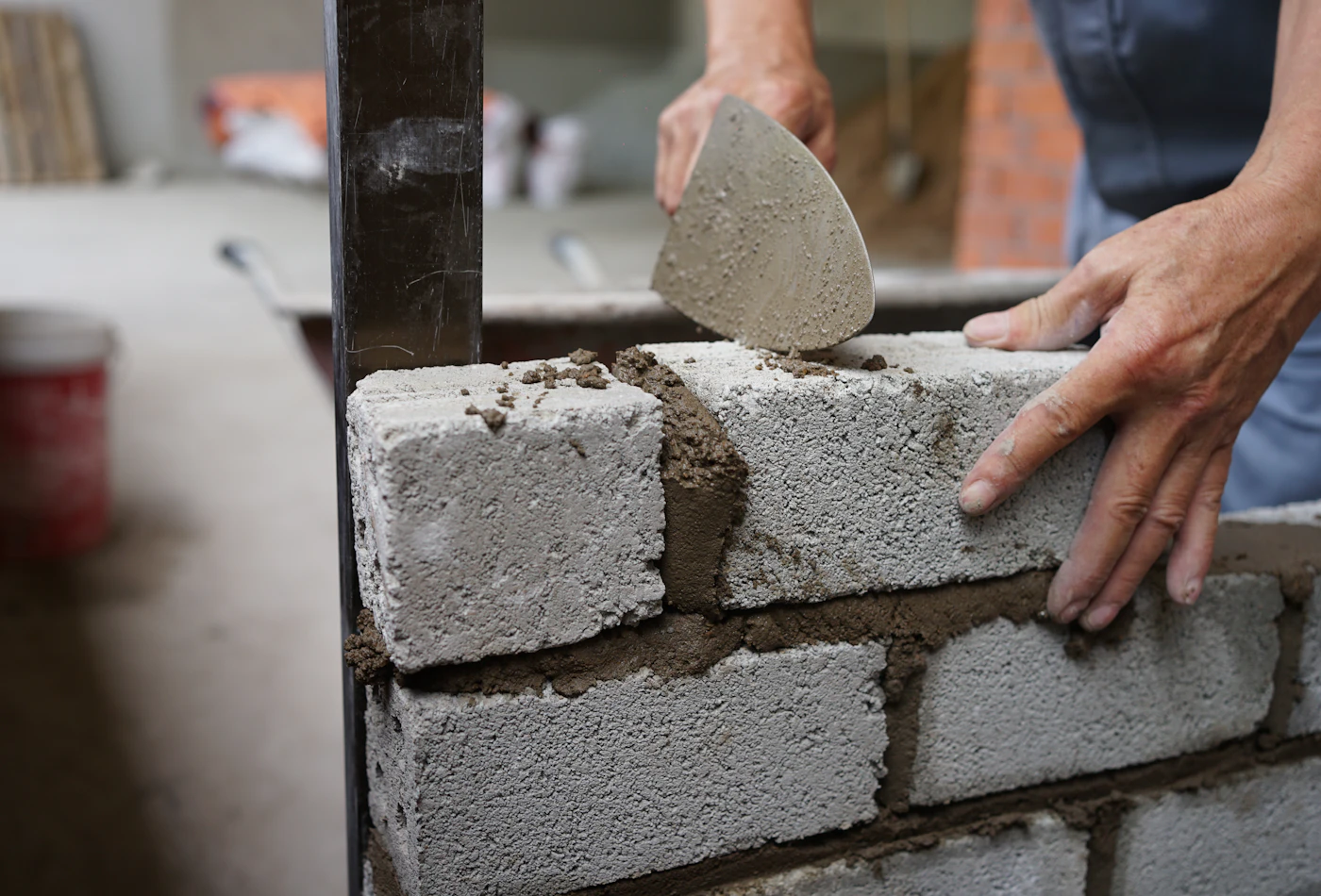
Filling With Color Matched Stopping Mortar
The joints are packed with a lime-rich mortar tinted to the color of the brick. Finished flush with the wall face, it hides worn brick edges and makes uneven units look straight and even.
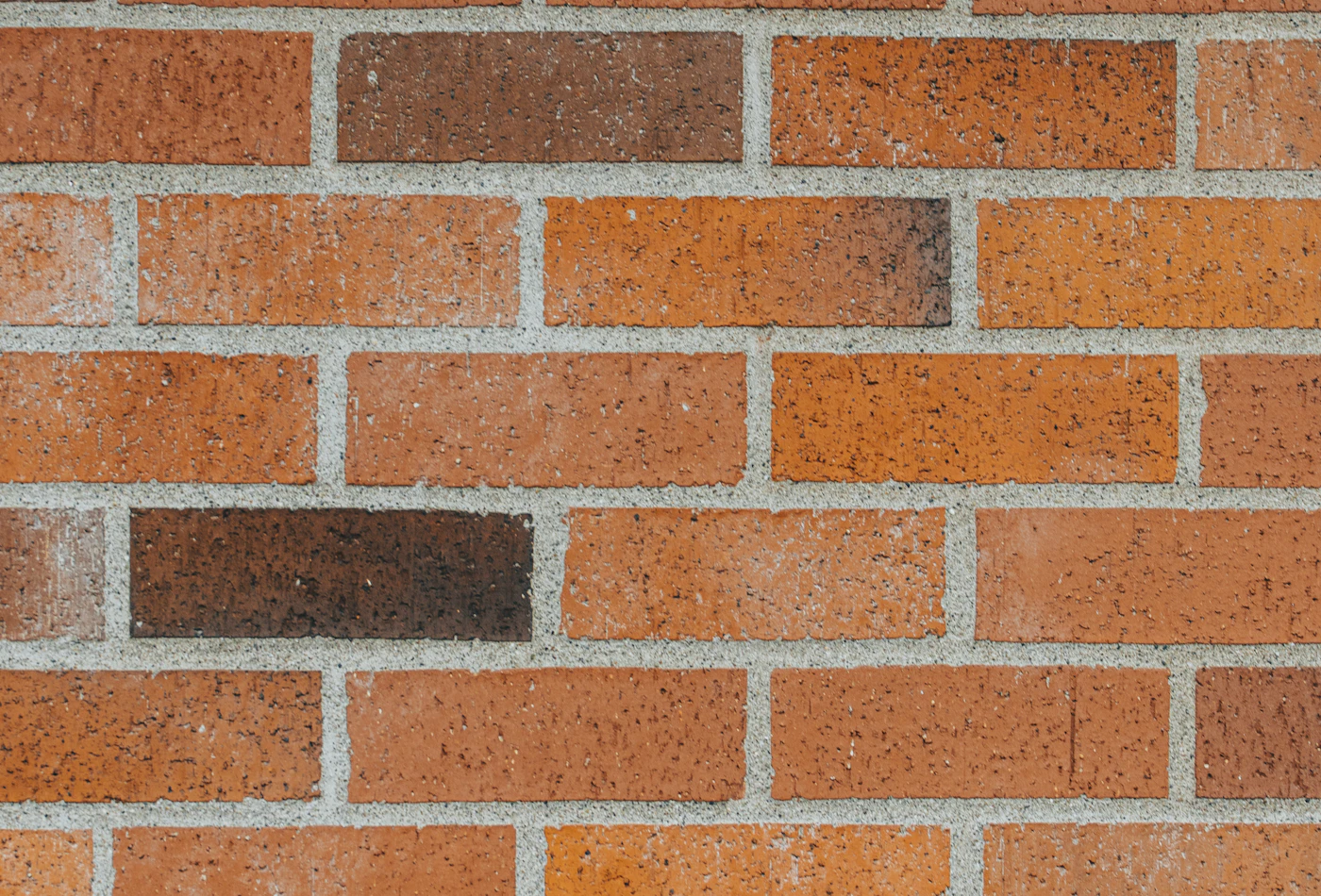
Cutting the Groove
While the stopping mortar is still workable, a narrow groove is run along the center of every joint with a straightedge, keeping the lines level and plumb across the whole facade.
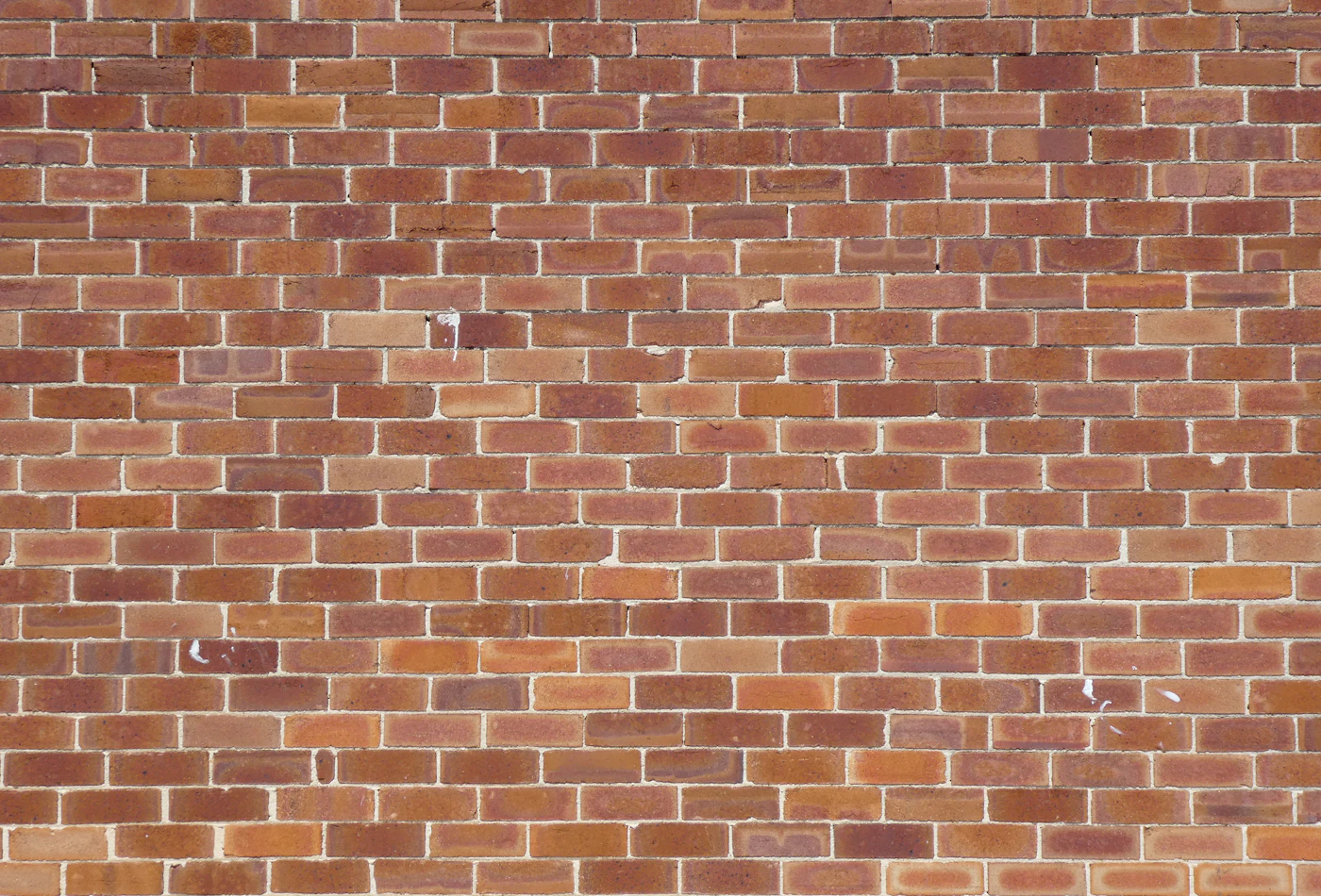
Laying and Trimming the Ribbon
A fine lime putty, usually white or cream, is pressed into the groove with a tuck iron. Each edge is then trimmed with a Frenchman knife against a straightedge, leaving a crisp ribbon that stands just proud of the wall.
Tuckpointing and Joint Profiles We Match in Manhattan
Every building has its own joint style. Matching it is what makes new tuckpointing disappear into the old.
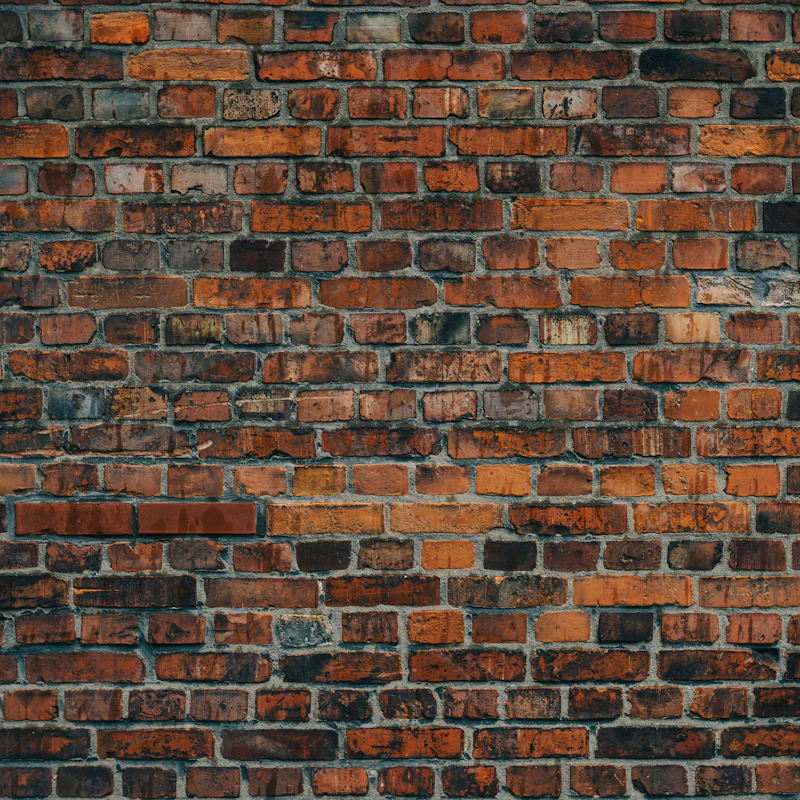
Raised Ribbon Joint
The classic tuckpointed line, standing slightly proud of the brick face.
Flush Ribbon
A flatter ribbon found on plainer row house fronts.
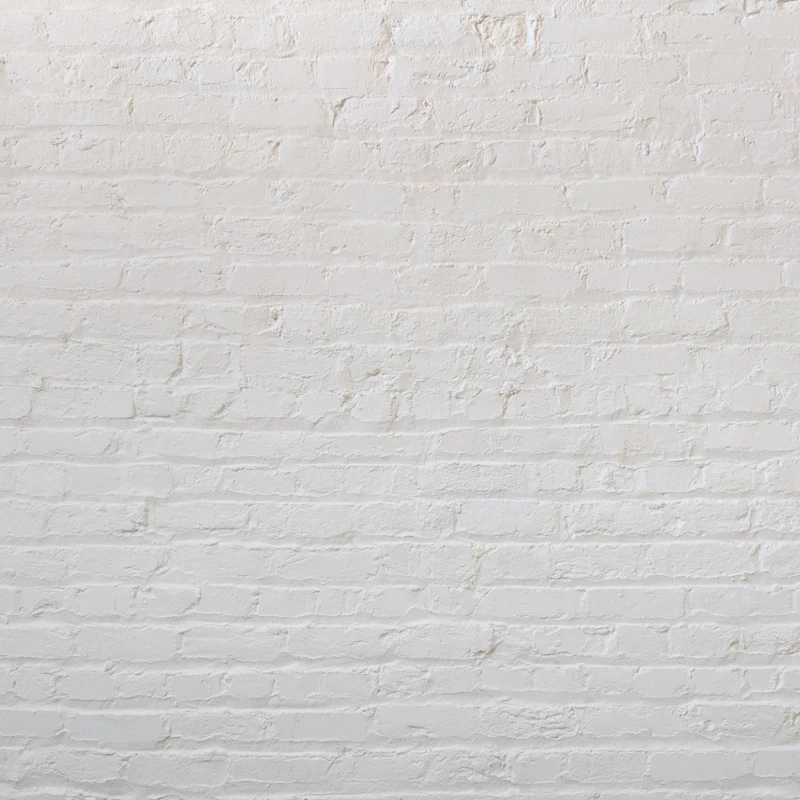
Beaded Joint
A rounded raised bead, common on 19th century brick.
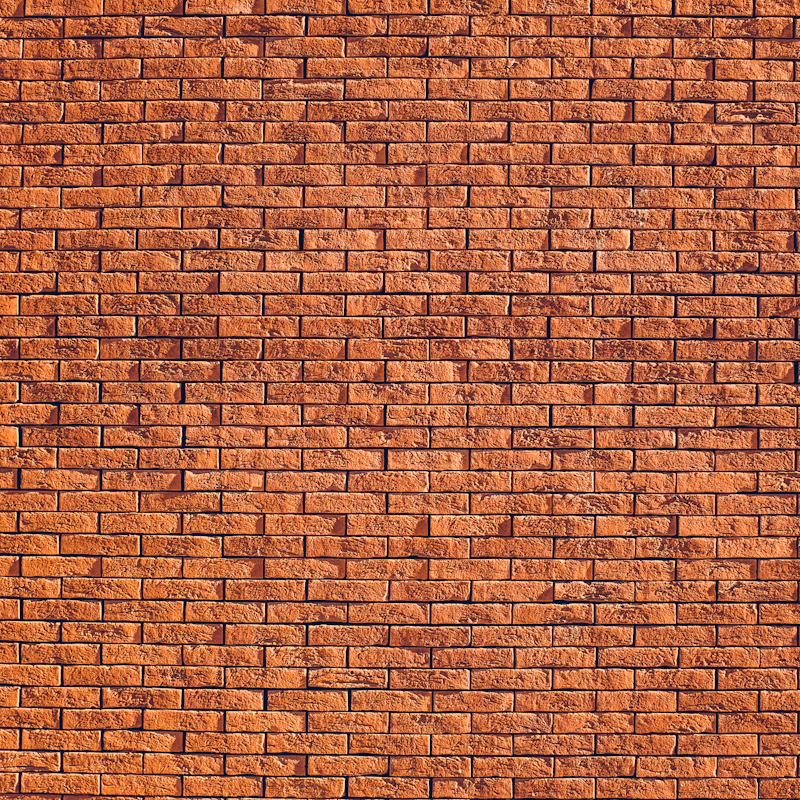
Struck Joint
Angled to shed water, seen on many walk-ups and side walls.
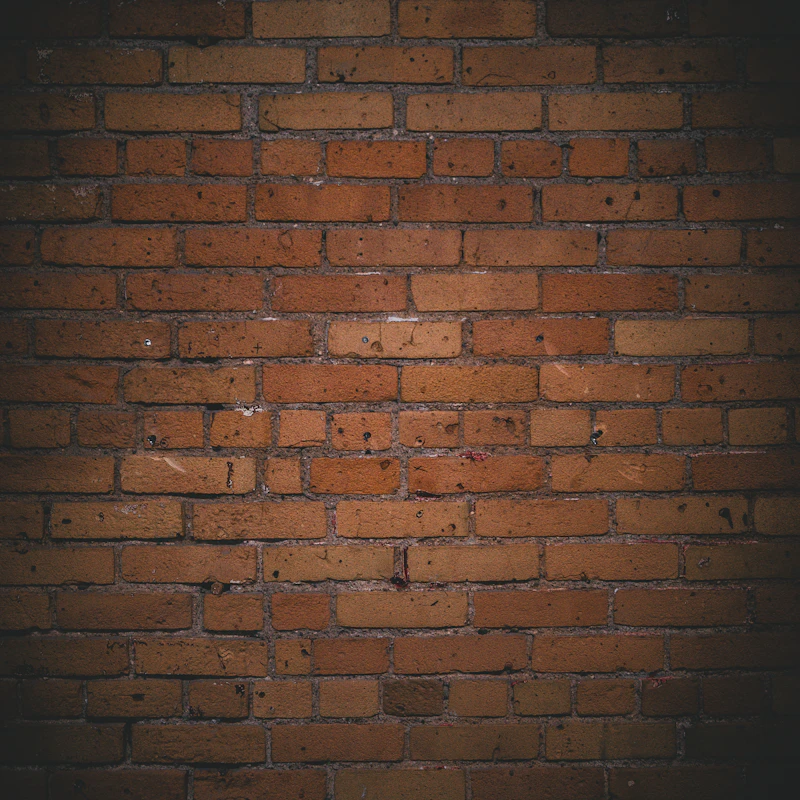
Concave Joint
The everyday modern profile that sheds water well.
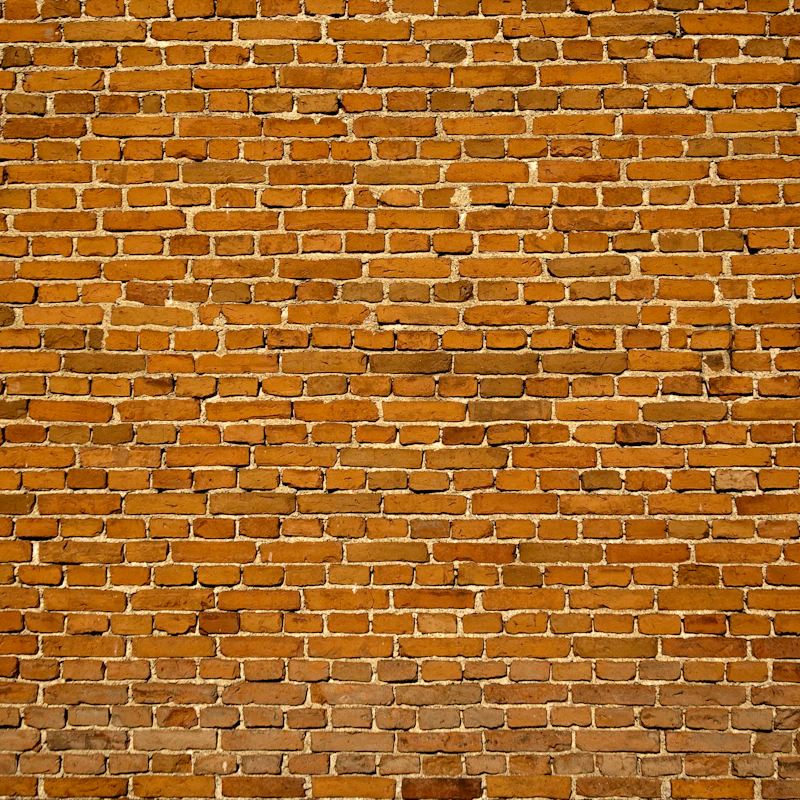
Grapevine Joint
A thin line pressed into the center, often copied on historic restorations.
Where Tuckpointing Shows Up on Manhattan Buildings
Tuckpointing was a mark of quality, so it usually appears on the street fronts owners most wanted to impress.
Federal and Greek Revival Row Houses
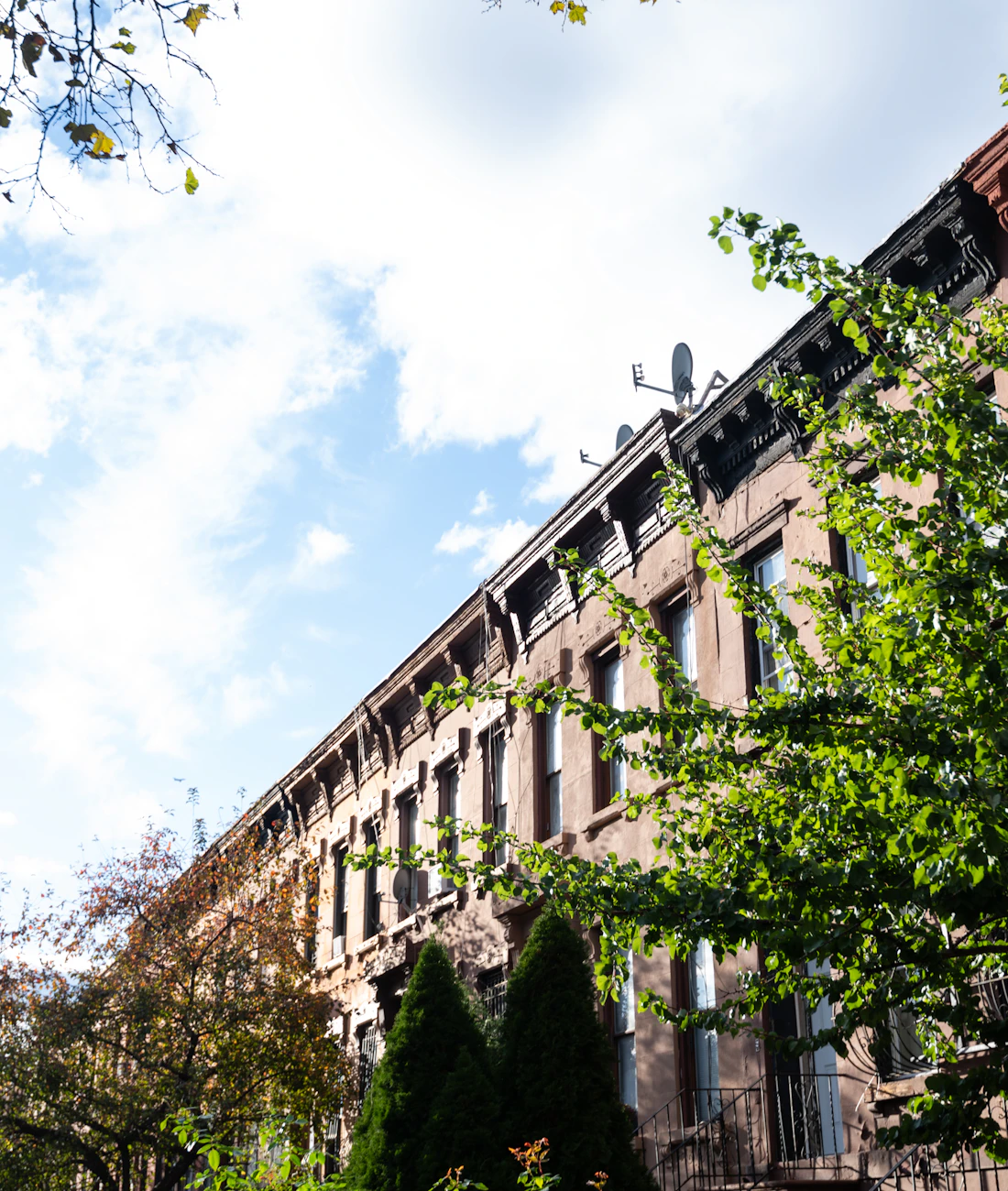
The early brick houses of Greenwich Village and the West Village often had fine joints on their front walls, many of them now inside historic districts.
Later Row Houses and Early Apartment Fronts
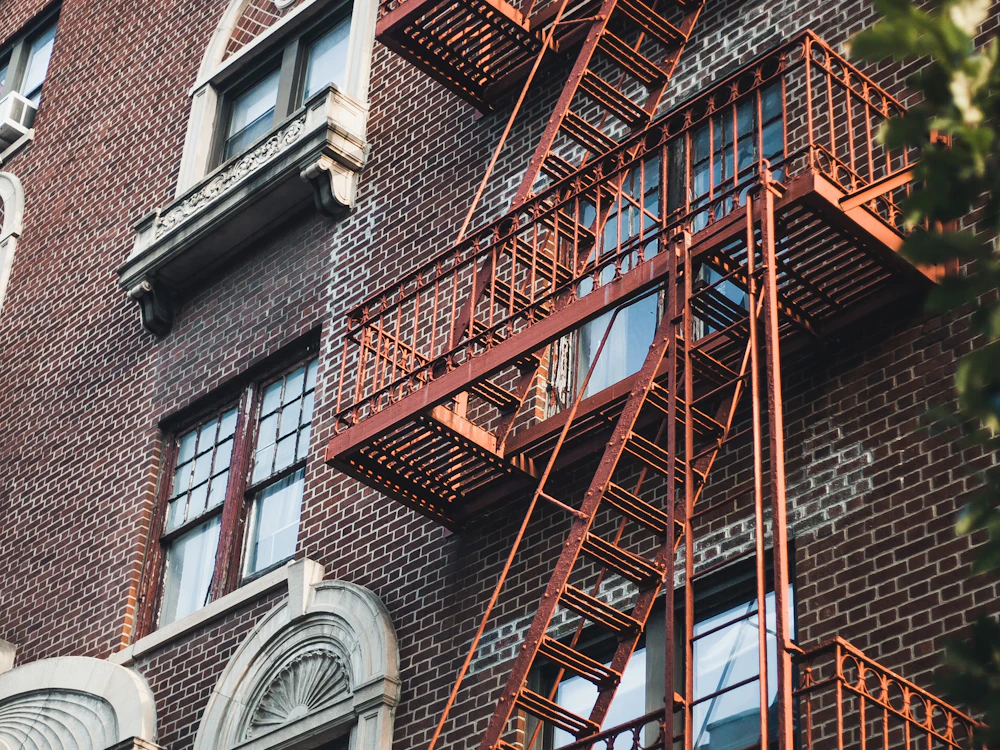
Brick fronts in Chelsea and Harlem, along with early apartment buildings, used fine joint work to make the brick look richer and more uniform.
Institutional and Church Buildings
Schools, churches and civic buildings often carried decorative joint work on their main facades.
Tuckpointing on Landmark Buildings in Manhattan
If your building is an individual landmark or sits in a historic district, tuckpointing and repointing need approval from the Landmarks Preservation Commission before work begins. The Commission usually asks for samples of mortar color, texture and tooling, and sometimes for a sample of how joints will be cut out. We prepare those samples on your wall so the approved finish is the one you get.
Signs Your Building Needs Tuckpointing in Manhattan
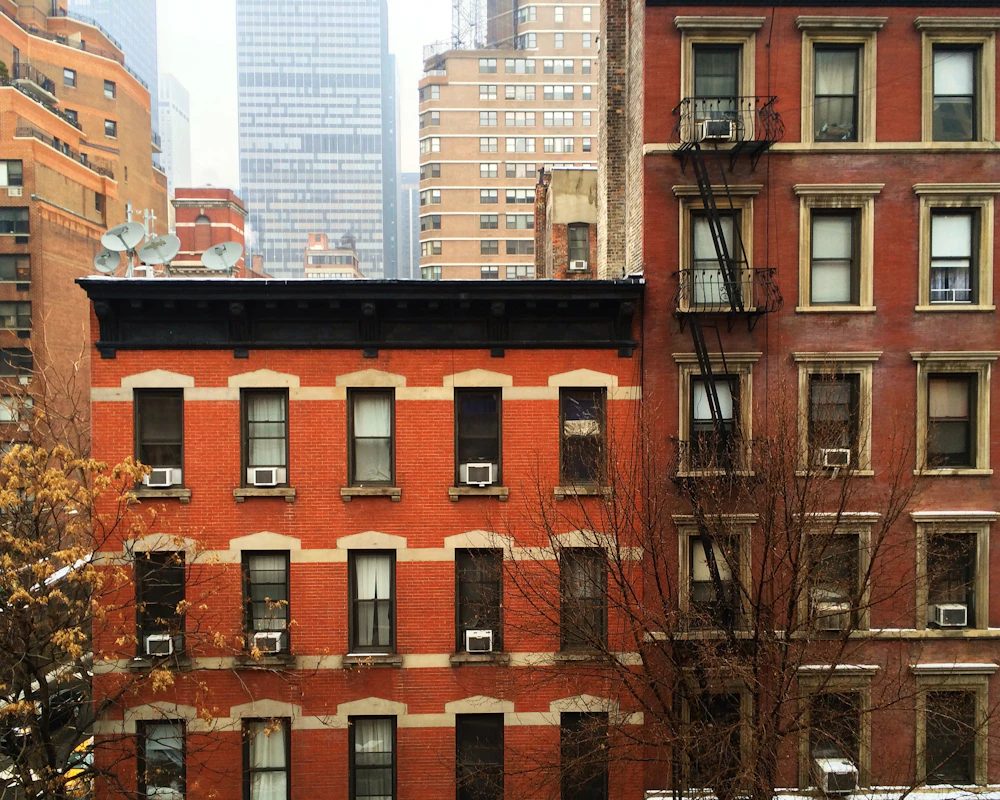
- The fine ribbon lines have worn away in patches or vanished
- The brick colored stopping mortar is eroding behind the face
- Past repairs were smeared over with plain gray cement
- Patched areas no longer match the rest of the front
Tuckpointing Manhattan FAQs
Short answers to the questions owners ask before booking tuckpointing in Manhattan on a historic brick front.
Is tuckpointing only cosmetic?
No. The finish is decorative, but the work underneath it replaces worn mortar and seals the joints, so a tuckpointed wall keeps water out just as well as a plainly repointed one.
How long does tuckpointing last?
The stopping mortar can last for decades when the work is done well. The fine ribbon is softer and wears first on walls that face the weather, so it may need touching up sooner while the joints behind it stay sound.
Why does tuckpointing take longer than regular pointing?
Every joint gets two materials instead of one, and each ribbon is laid and trimmed by hand against a straightedge. That extra handwork is what produces the crisp historic look.
Can you restore tuckpointing that has mostly worn away?
Yes. We look for surviving traces of the original ribbon and stopping mortar, record their color, width and profile and recreate them across the facade.
What color is the ribbon in tuckpointing?
Most historic ribbons in Manhattan are white or cream lime putty set against brick colored mortar. Some buildings used dark ribbons. We match whatever your building originally had.
Does tuckpointing need Landmarks Preservation Commission approval?
It does if the building is a designated landmark or inside a historic district. We prepare the mortar and joint samples the Commission asks for so the permit can move forward.
Book Tuckpointing in Manhattan for Your Historic Facade
Send us a few photos of your facade or call to set up a visit. We will look at the joints up close and tell you whether your building needs tuckpointing, repointing or both.
Related Masonry Services in Manhattan
Brick Repointing Manhattan
Full mortar joint replacement with matched mortar packed in layers.
Brick Restoration Manhattan
Cleaning, paint removal and color matching for tired brick fronts.
Brownstone Repair Manhattan
Patching and rebuilding of brownstone fronts, stoops and trim.