
Brick Restoration in Manhattan
Decades of soot, old paint and stains can hide good brick and slowly damage it. Our licensed and insured crews handle brick restoration in Manhattan with the gentlest cleaning that works, removing what does not belong on the wall and leaving the brick, its fired face and its color intact.
What Brick Restoration Means for a Manhattan Building
Brick restoration brings back the appearance and surface health of a brick wall. It covers cleaning off dirt and carbon soot, removing paint and failed coatings, lifting stains and efflorescence and blending repairs so the wall reads as one surface again. Good restoration removes only what harms or hides the brick, using methods tested on your wall before any full cleaning begins.
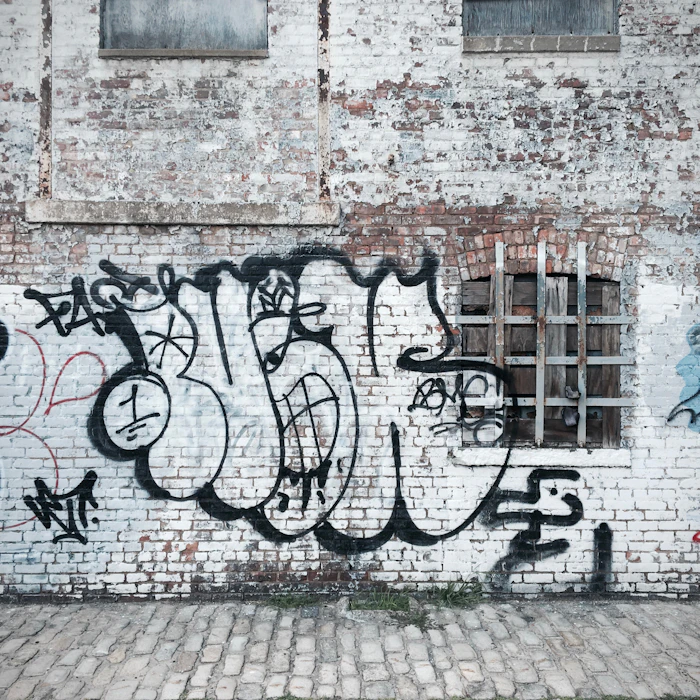
Soiled brick
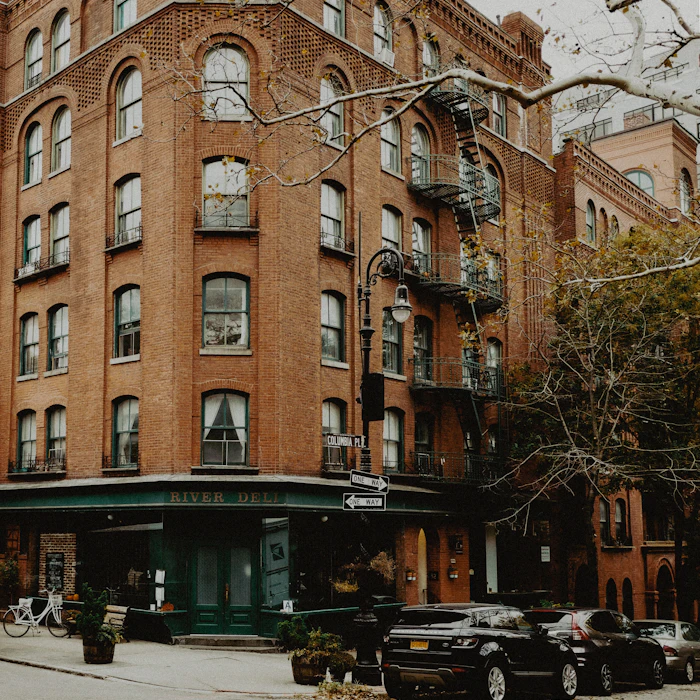
Clean brick
Stains and Coatings We Remove From Manhattan Brick
Each of these needs its own cleaner and its own test before brick cleaning in Manhattan touches the full wall.
Carbon Soot and City Grime
The dark layer that builds up from traffic and old heating systems
Paint and Failed Coatings
Layers that trap moisture and peel, taking the brick face with them
Efflorescence
White salt deposits left as water moves through the wall
Graffiti
Spray paint and markers, removed without ghosting the brick
Rust and Metal Stains
Orange and brown streaks below railings, anchors and fire escapes
Biological Growth
Algae, moss and dark staining on damp, shaded walls
Old Sealers and Silicone
Shiny coatings and smears left by past repairs
Brick Cleaning Methods We Use in Manhattan
Every building gets the gentlest brick cleaning method that does the job. We start mild and only step up if the test panel shows we need to.
| Method | Best For | How It Protects the Brick |
|---|---|---|
| Low Pressure Water and Mild Detergent | General dirt and light grime | Removes soiling without cutting into the brick face |
| Steam Cleaning | Grease, biological growth and stubborn grime | Uses heat instead of pressure to lift buildup |
| Masonry Chemical Cleaners | Carbon soot and heavy staining | Applied, left to work for a set time and fully rinsed away |
| Poultices | Deep set stains like rust and oil | Draws the stain out of the brick as the paste dries |
| Paint Strippers | Paint and coatings | Softens the paint so it rinses off without abrasion |
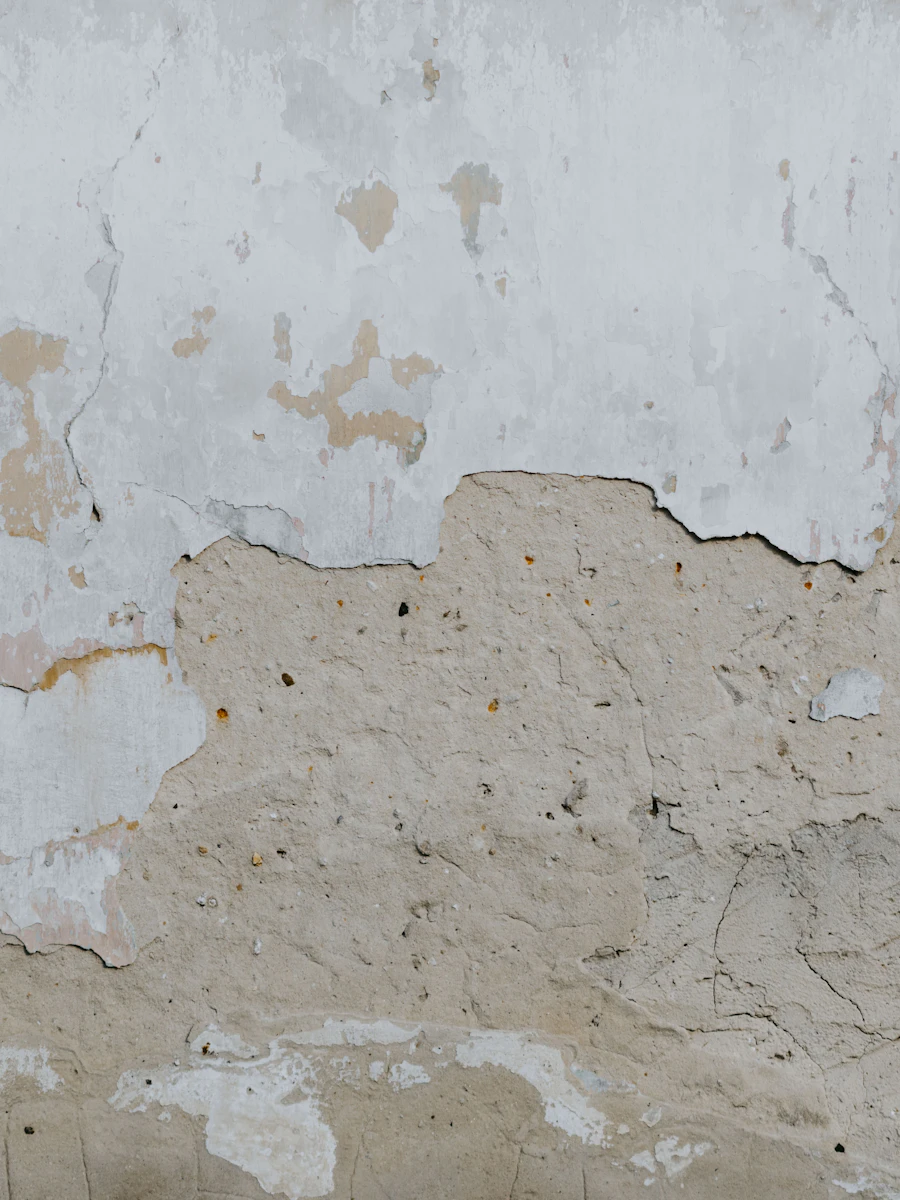
Why We Never Sandblast Brick in Manhattan
Brick has a hard fired outer face that protects its softer core. Sandblasting and other abrasive cleaning strip that face away, leaving the brick pitted, rough and far more likely to absorb water and spall. The damage cannot be undone. Preservation guidance from the National Park Service calls for cleaning with the gentlest means possible, and that is the standard we follow on every building.
Test Panels Before Any Brick Cleaning
No two walls react the same way to cleaning. Before we clean a whole elevation, we try two or three methods on small, out of the way areas, let them dry and review them with you. The full job only starts once you have seen the result on your own brick.
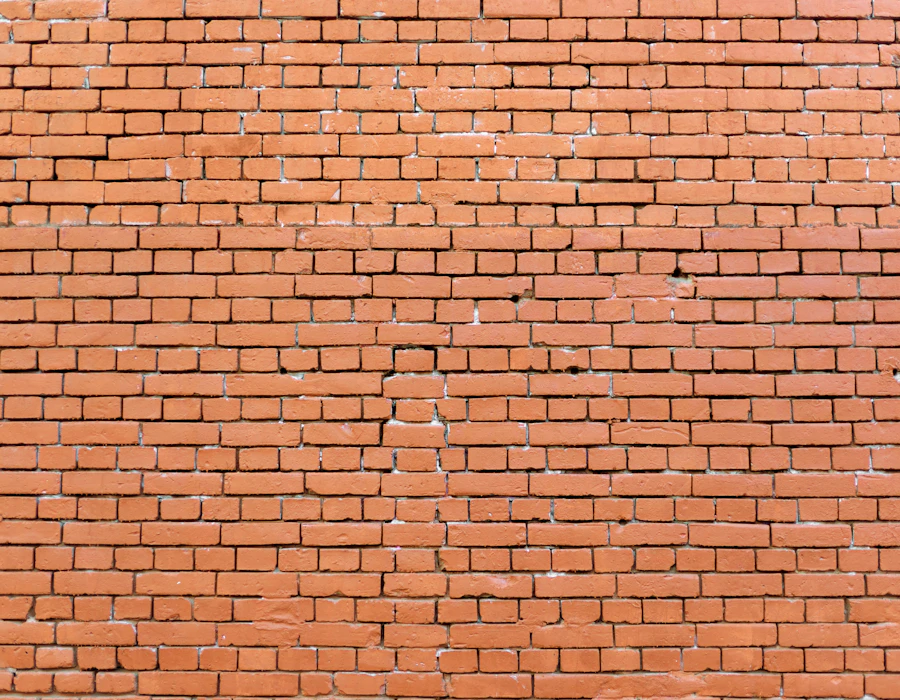
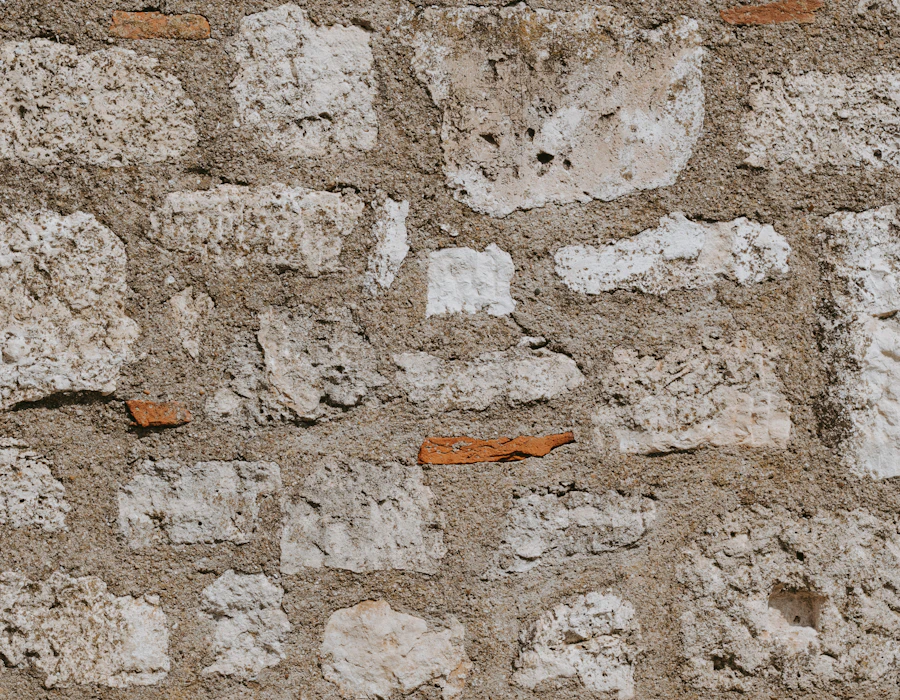
Mild Detergent Brick Cleaning Panel
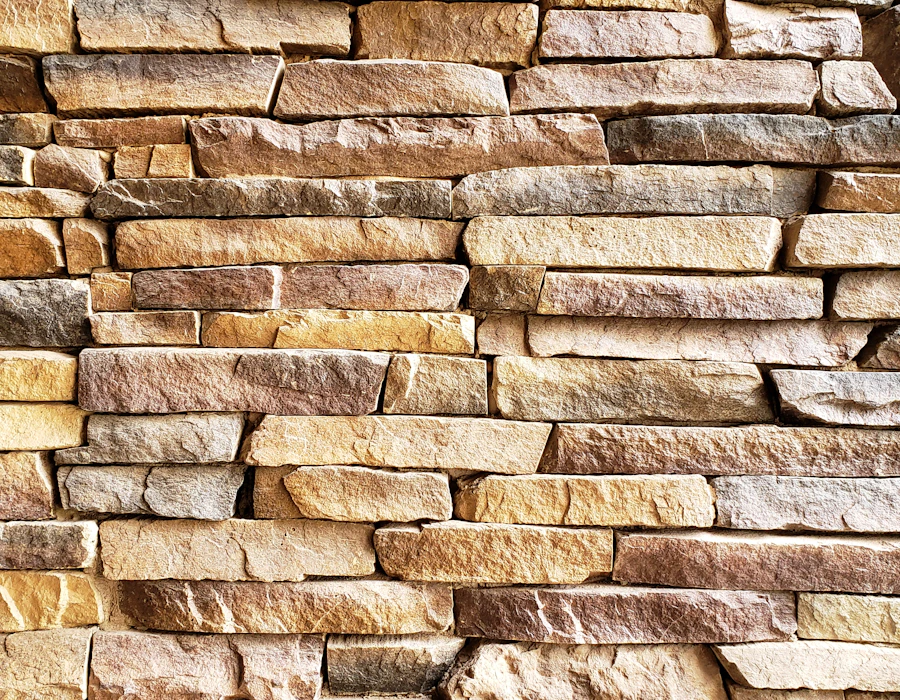
Chemical Brick Cleaning Panel
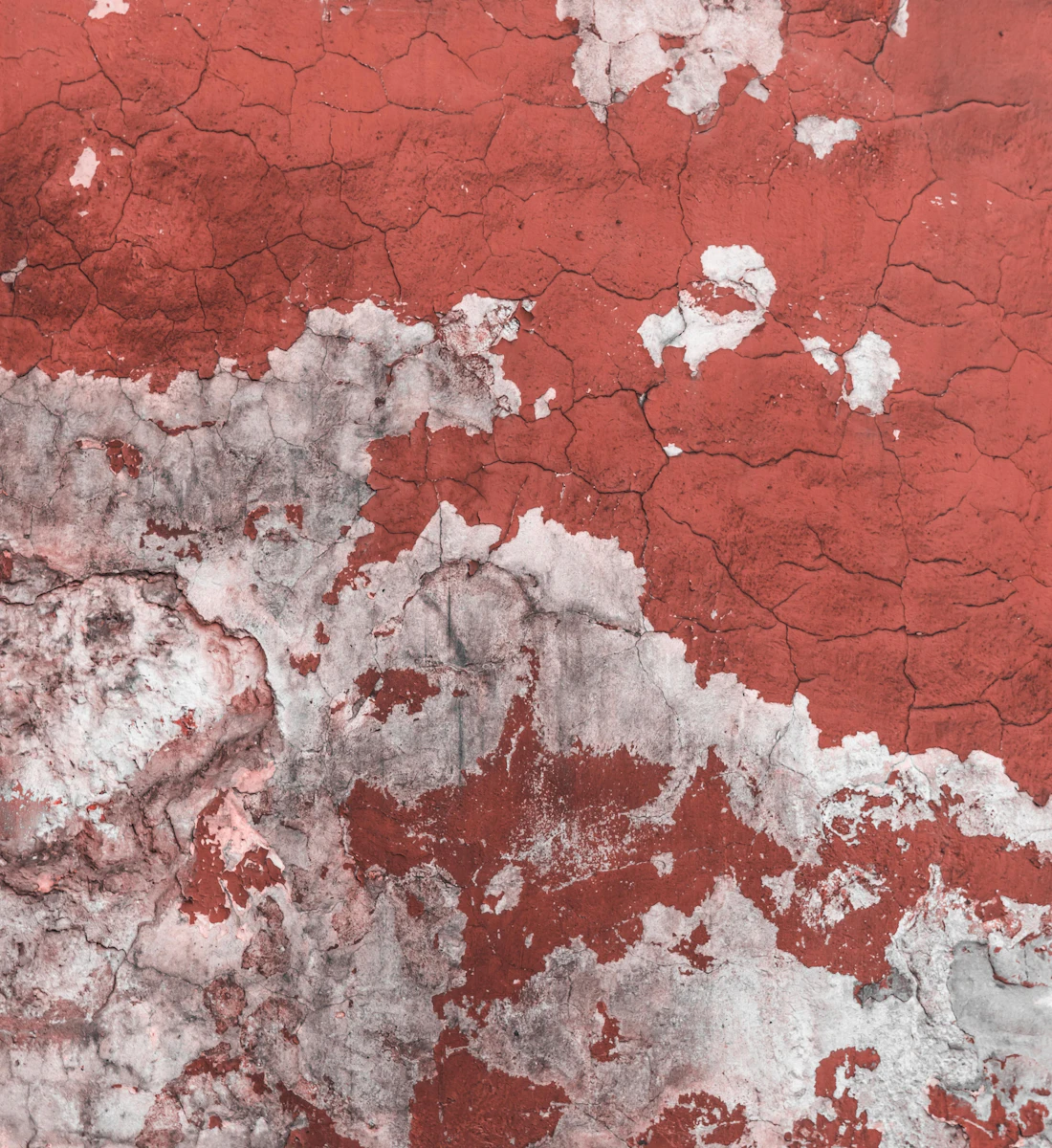
Poultice Stain Removal Panel
Painted Brick Restoration in Manhattan
Paint on brick looks fine for a while, then starts to trap moisture behind it. That trapped water is what makes paint blister and peel, and it can take the brick face off with it. Many Manhattan owners now want the original brick back.
Paint removal is done with strippers matched to the paint type, never by blasting. On some older buildings the brick under the paint was never meant to be exposed, so if the test shows soft or damaged brick, we may recommend a breathable mineral paint instead of stripping.
- Paint removal where the brick underneath is sound
- Breathable repainting where the brick needs protection
Blending Brick Restoration Repairs Into Historic Walls
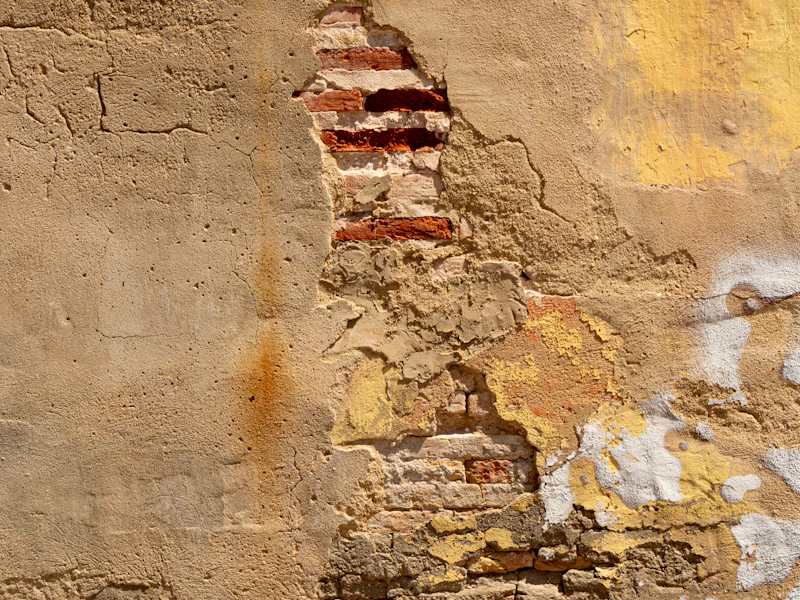
After years of patching, many walls look like a quilt of different bricks and mortars. Brick tinting uses breathable mineral stains to bring mismatched bricks and patches closer to the color of the wall around them, so earlier repairs stop standing out.
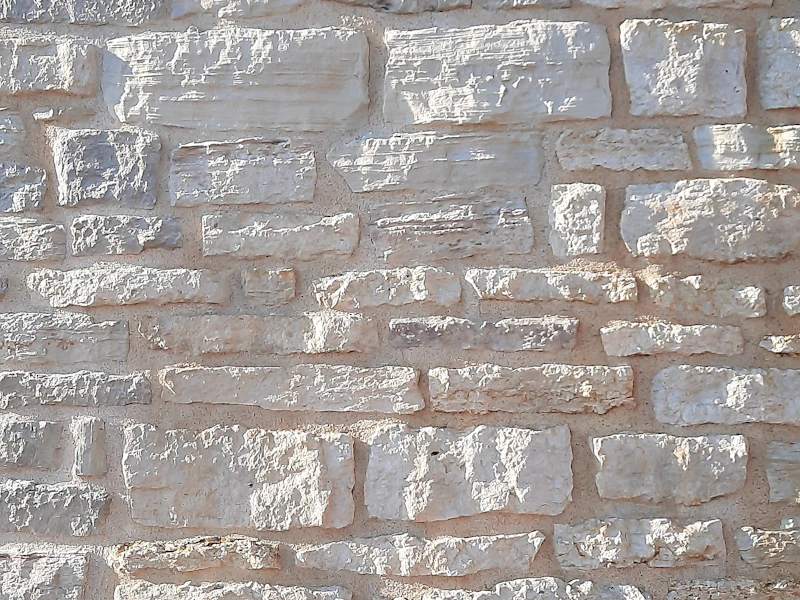
Mismatched patches
Blended tone
Brick Restoration on Manhattan Landmark Buildings
Cleaning, paint removal and tinting on a designated landmark or inside a historic district need approval from the Landmarks Preservation Commission. We prepare test areas and the information the Commission asks for so the approved method is the one used on your building.
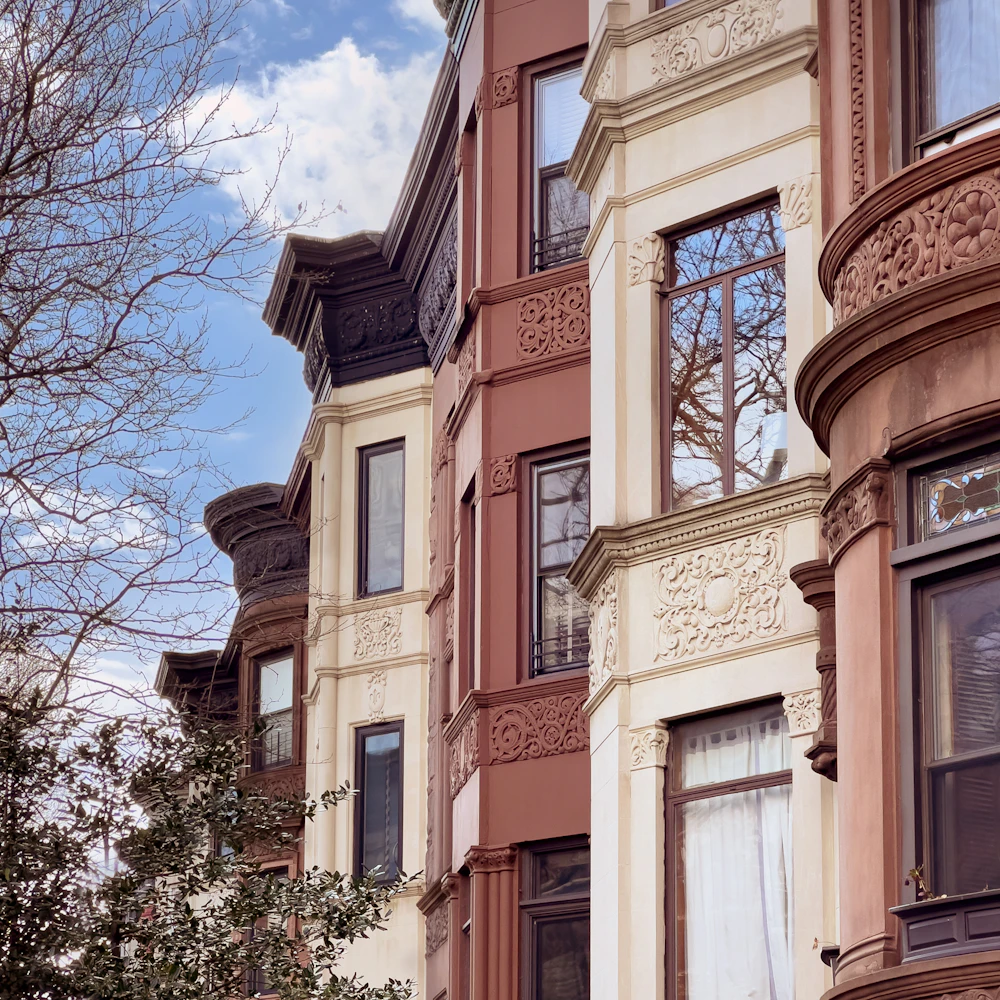
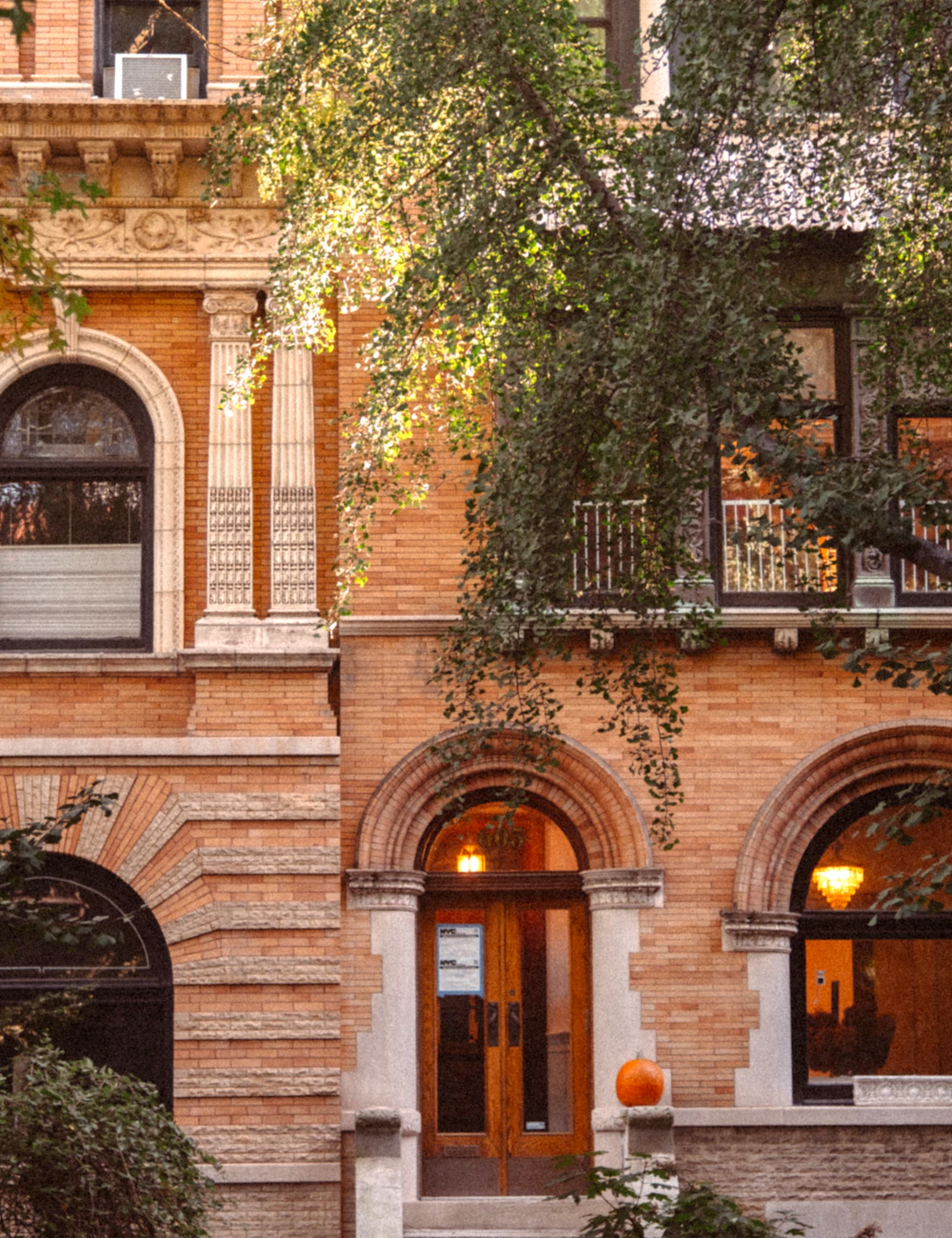
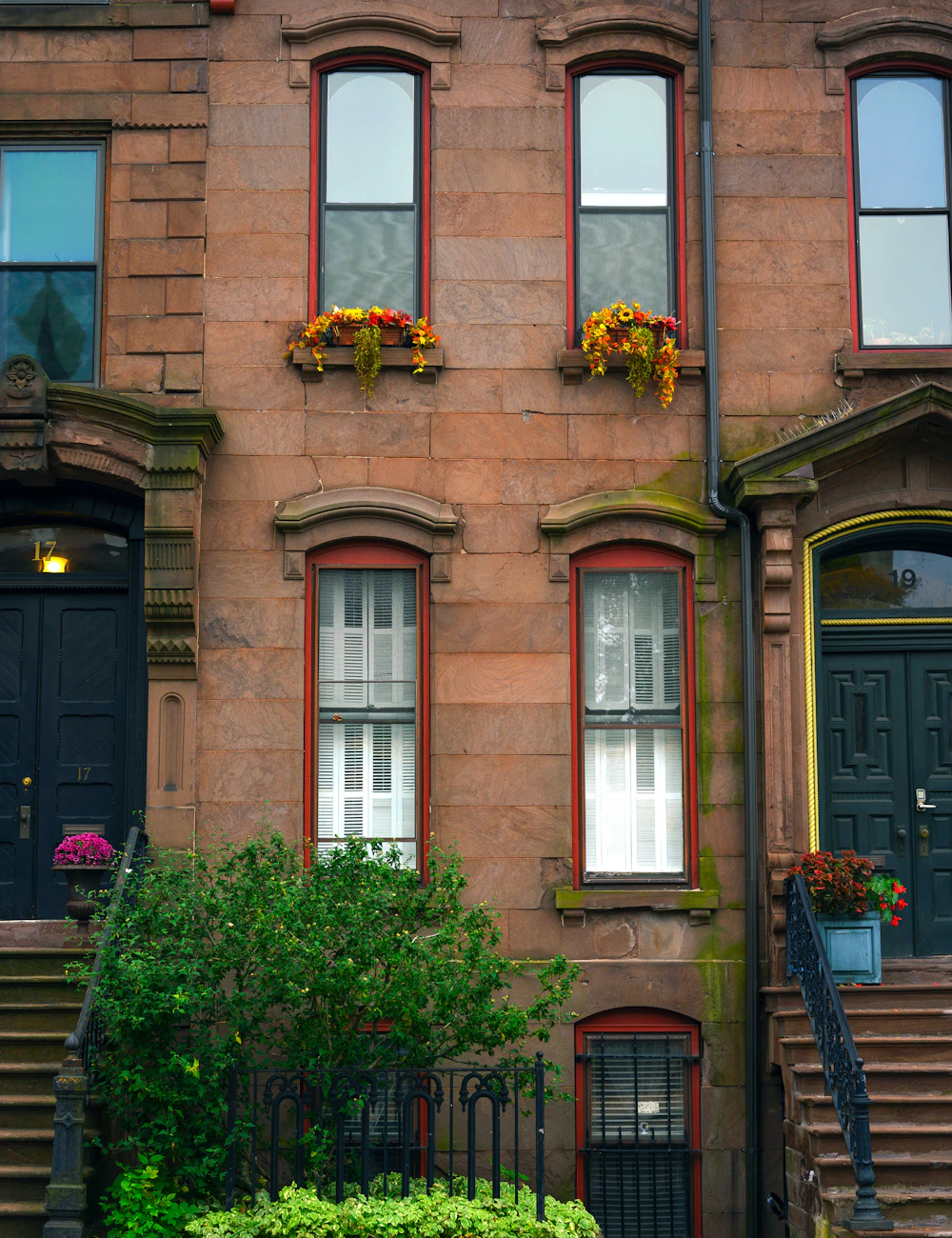
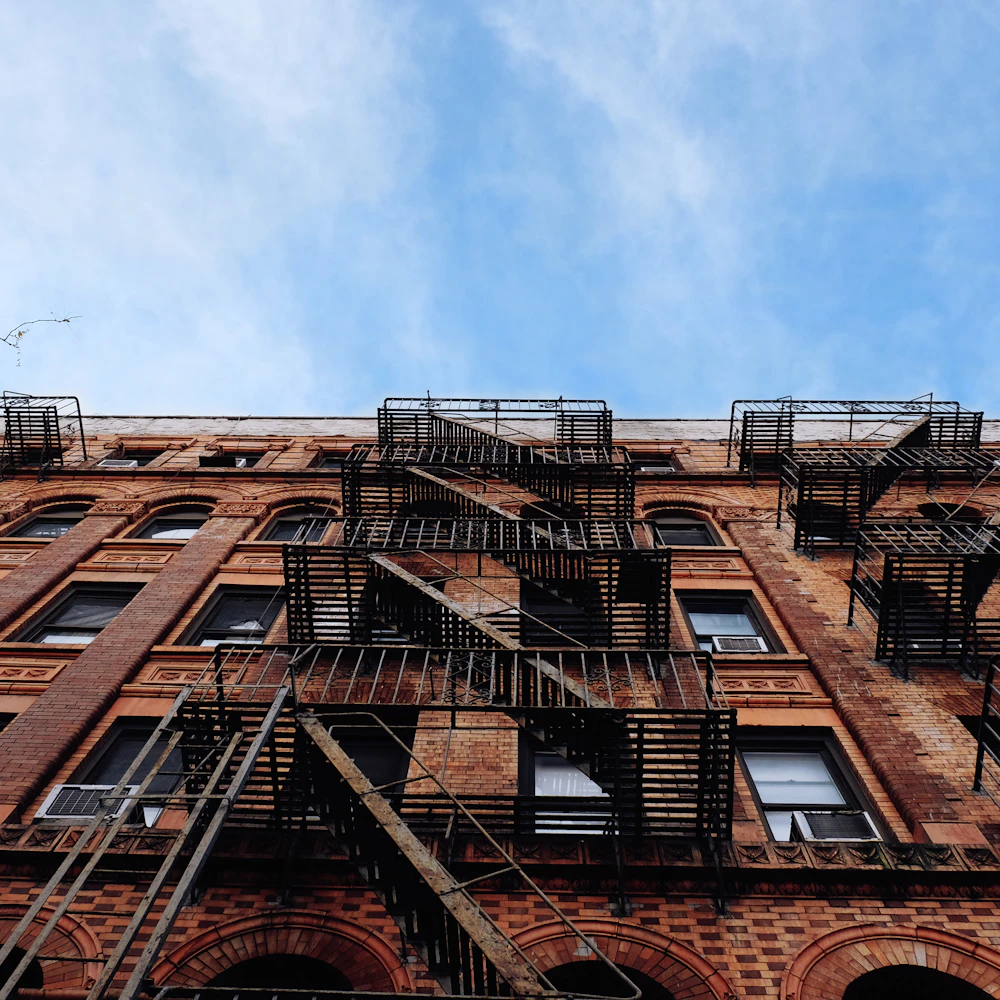
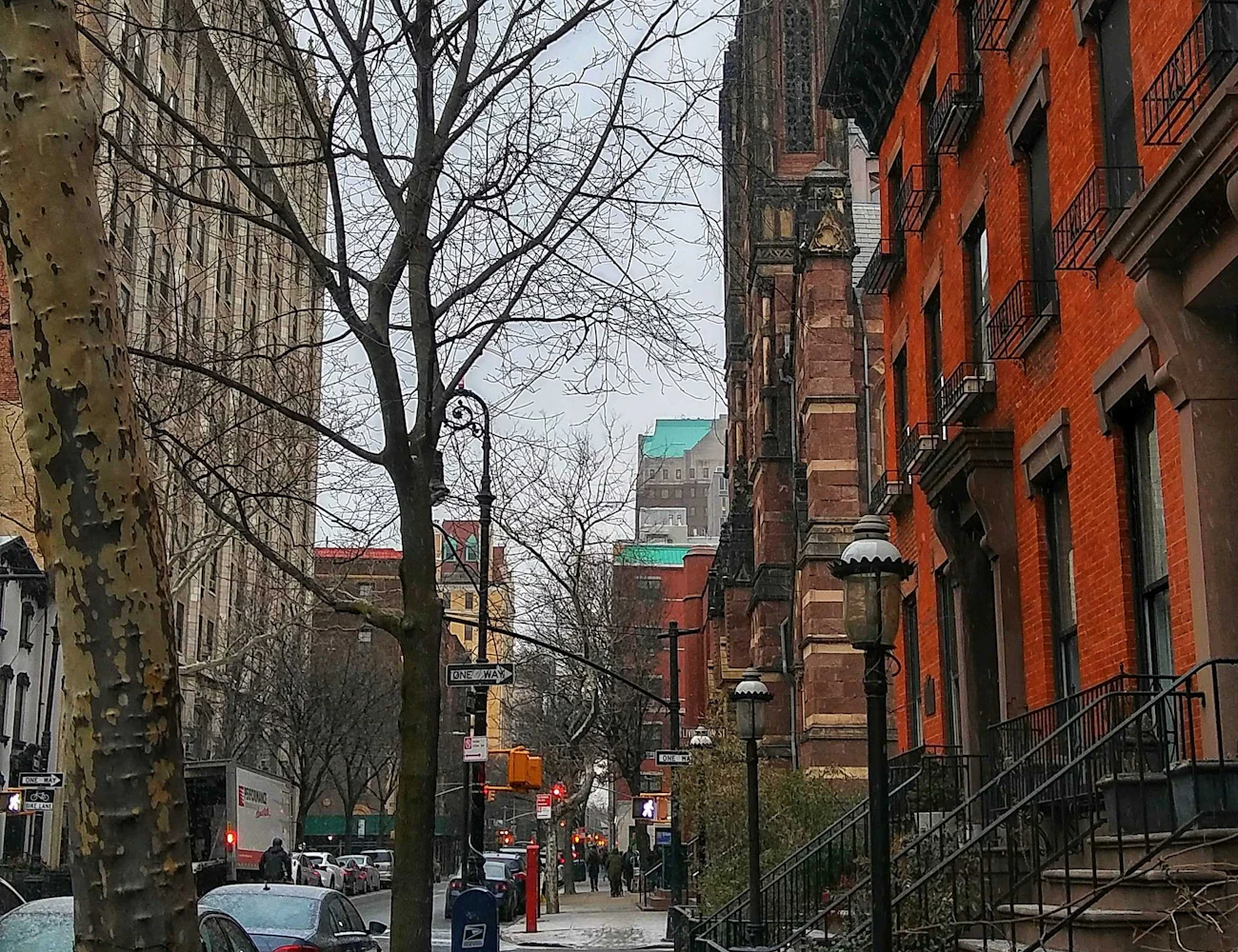
Historic Manhattan Brick Worth Restoring
Brick Restoration Manhattan FAQs
Clear answers about cleaning, paint removal and protecting old brick.
Is pressure washing safe for brick?
High pressure can cut into the brick face and blow out mortar, so we avoid it. Low pressure water with the right cleaner removes most grime safely, and we confirm that with a test panel first.
Can paint be removed from a brick building?
Often, yes. We test strippers on a small area to see how the paint comes off and what condition the brick is in underneath before deciding on removal or repainting.
What are the white stains on my brick?
That white powder is efflorescence, salt left behind as water moves through the wall and dries on the surface. We clean it off, but the lasting fix is stopping the water, which is covered on our Masonry Waterproofing Manhattan page.
Should brick be sealed after cleaning?
Usually not. Most brick walls need to breathe, and a sealer can trap moisture. A breathable water repellent is only worth using on walls with a specific water problem.
Will cleaning damage my mortar joints?
Gentle cleaning should not. It sometimes shows that joints were already failing under the dirt, and those can then be repointed before the wall faces another winter. See Brick Repointing Manhattan for how that works.
Do I need Landmarks approval to clean my building?
Yes, if your building is a designated landmark or in a historic district. The Commission reviews cleaning methods, and we handle the test areas it asks for.
Book Brick Restoration in Manhattan
Send us photos of the wall or call to book a visit. We will look at the brick, talk through the options and set up test panels so you can see the result before the full job begins.
Related Masonry Services in Manhattan
Brick Repair Manhattan
Replacing spalled and cracked brick found during cleaning.
Tuckpointing Manhattan
Bringing back the fine historic joint lines on a clean front.
Masonry Waterproofing Manhattan
Stopping the water behind efflorescence and spalling.