
Stone Facade Repair Manhattan for Limestone, Granite and Terra Cotta
The most admired buildings in Manhattan wear limestone, granite, marble, cast stone and glazed terra cotta. When those fronts crack, spall or lose their anchors, they need masons who know each material. We repair stone facades across Manhattan with patching, dutchman inserts, pinning and unit replacement matched to the original. Our crews are licensed and insured and work on co-ops, condos, institutions and commercial buildings.
What Stone Facade Repair Means in Manhattan
Stone facade repair is the work of fixing cracked, spalled, loose or weathered stone on a building front so it stays safe and keeps its original look. In Manhattan it usually means limestone repair on prewar apartment buildings, terra cotta repair on early skyscrapers and granite or cast stone repair at the base of commercial buildings. The right method depends on the stone, how deep the damage goes and whether the piece is still anchored.
Stone Types We Repair on Manhattan Facades
Each stone weathers in its own way, so each one needs its own repair materials and methods.

Limestone Repair
The pale buff stone on thousands of prewar co-ops and townhouses. Limestone is soft enough to carve and soft enough to erode, so we see sugaring surfaces, rounded edges and cracked sills.
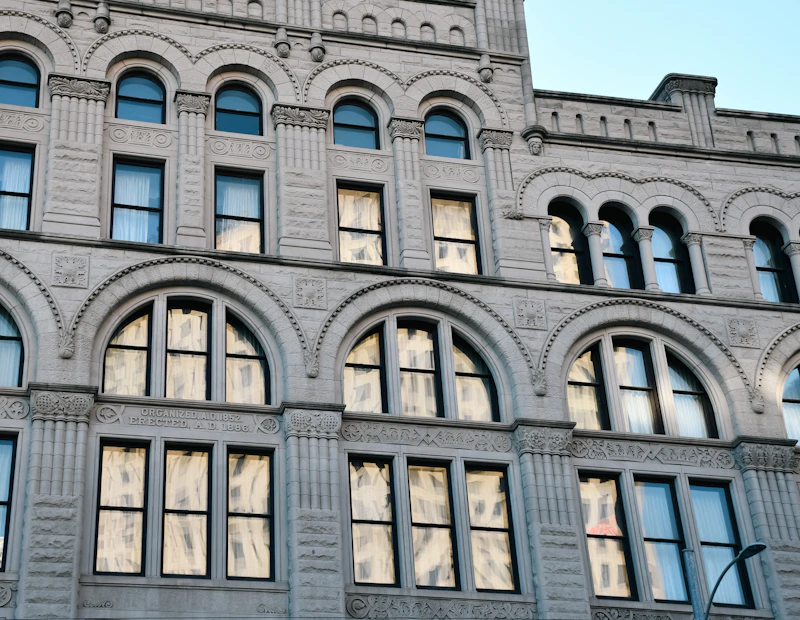
Granite Facade Repair
Very hard and long lasting, often used at building bases and steps. Problems usually come from open joints, failed sealant and rusting anchors rather than the stone itself.
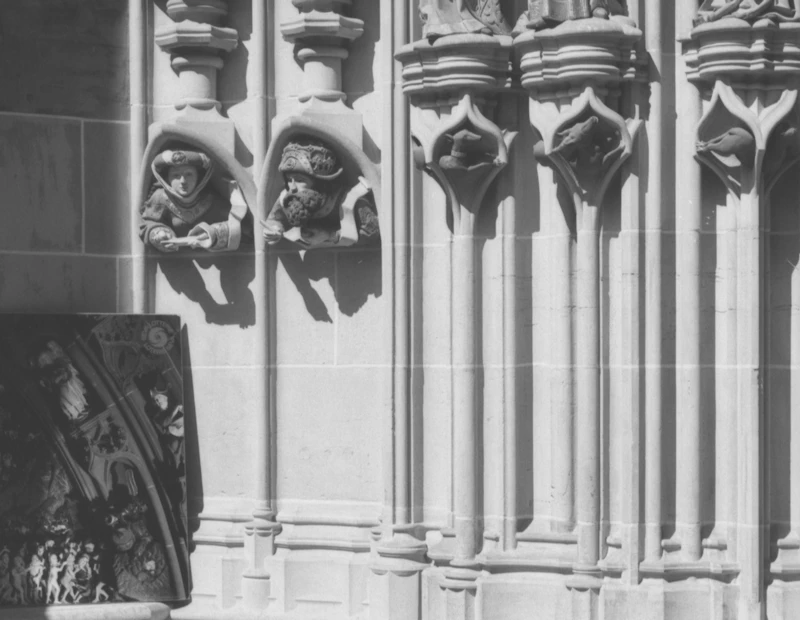
Marble Repair
Found on banks, institutions and lobbies that face the street. Marble dissolves slowly in acid rain and can bow or crack in thin panels.
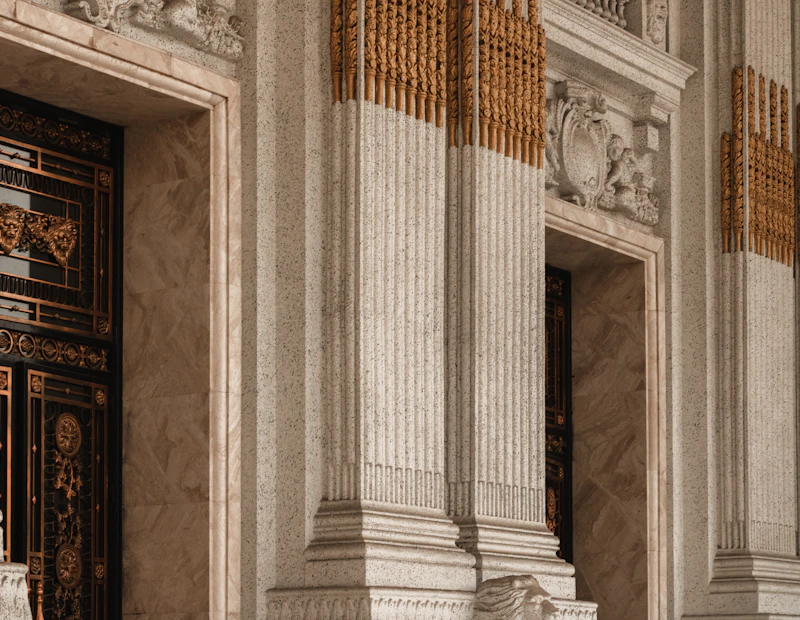
Cast Stone Repair
A manufactured concrete stone used for sills, copings and trim. It cracks and spalls when water reaches the steel inside it.
Terra Cotta Repair
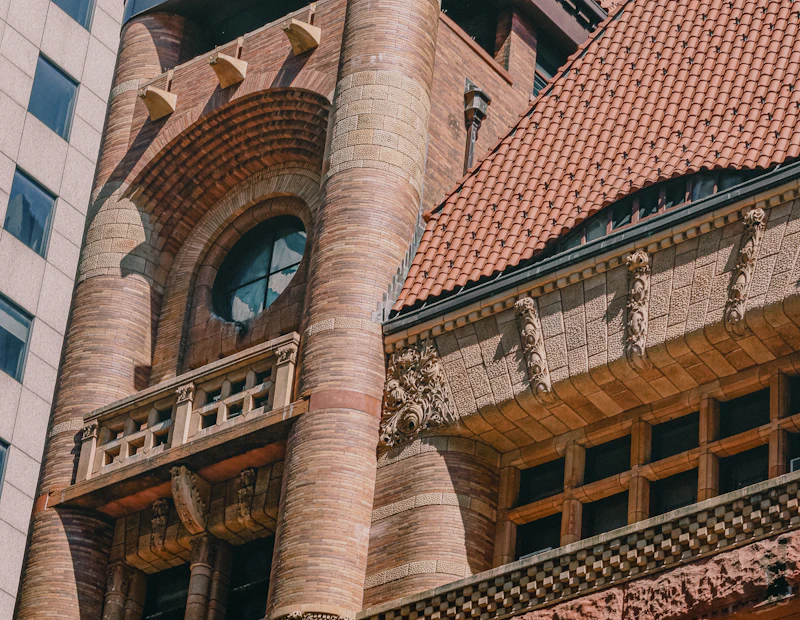
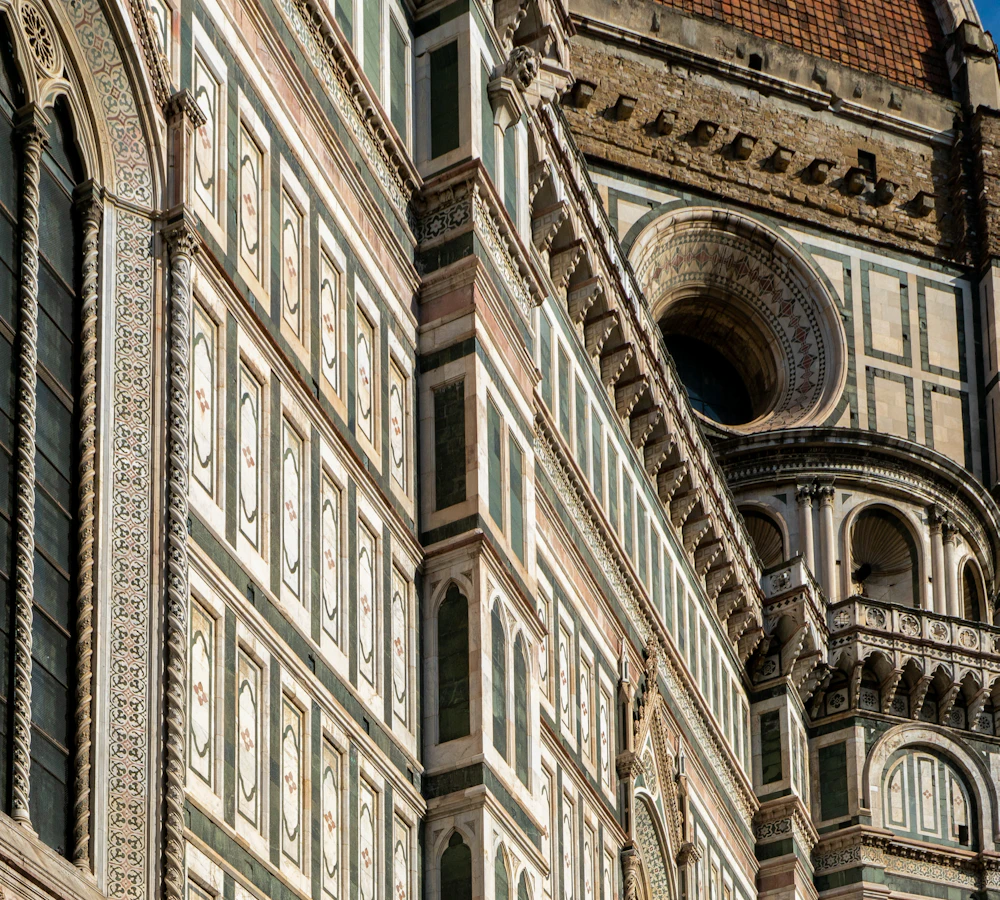
Hollow glazed clay units shaped into cornices, ornament and whole facades. Cracked glaze lets water in, and rusting steel anchors inside push pieces apart.
Brownstone is a sandstone with its own repair methods. See brownstone repair Manhattan.
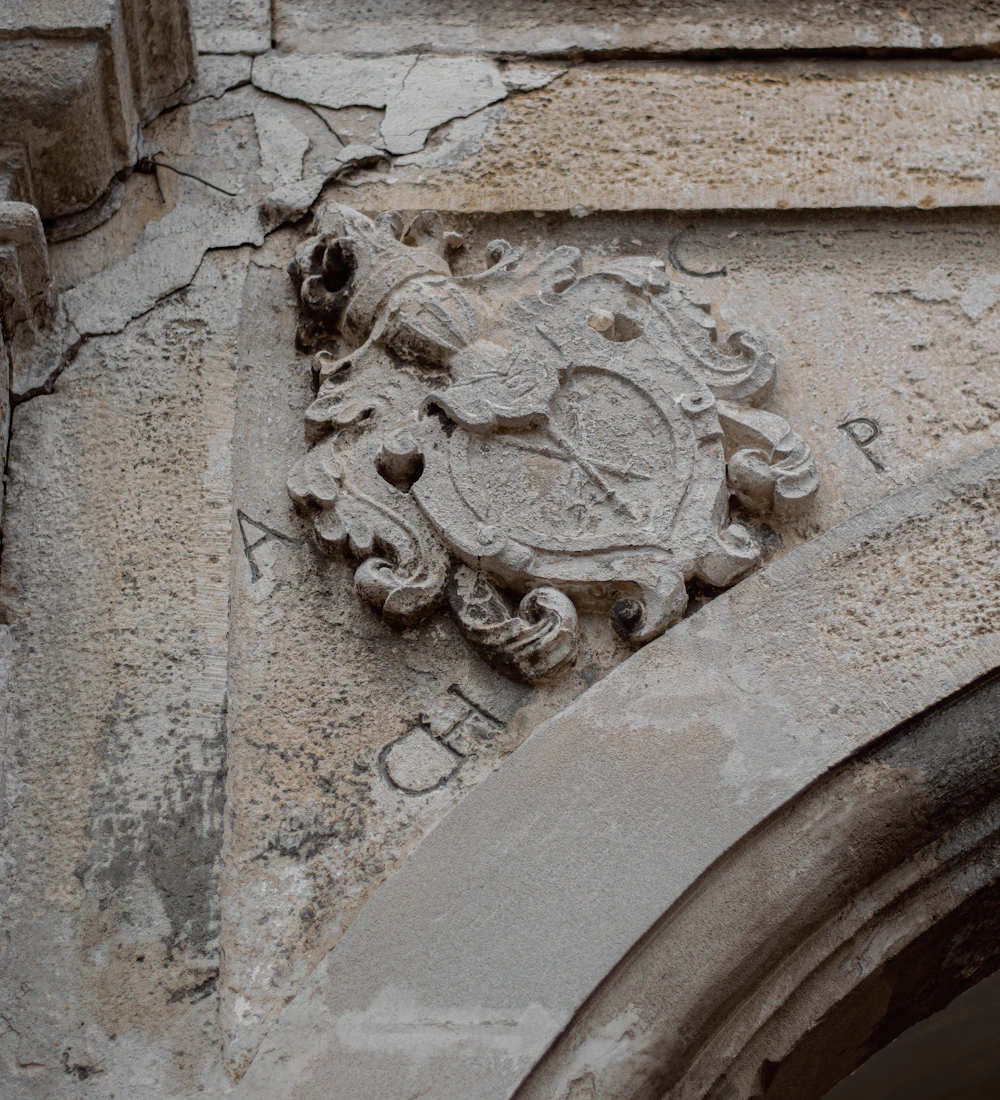
Common Problems That Call for Stone Facade Repair
Most stone failures in Manhattan start with water and steel. Water gets into cracks and joints, freezes and expands, and hidden iron anchors rust and swell.
Spalling
Pieces of the face break away, leaving sharp edges and pockets that hold more water.
Cracks Through the Unit
Cracks that run through a stone or terra cotta block can let pieces fall if they are not pinned.
Crazed or Missing Glaze
Fine cracks in terra cotta glaze let water into the clay body behind it.
Corroded Anchors
Old iron cramps and anchors rust inside the wall, pushing stone outward and staining the face.
Open Joints and Failed Sealant
Gaps between units let water run behind the stone and into the backup masonry.
Failed Old Patches
Hard cement patches from past repairs crack loose and trap moisture against the original stone.
Stone Facade Repair Methods We Use in Manhattan
Good stone repair keeps as much original material as possible. We choose the least invasive method that will last.
| Method | When It Fits | What It Involves |
|---|---|---|
| Restoration mortar patching | Shallow spalls and small losses on limestone, cast stone or terra cotta | Cut back to sound stone, add small anchors where needed, then build up a mineral patching mortar matched in color and texture |
| Dutchman repair | Deeper damage on one part of a stone that is otherwise sound | Cut out the damaged area and set a new piece of matching stone into the opening |
| Pinning and crack stitching | Cracked units that are still in place | Drill and set stainless pins or rods with injected adhesive to hold the pieces together |
| Re-anchoring and resetting | Units that have moved or have rusted anchors | Remove the unit, replace the anchors with stainless steel and reset it in a fresh bed |
| Unit replacement | Stones or terra cotta pieces too damaged to save | Replace with new stone, new terra cotta, cast stone or a lightweight GFRC copy shaped to match |
| Glaze repair | Crazed or worn terra cotta glaze | Clean and seal fine cracks, then apply a breathable coating that matches the original color |
| Repointing and sealant renewal | Open or eroded joints between units | Rake out and repoint with a lime-rich mortar, or renew sealant at copings and expansion joints |
Dutchman Stone Repair Explained
A dutchman is a piece of new stone fitted into an existing stone where damage was cut away. It keeps the rest of the original unit in place and lasts far longer than a large patch.
Cut Out the Damage
The broken or weathered area is cut back to a clean, square pocket in sound stone.
Fit a Matching Piece
A new piece of the same stone type, color and grain is cut to fit the pocket tightly and set with anchors and a setting mortar.
Dress and Blend
The face is tooled to the original profile and finish so the repair reads as part of the stone.
Matching Stone for Limestone Repair in Manhattan
A repair that does not match draws the eye to the damage instead of hiding it. Matching starts before any stone is cut.
Identify the Stone
We confirm the stone type and finish on site. Much of Manhattan limestone is Indiana limestone, which is still quarried today.
Make Samples
Patching mortars are mixed and cured as small samples so you can compare them to the wall in daylight.
Approve Before Work
The full repair starts only after you, your architect or the Commission approve the sample or mock-up.
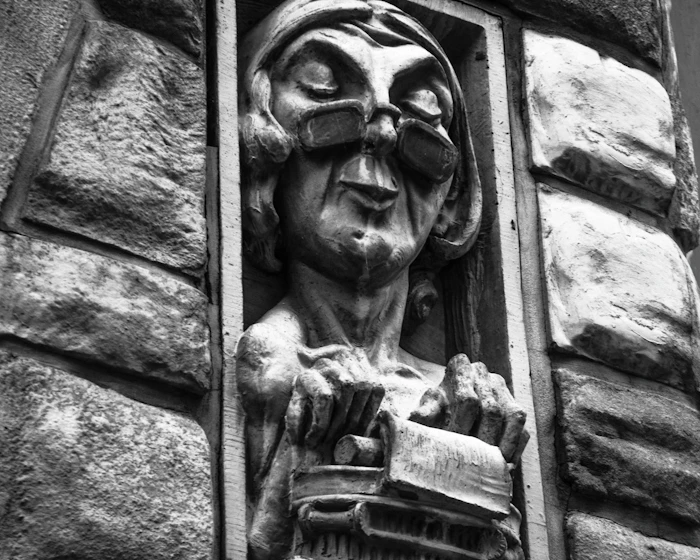
Carved stone ornament
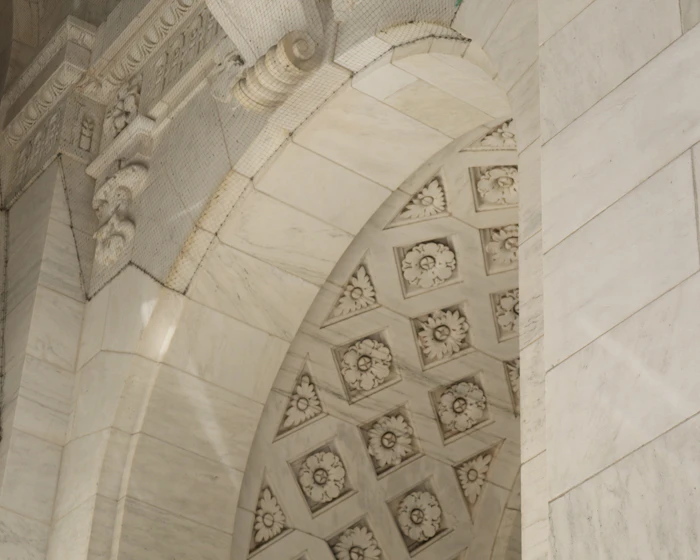
Fine limestone detail
Our Stone Facade Repair Process Step by Step
Every stone facade repair in Manhattan follows the same six steps, from first touch to final photo.
Hands-On Stone Survey
Masons sound each stone by hand from scaffold or rigging and map every crack, spall and loose unit.
Stone Repair Plan
Each condition gets a method, a material and a location on the elevation drawing.
Samples and Mock-Up
Matching mortars and replacement pieces are approved before production work starts.
Protect and Access
Sidewalk protection, scaffold or rigging go up, and windows and roofs are covered.
Repair and Replace Stone
Crews patch, pin, insert dutchman pieces and reset or replace units as planned.
Finish and Document
Repairs are cleaned, joints are pointed and you receive photos of every completed area.
Terra Cotta Repair NYC Landmarks Require
Many Manhattan stone and terra cotta buildings sit in historic districts or are individual landmarks. Repairs that change materials, color or detail need approval from the Landmarks Preservation Commission before work begins.
For scopes driven by a Local Law 11 report, see facade repair Manhattan.
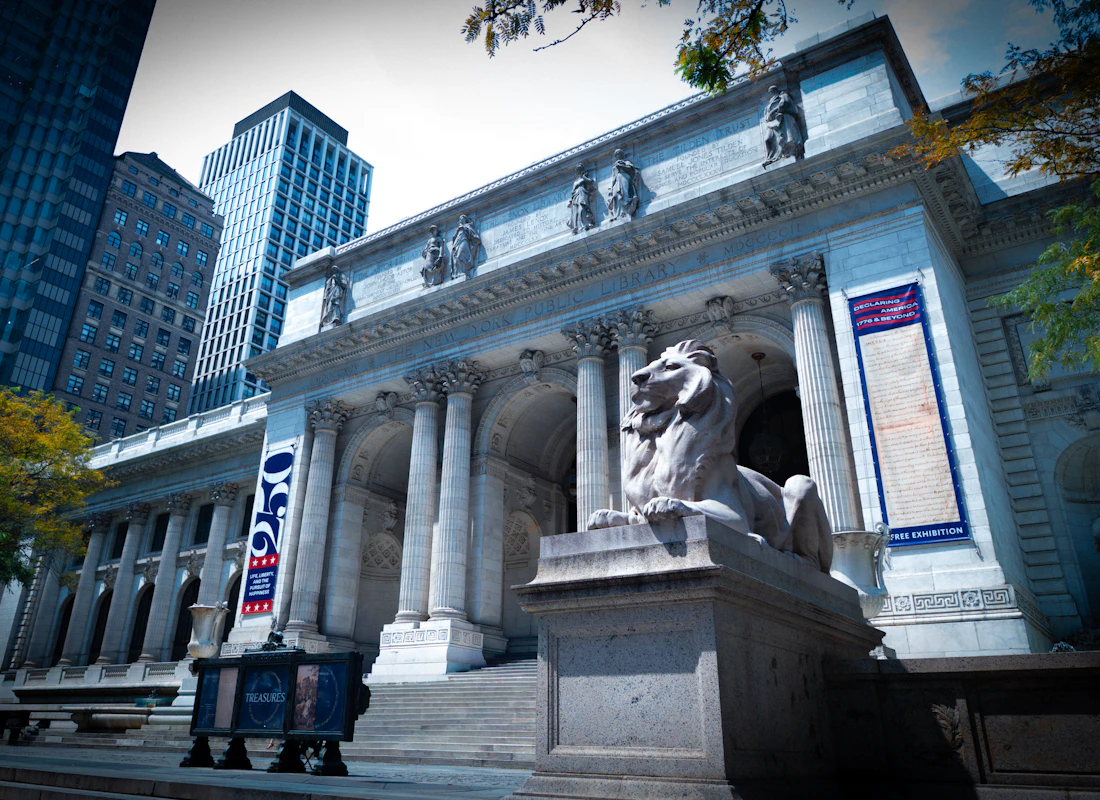
Landmark Approvals Handled With Care
We prepare samples, mock-ups and material details for your architect to submit, and we follow the approved method on every repair so the finished work matches what the Commission signed off on.
Cast Stone and Granite Facade Repair Across Manhattan
Stone fronts appear on every kind of Manhattan building. These are the ones we work on most.
Prewar Limestone Co-ops
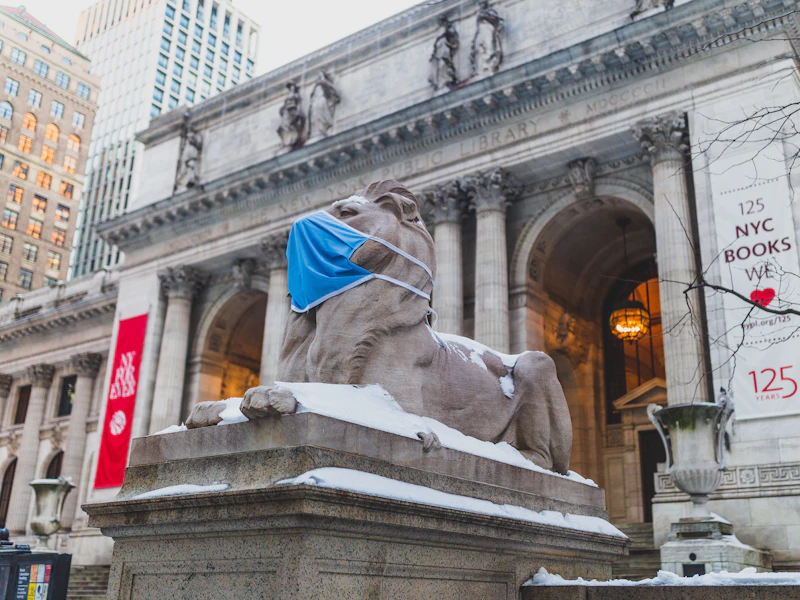
Limestone bases, sills and cornices on apartment buildings along Fifth Avenue, Park Avenue, Riverside Drive and West End Avenue.

Beaux-Arts Townhouses and Mansions
Carved limestone and marble fronts on the Upper East Side and around Central Park.
Terra Cotta Towers and Lofts
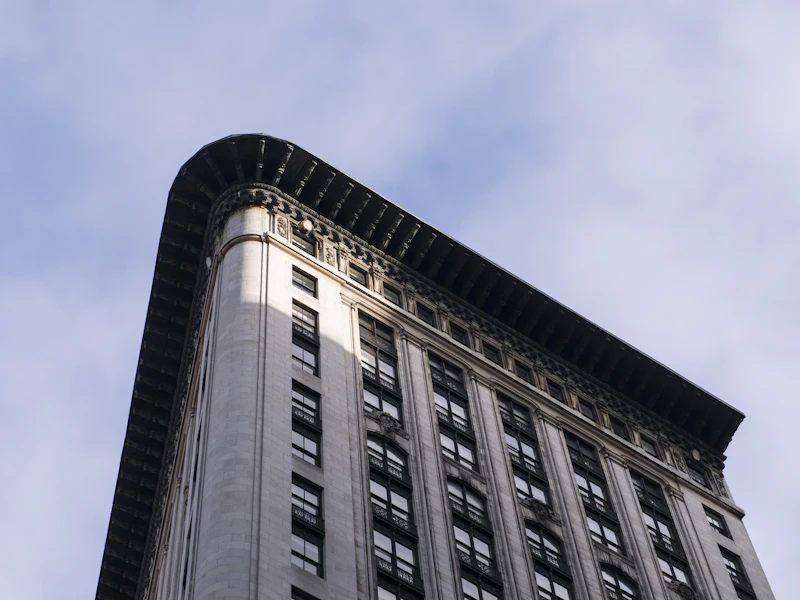
Glazed terra cotta skins and ornament on early high-rises and loft buildings in Midtown, the Flatiron area and SoHo.

Commercial and Institutional Buildings
Granite bases, cast stone trim and marble entrances on banks, schools, churches and office buildings downtown and in Harlem.
Stone Facade Repair Manhattan FAQs
Answers about limestone, terra cotta and stone repair for Manhattan owners and boards.
Is patching or a dutchman better for damaged limestone?
Patching works well for shallow losses and small areas. A dutchman is better when the damage is deep or the area is large, because new stone outlasts a thick patch.
Can broken terra cotta be replaced with something lighter?
Yes. Where original terra cotta cannot be made again at a fair cost, pieces can be copied in cast stone or glass fiber reinforced concrete shaped and colored to match, with your architect approval.
Why is my limestone stained brown or orange?
Rust stains usually come from iron anchors or cramps corroding inside the wall. The anchor needs to be replaced, or the stain and cracking will keep coming back.
Do stone facade repairs need a sidewalk shed?
Work above a public sidewalk usually needs overhead protection. We plan the shed or other protection with the access equipment so both come down as soon as the repairs are done.
How long does a stone patch last?
A well-made mineral patch on sound stone can last many years. It lasts longest when the cause of the damage, such as water entry or rusting steel, is fixed at the same time.
Can you clean stone before repairing it?
Yes. Gentle cleaning is often the first step so the true color of the stone shows and repairs can be matched to it. We test cleaning methods on a small area first.
Get a Stone Facade Repair Manhattan Estimate
Send us photos of the stone or your facade report and we will inspect the front up close and give you a written plan for every repair.
Related Masonry Services
Stone work often pairs with these Manhattan masonry services.