Masonry Contractor in Manhattan
From a cracked parapet on a Harlem walk-up to a full facade program on a Midtown co-op, our licensed and insured masonry contractor team handles brick, brownstone and stone repair across Manhattan. One crew, one written scope and one point of contact from the first walk-through to the final cleanup.


What a Masonry Contractor in Manhattan Does
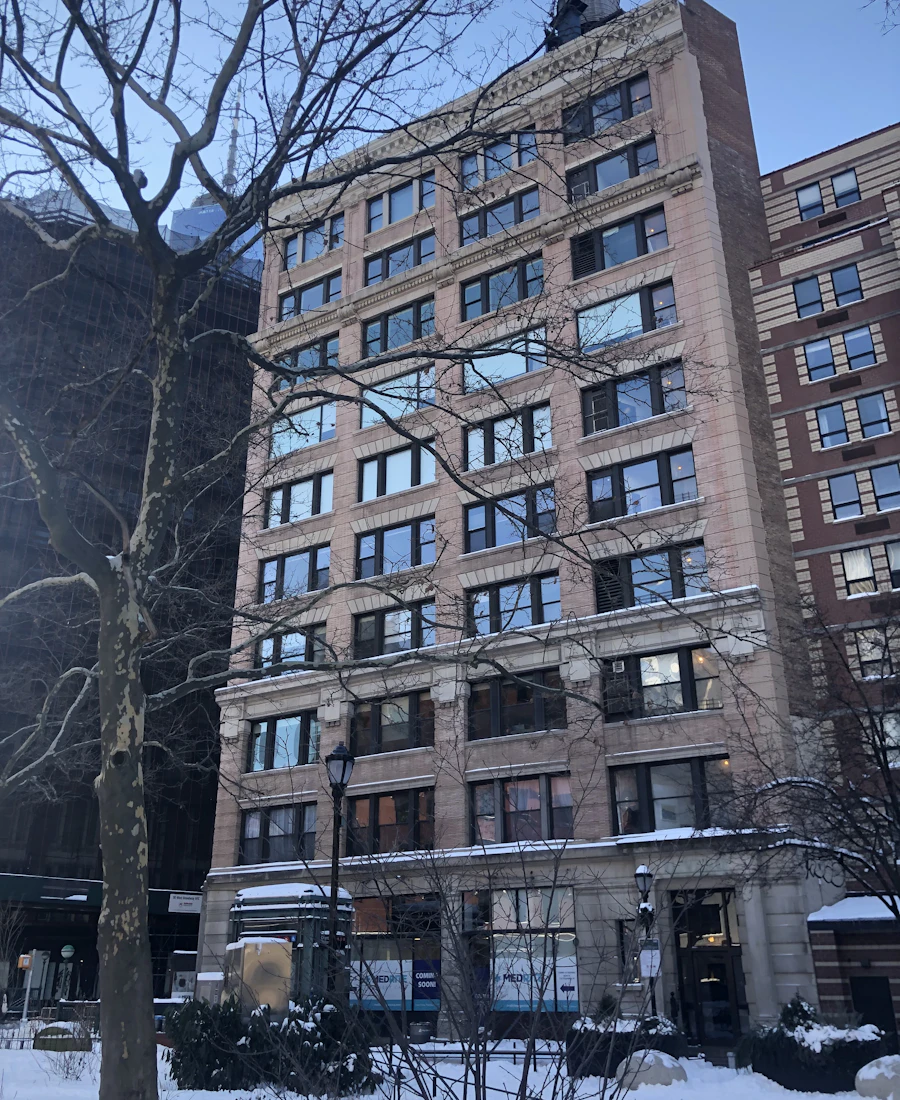
A masonry contractor repairs and rebuilds the brick, stone and mortar that make up a building’s walls. In Manhattan that usually means fixing worn mortar joints, replacing damaged brick, restoring brownstone, rebuilding parapets and chimneys, replacing rusted lintels and stopping water from getting into the wall. It also means planning the scaffolding, permits and approvals that dense city blocks require.
- Mortar joint repair and pointing
- Brick and brownstone repair
- Facade and structural masonry
- Water protection for masonry walls
Masonry Services Manhattan Property Owners Count On
Every masonry service below has its own page with the full details. Start with the group that matches what you are seeing on your building.
Pointing and Mortar Joint Masonry Services
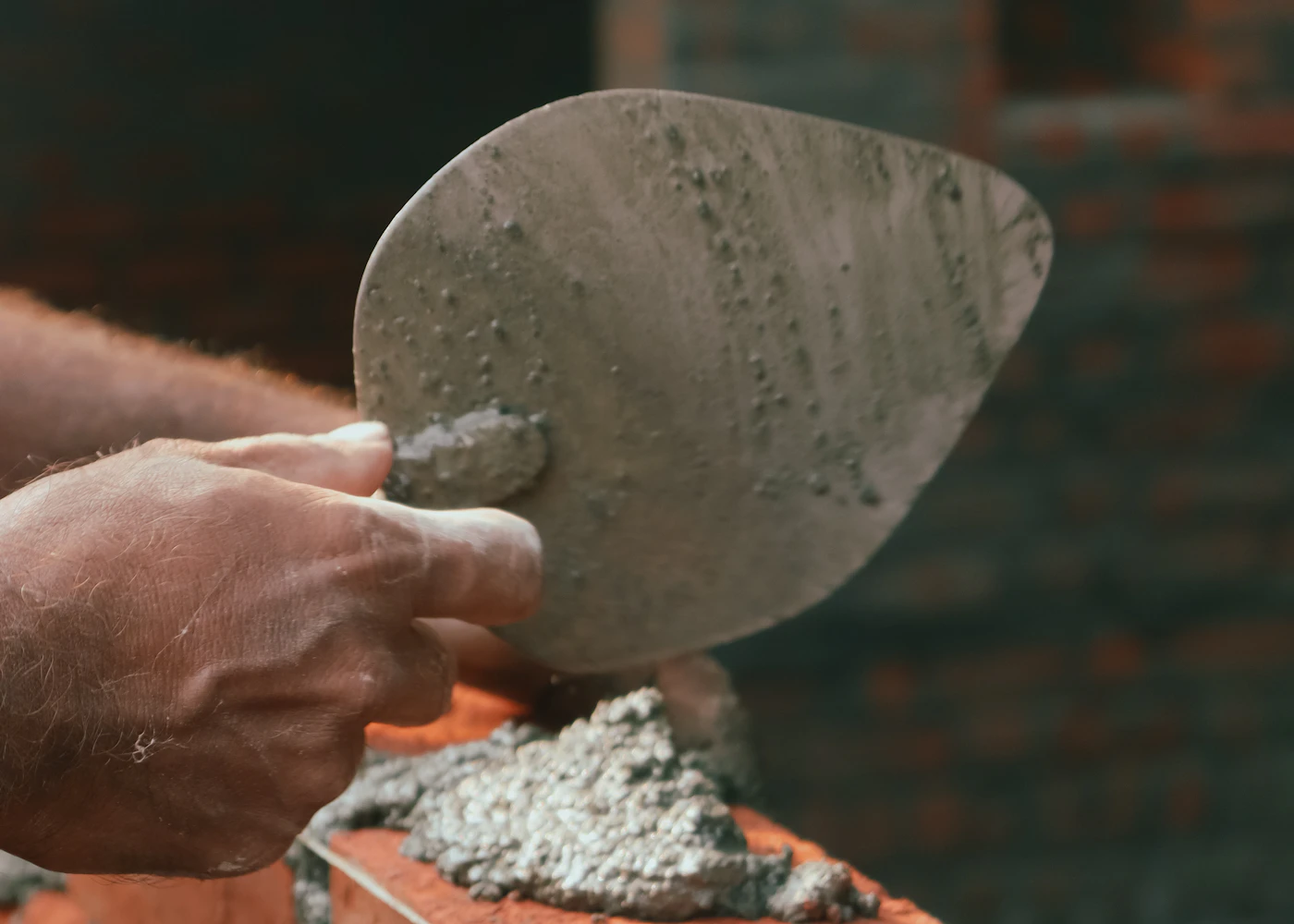
Mortar is the first part of a wall to wear out, and it is meant to be. Replacing it on time keeps water out and protects the brick.

Brick and Brownstone Repair
Spalled faces, cracked units, painted or stained walls and crumbling brownstone need hands that know old materials.
Facade and Structural Masonry
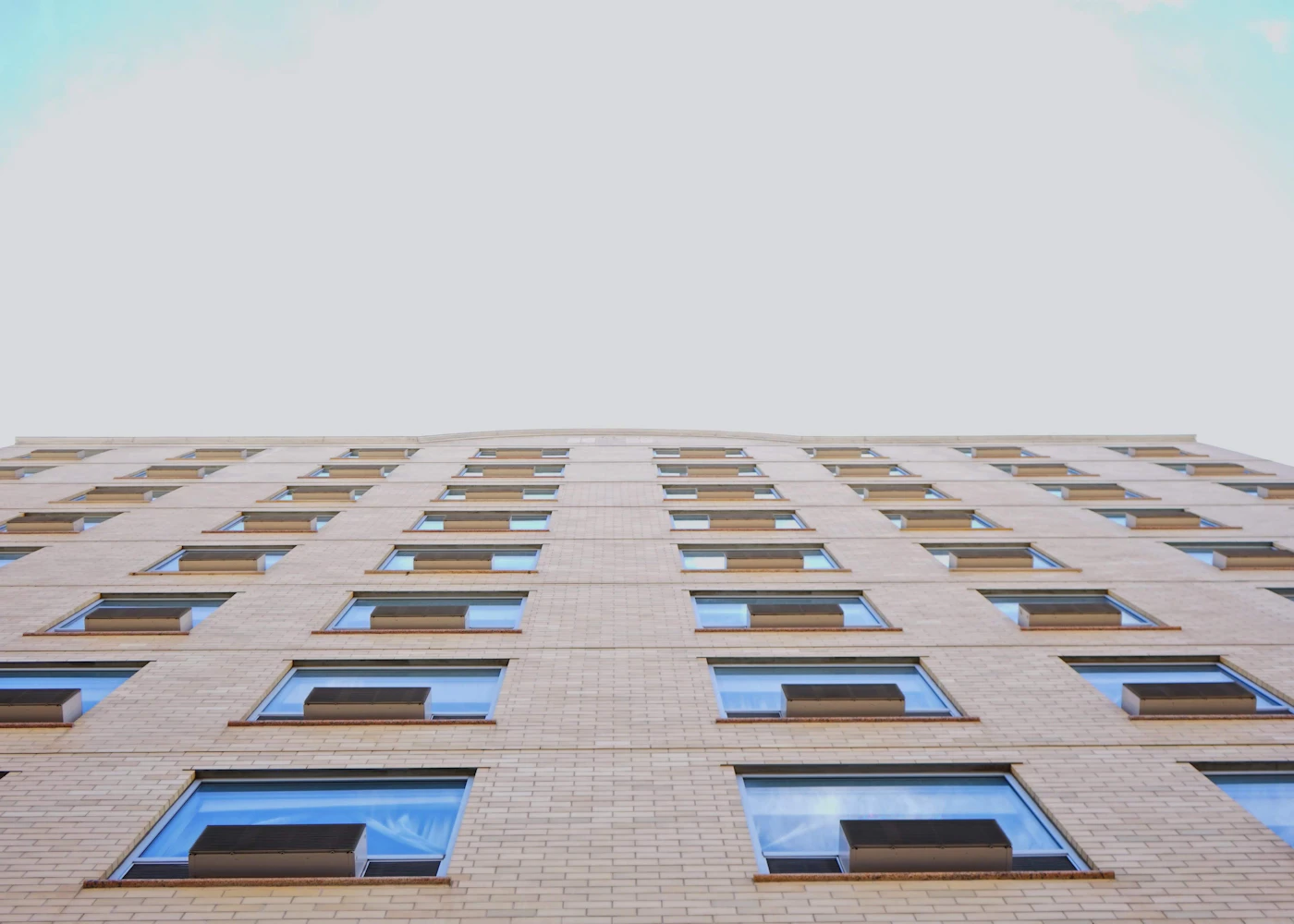
The parts of a building that hold weight or sit high above the sidewalk carry the most risk and get the most attention from inspectors.
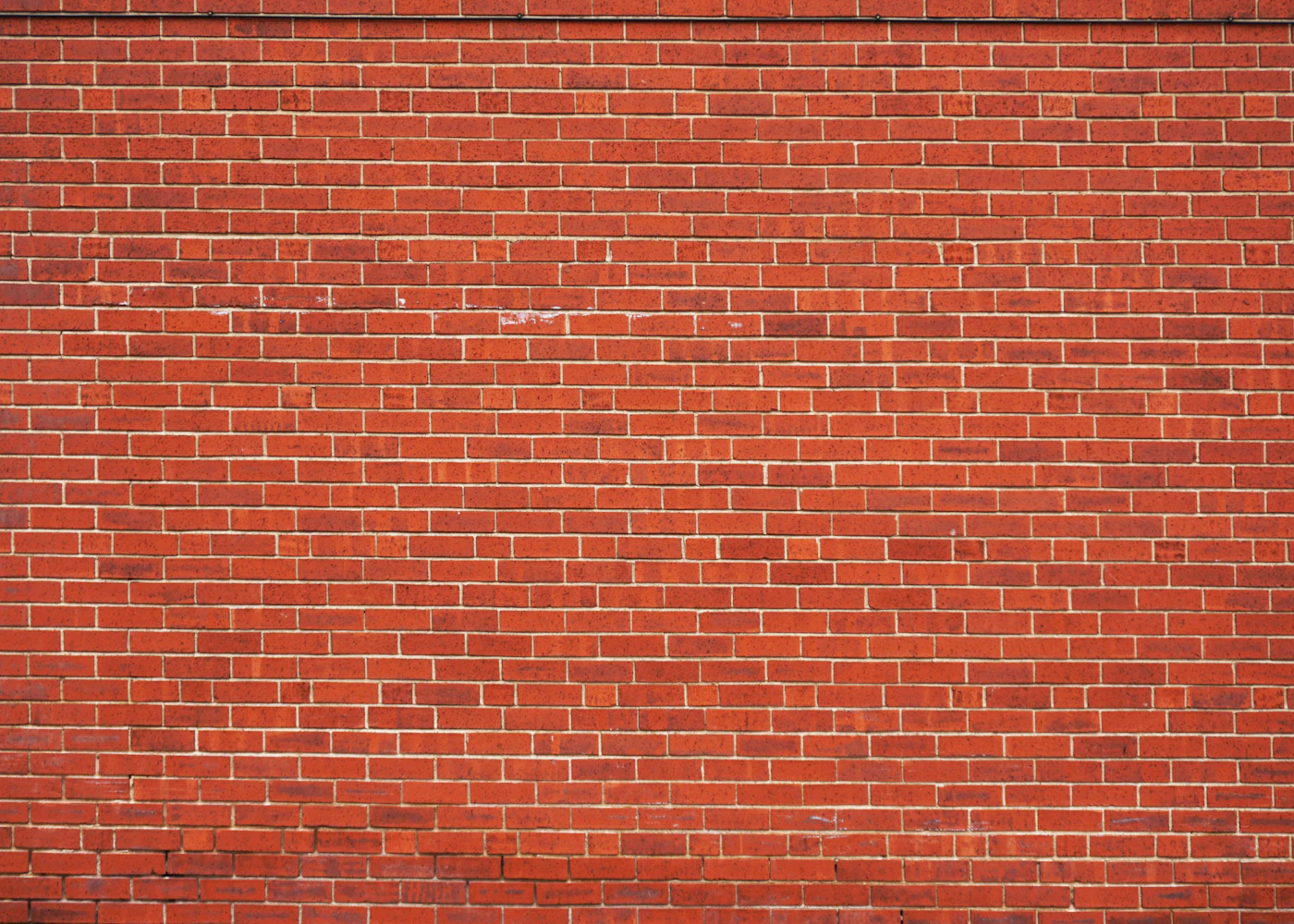
Masonry Waterproofing and Water Protection
Most masonry damage starts with water. Stopping it at the source protects every repair you make.
Which Masonry Repair Does Your Manhattan Building Need
Match what you see on the wall to the most likely cause and the service that fixes it. A walk-through confirms the scope, but this is where most Manhattan jobs start.
| What You See | Most Likely Cause | Service That Fixes It |
|---|---|---|
| Mortar sitting back from the brick face or turning to sand | Joints worn out by weather and age | Brick Repointing Manhattan |
| Fine contrasting joint lines worn away on a historic front | Lime putty ribbons eroded over decades | Tuckpointing Manhattan |
| Brick faces flaking, popping off or cracked through | Water freezing inside the brick | Brick Repair Manhattan |
| Paint, soot or old coatings trapping moisture in the wall | Wrong coatings and years of city grime | Brick Restoration Manhattan |
| Brownstone crumbling, peeling in layers or patched in gray | Stone face delaminating from weather | Brownstone Repair Manhattan |
| Bricks lifting or cracking above windows | Steel lintel rusting and expanding | Lintel Replacement Manhattan |
| Loose bricks, open joints or leaning wall at the roof line | Parapet exposed to weather on both sides | Parapet Wall Repair Manhattan |
| Cracked crown, loose brick or stains around a chimney | Heat, frost and water at the top of the stack | Chimney Repair Manhattan |
| Damp interior walls, stains or leaks after rain | Water getting through joints, copings or flashing | Masonry Waterproofing Manhattan |
| Unsafe or SWARMP items on a FISP report | Facade conditions found by your QEWI | Facade Repair Manhattan |
| Cracked, spalled or stained limestone, granite or terra cotta | Water and rusting anchors inside the stone | Stone Facade Repair Manhattan |
| Brick or stone loose or falling over the sidewalk | Failed joints, ties or anchors at the point of collapse | Emergency Masonry Repair Manhattan |
Brick, Brownstone and Stone Our Masonry Company Works With
Manhattan buildings mix materials from very different eras. Good masonry services start by respecting what is already in the wall.
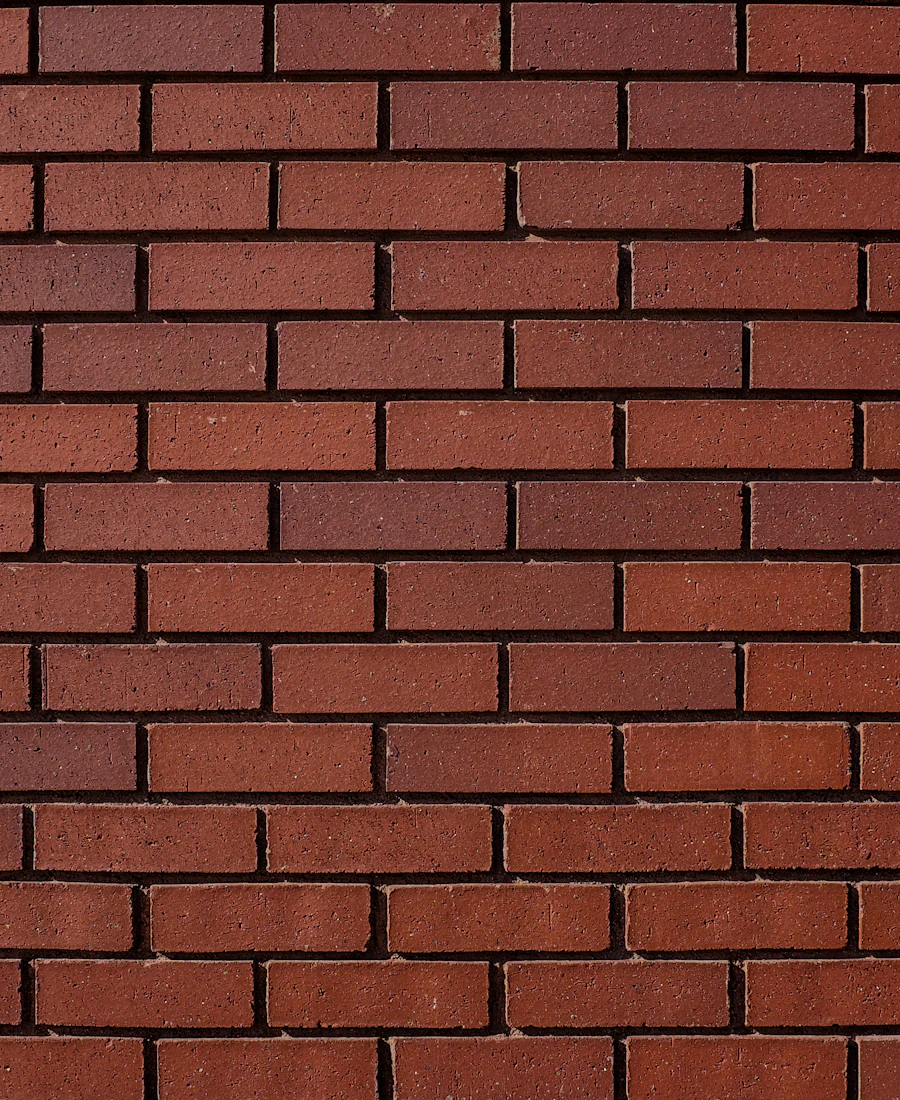
Common and Face Brick
Soft hand-made brick on older row houses and hard machine-made face brick on later apartment buildings. Each needs its own mortar and handling.
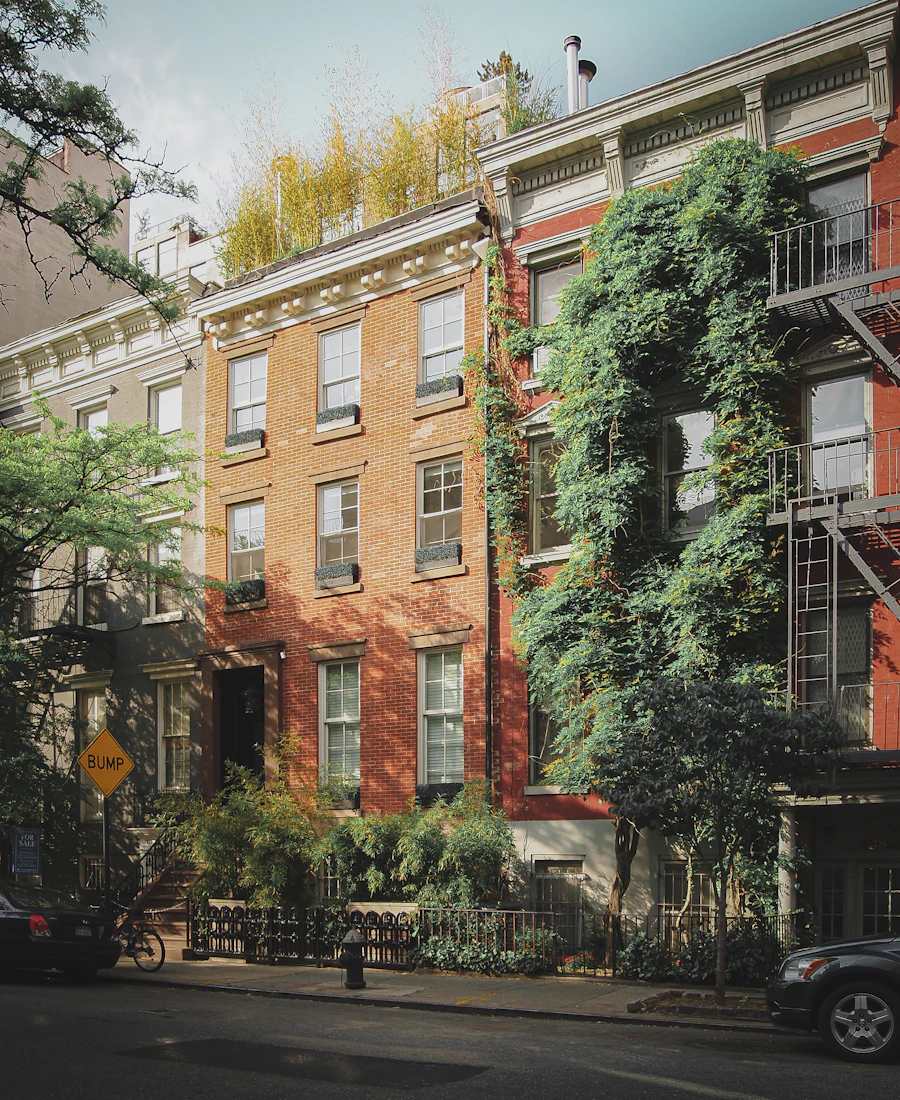
Brownstone Masonry
The soft sandstone that defines blocks from Harlem to the Upper West Side. It is repaired with patching mortars made to match its color and texture.

Stone Sills, Lintels and Copings
Limestone and cast stone trim around windows and at the roof line, often cracked by rusting steel or frost.
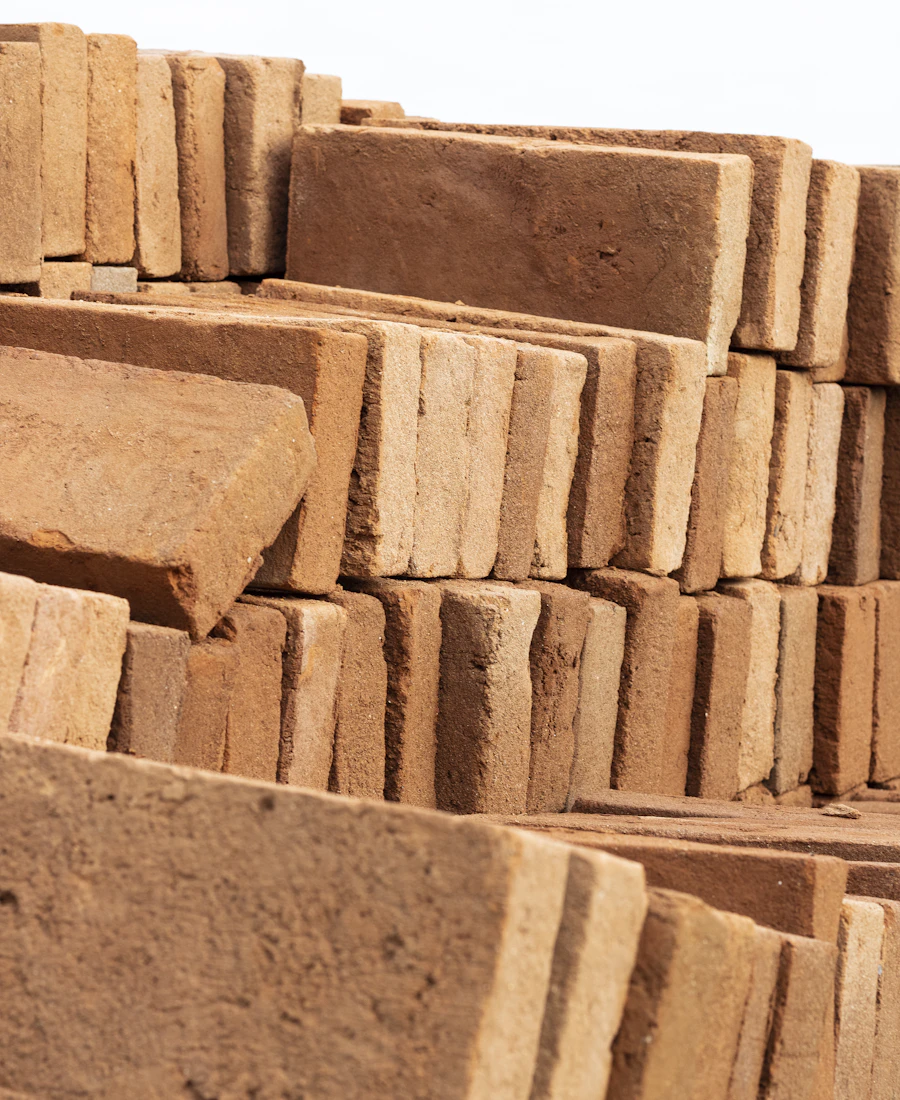
Lime and Cement Mortars
Lime-rich mortar for historic walls and modern cement-lime mortars for newer brick, always softer than the brick around it.
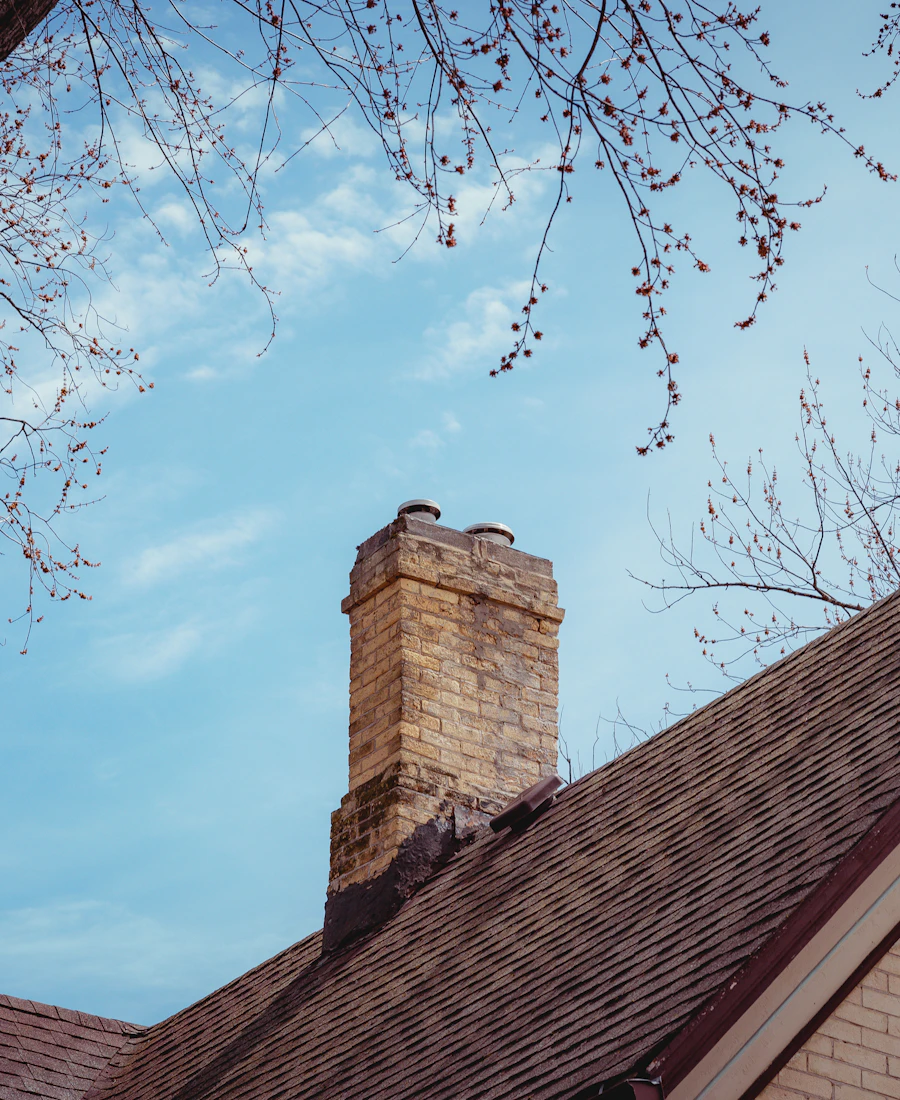
Brick Chimneys and Parapets
The most exposed masonry on any building, built and pointed to stand up to wind, frost and rain.
How Our Masonry Contractor Team Runs a Manhattan Project
Masonry work on a Manhattan building involves more than the wall itself. Here is how our masonry contractor team takes a project from the first call to the final paperwork.

Masonry Site Survey
We inspect the walls up close, photograph conditions and note access limits such as sidewalks, courtyards, roofs and neighboring buildings.
Written Scope and Proposal
You get a scope broken down by elevation and repair type, with materials, access method and schedule spelled out.
DOB, Landmarks and Board Approvals
We line up what the job needs, whether that is DOB permits for sheds and scaffolds, a Landmarks Preservation Commission application or sign-off from your board or managing agent.
Access and Protection
Sheds, pipe scaffolds or swing stages go up, and windows, roofs, stoops and gardens are covered before any masonry work starts.
Masonry Repair Work
Repairs move elevation by elevation with daily cleanup and regular updates to the owner or agent.
Walk-Through and Closeout
We review the finished work with you, remove equipment and hand over photos and documents for your records.
How to Choose a Masonry Contractor in Manhattan
The wrong contractor can leave you with cement mortar that cracks your brick, permits that hold up the job or a scaffold that sits on the sidewalk for months. Before you sign, check these six things.
Licensed and insured
Ask for proof of the city license or registration that fits your job and certificates of insurance that name your building or management company.
A written scope by elevation
A single price for the whole building makes it hard to compare bids or track progress.
Experience with your building type
A brownstone, a pre-war walk-up and a high-rise co-op each call for different methods.
A clear plan for access and permits
The contractor should explain who files for sheds, scaffolds and landmark approvals.
A mortar and material matching approach
Ask how they will match new mortar, brick or brownstone to what is already on the wall.
A realistic schedule and cleanup plan
Daily protection and cleanup matter on busy Manhattan blocks.
Masonry Services Across Manhattan Neighborhoods
We take on masonry repair from the Financial District to Washington Heights, for owners of single townhouses and managers of full-block buildings.
- Upper West Side
- Harlem
- Chelsea
- Midtown
- Financial District
- Washington Heights
Masonry Contractor Manhattan FAQs
Answers for owners, boards and managing agents planning masonry work on a Manhattan building.
What does a masonry contractor do in Manhattan?
A masonry contractor repairs and rebuilds brick, stone and mortar on building walls, parapets, chimneys and stoops. In Manhattan the job also includes planning scaffolds and sheds, protecting neighbors and the sidewalk, and working within DOB and landmark rules.
Is a masonry contractor the same as a mason?
A mason is the tradesperson who does the hands-on work. A masonry contractor is the company that employs masons, carries the insurance, plans the job, handles access and permits and stands behind the finished work.
What should I ask a masonry contractor before hiring them?
Ask for proof of license or registration and insurance, a written scope broken down by elevation, photos of similar Manhattan buildings and an explanation of how they will match mortar and brick. Also ask who handles permits and how long equipment will stay up.
How do I know which masonry repair my building needs?
Start with what you can see, such as open joints, flaking brick, cracks above windows or damp walls inside. A close inspection then confirms the cause, because the same symptom can come from different problems.
Can masonry work be done while tenants live in the building?
Yes. Almost all masonry work in Manhattan happens in occupied buildings. We schedule noisy work for normal hours, protect windows and entrances and keep residents and the managing agent informed.
Will you coordinate with our engineer or architect?
Yes. When a building has an engineer, architect or QEWI involved, we work from their reports and drawings and keep them updated so the repairs match their specifications.
Do you handle both brick and brownstone repairs?
Yes. We repair brick walls, brownstone fronts and the stone trim around them, using patching materials and mortars matched to each one.
Talk to a Masonry Contractor About Your Manhattan Building
Tell us what you are seeing on the walls and we will set up a time to look at it in person and put together a clear written scope.