
Masonry Waterproofing Manhattan That Finds the Leak First
Most brick wall leaks are not solved by spraying a sealer on the outside. Water usually enters at a few specific spots such as failed joints, open copings, cracked sills or missing flashing. We trace the leak path, fix what is actually letting water in and then protect the wall with a breathable water repellent where it helps. Our crews are licensed and insured and work on co-ops, rental buildings and townhouses across Manhattan.
What We Check Before Waterproofing Brick
- Mortar joints and brick faces
- Copings and parapet tops
- Window sealant and sills
- Lintels over openings
- Through-wall flashing and weeps
- Interior stain location and pattern
Signs You Need Leaking Brick Wall Repair in Manhattan
Leaks through masonry usually show up inside first. These are the four signs that most often lead owners to call for leaking brick wall repair in Manhattan.
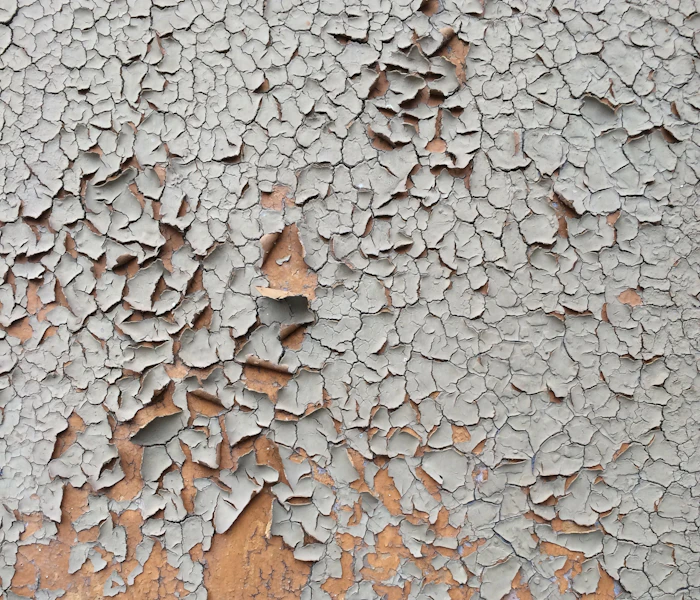
Water Stains Near Windows
Stains that grow after storms.
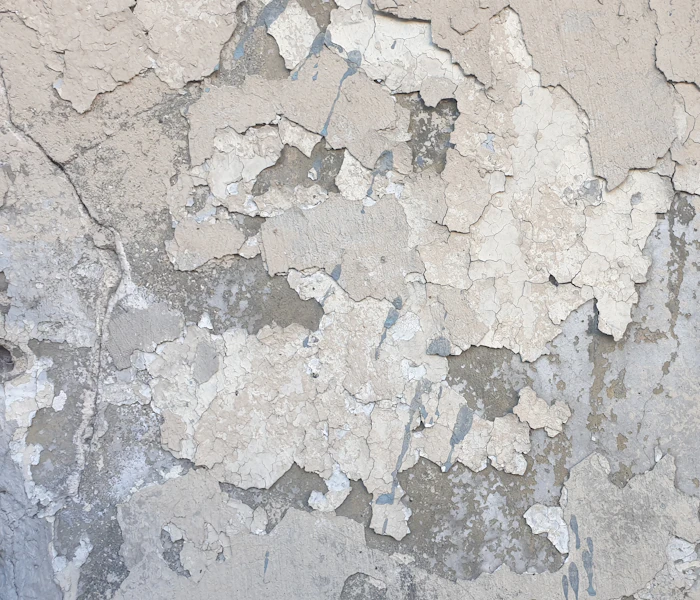
Peeling Paint on Brick Walls Inside
On exterior walls inside the apartment.
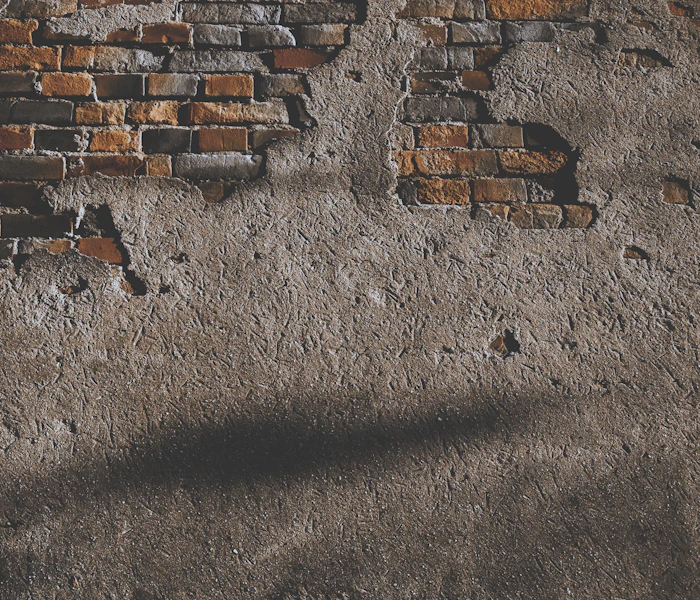
Damp or Crumbling Plaster
At the top of walls under the roof.
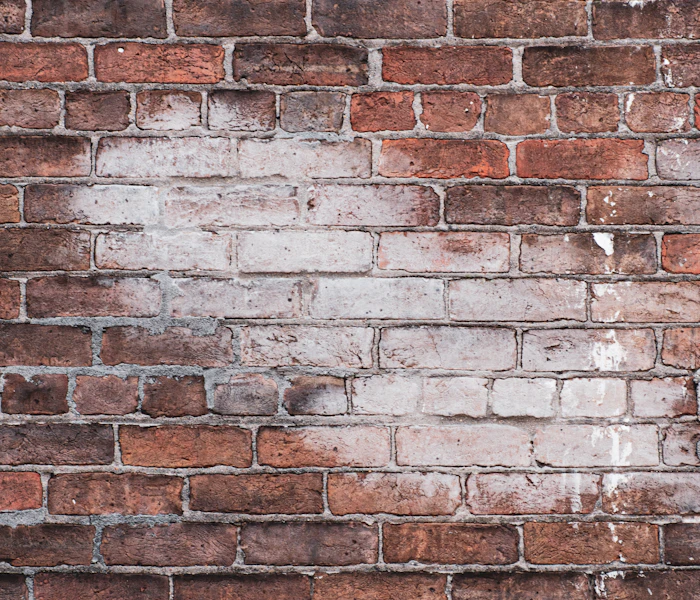
White Salts on the Brick
On the inside or outside face of the brick.
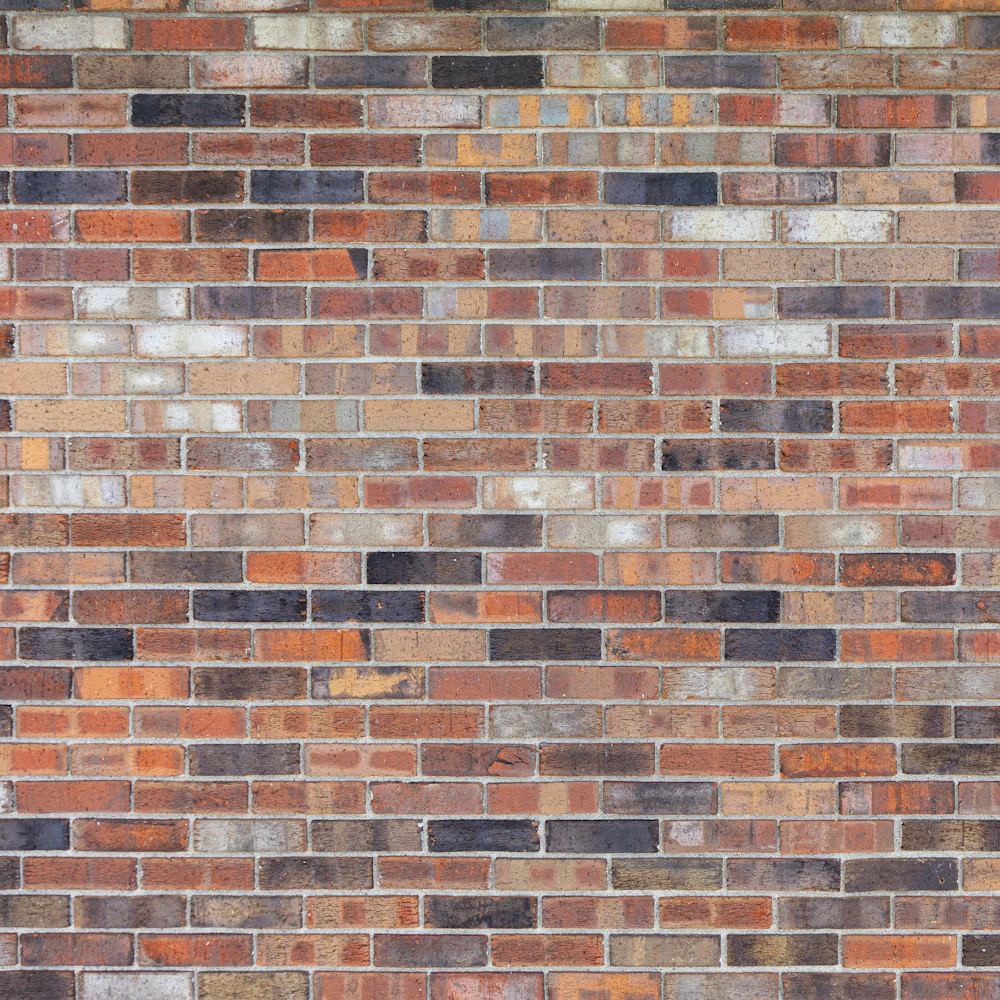
Where Water Gets Into Masonry Walls and How Waterproofing Stops It
Six entry points account for almost every leak we trace, and masonry waterproofing in Manhattan works only when each one is sealed.
Open Mortar Joints
Cracked or recessed joints are the largest single source of water entry in older brick.
Copings and Parapets
Water entering at the top of the wall travels down inside it, often several floors.
Window Perimeters
Dried-out sealant between the frame and the masonry lets wind-driven rain in.
Sills and Lintels
Cracked stone sills and rusted steel heads open a direct path into the wall.
Missing or Failed Flashing
Without through-wall flashing and weep holes, water that gets in has no way out.
Cracked or Porous Brick
Spalled faces and soft brick absorb water like a sponge.
Our Masonry Waterproofing Manhattan Process
Our masonry waterproofing process in Manhattan always diagnoses first, then fixes the entry point. A water repellent sealer goes on only after the wall is sound.
Inspect the Masonry
We compare the inside stain with the outside wall, check the roof edge, joints, sills and sealant above it and photograph every suspect area.
Water Test the Wall
When the source is not obvious, we run a controlled water test, wetting one area at a time from the bottom up until the leak appears inside.
Repair and Waterproof the Wall
We fix the entry point first. That may mean repointing with our brick repointing Manhattan crews, resetting copings through parapet wall repair Manhattan, renewing sealant or installing new flashing. A repellent is applied only after the wall is sound.
Water Repellent Sealer for Brick vs Surface Coatings
A good water repellent sealer for brick keeps rain out but lets water vapor escape. Coatings that trap moisture inside the wall can make spalling worse, which is why brick waterproofing in NYC calls for breathable products.
| Feature | Breathable Penetrating Repellent | Film-Forming Coating |
|---|---|---|
| How it works | Soaks into the brick and lines the pores | Sits on the surface as a film |
| Lets the wall breathe | Yes | Often no |
| Changes the look | Little to no change in color or sheen | Can darken, shine or peel |
| Risk of trapped moisture | Low | Higher, especially in freeze and thaw |
| Common chemistry | Silane and siloxane blends | Acrylic and other film formers |
We use breathable silane and siloxane repellents chosen for the specific brick or stone on your building.
Efflorescence and Freeze Damage on Brick Walls
Two warning signs that point to water moving through the wall and a need for masonry waterproofing.
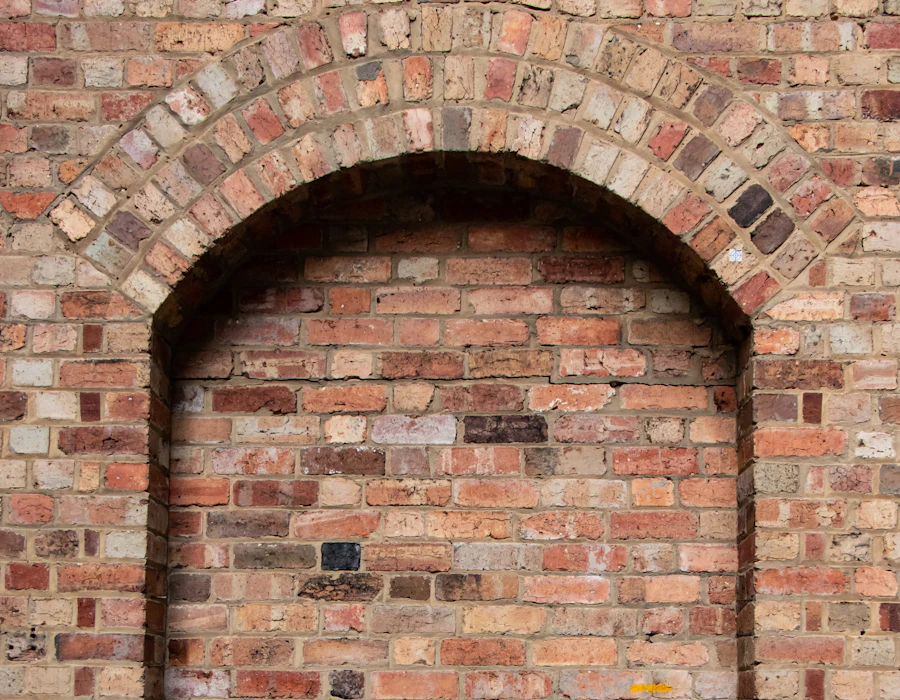
Efflorescence on Brick
The white powder on brick is salt left behind as water moves through the wall and evaporates. It is a sign of a moisture path, not a cleaning problem. Stop the water and the salts stop coming back. If staining remains after the leak is fixed, our brick restoration Manhattan team can clean it safely.
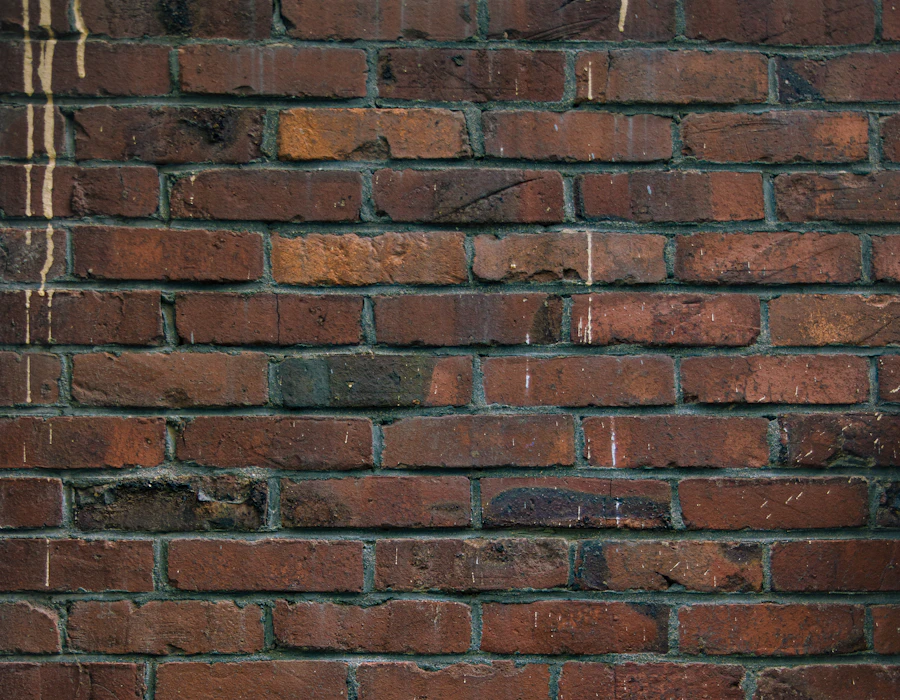
Freeze Damage in Wet Brick
Water trapped inside brick expands when it freezes and pops off the face of the unit. Every winter that passes with an open leak path adds more spalled brick to the repair list.
Masonry Waterproofing Manhattan FAQs
Plain answers about brick sealers, water tests and what masonry waterproofing in Manhattan covers.
Will a water repellent change how my brick looks?
A quality breathable repellent leaves little to no change in color or sheen. We always test a small area first so you can see the result before the full wall is treated.
How long does a brick water repellent last?
Most penetrating repellents protect for several years, depending on exposure, brick type and how much sun and rain the wall gets. South and west faces usually need reapplication sooner.
Should repellent go on before or after repointing?
After. New mortar needs to cure first, and the wall must be dry and sound before a repellent can soak in properly.
Can painted brick be waterproofed?
A repellent cannot soak through paint. Painted masonry relies on sound joints, good sealant and a breathable masonry paint, so we focus on those repairs instead.
Is basement waterproofing part of this service?
This page covers above-grade exterior walls. Below-grade foundation leaks need a different approach and are quoted separately.
What is a water test and does it damage anything?
A water test wets one small section of wall at a time to find exactly where a leak starts. It uses ordinary water at low pressure and does not harm sound masonry.
Get a Brick Waterproofing NYC Estimate for Your Building
Tell us where the stain shows up inside and we will trace it back to the source and price the right repair.
Related Masonry Services in Manhattan
The Manhattan masonry repairs that most often stop a leak for good.